Have you ever thought about changing from a dull, fixed schedule to something more flexible that could really improve your life? Gig economy platforms let you choose jobs that match your skills so you can leave the old routine behind. In the United States, these online job spots have grown a lot over the past few decades. More people are trying them out to work on their own terms. In this guide, I'll show you how these platforms can help you create a career that fits your personal lifestyle.
Understanding Gig Economy Platforms
Gig economy platforms help connect people who work on their own terms with clients who need tasks done quickly. Think of them as online job hubs where workers can pick up gigs ranging from digital tasks to ridesharing. Back in 2018, the US gig market hit a whopping $204 billion in transactions, and experts expect it to soar to $455 billion by 2023. It’s pretty amazing how these platforms let folks dodge the typical 9-to-5 grind and choose schedules that fit their lives. In fact, over 36% of the US workforce now uses these platforms. That says a lot about how big and influential they’ve become.
Digital names like Upwork, Uber, and Amazon show just how varied gig work can be. They give freelancers the chance to pick projects that suit their skills, while companies get quick access to talented workers when they need them. This kind of flexibility lets businesses easily tweak the size of their teams based on what they’re working on. Ever thought about setting your own hours while working from your favorite cozy spot at home? That's the magic of gig platforms, technology brings the right opportunities to you, aligning with your lifestyle and career goals.
gig economy platforms: Empowering Your Freelance Future

Freelancers have lots of choices when it comes to picking a gig economy site. These online marketplaces serve up jobs that range from creative art projects to everyday errands. Each site has its own special feel to help you match your talents with the right work. In this guide, we shine a light on a few top platforms that make freelancing feel simple and help you grow.
| Platform | Service Focus | Unique Feature |
|---|---|---|
| Upwork | Web projects and digital marketing | Easy-to-use setup for pros |
| Fiverr | Graphic design, writing, video work | Budget-friendly gigs for creatives |
| PeoplePerHour | Wide range of professional services | Smart, AI-driven talent matching (using technology to match skills) |
| Freelancer | Various projects across many fields | A huge network with over a million users |
| Toptal | Programming, project management, finance | Strict screening for top-notch talent |
| Uber | Ridesharing and transport | Flexible hours with unique route options |
| Lyft | On-demand ridesharing | A trusted pick over taxis |
| Uber Eats | Meal delivery | Quick delivery by independent drivers |
| Airbnb | Lodging and travel stays | A marketplace linking hosts with travelers from around the globe |
| TaskRabbit | Local home services and errands | Fast access to trusted local helpers |
Each platform gives you a unique way to earn on your own schedule. Whether you're an experienced freelancer or taking your first steps, these sites offer flexible hours and smart ways to earn money. By checking out what each one focuses on and its special perks, you can pick the best match for your career journey. So why not take the leap now and start building a fulfilling freelance future?
Key Advantages of Gig Economy Platforms
Gig work gives you real flexibility. You can choose when and where you work, so you get to set up a schedule that truly fits into your life. Imagine starting your day at a cozy coffee shop and then wrapping things up at home without the stress of a daily commute. This easy switch-up leaves you more time for family, hobbies, or even another gig to add to your income.
It also opens up a world of learning and connection. Working on different projects lets you pick up in-demand skills and build confidence. Think of a designer who starts with digital art, then tries their hand at website projects, gradually expanding their skill set. Plus, every new project can lead you to meet folks from all over the world and spark future gigs or collaborations. Isn't it neat how each task not only boosts your portfolio but also helps you grow professionally?
Challenges Faced on Gig Economy Platforms

Gig work offers creative freedom, but it also brings some real challenges. Imagine the ups and downs of not having a steady paycheck and missing out on things like health insurance, paid leave, or a retirement plan. It’s like being a graphic designer who loves setting their own hours but then has to deal with surprise medical bills or figure out how to save for a house.
Income can be really unpredictable. One month you might get a good paycheck, and the next, nothing much. It can feel like waiting for a bus when it’s pouring rain, you just don’t know when it’ll come or if it’ll be on time.
Another twist is that gig work turns you into your own accountant. Instead of having taxes taken care of for you, you end up tracking every bit of your earnings and saving away for tax bills. Many freelancers have to juggle extra work, like setting up a retirement fund or sorting out health insurance. Just think about a freelance writer who handles several projects at once; some days, their income is great, and other times it dips. This constant roller coaster means that keeping an eye on cash flow is a must, adding another layer to the creative workload.
Selecting the Right Gig Economy Platform for Your Skills
When you pick a gig platform, it’s all about finding one that really fits how you work. You want a place where the fees don’t eat too much into your pay, the design is easy to use, and the payment terms help you keep the cash flowing. Imagine having a dashboard that shows your earnings and ratings in one quick look. It makes tracking your progress simple and clear.
High client numbers might mean more work, but they can also mean tougher competition. That’s why your reputation and ratings matter a lot in getting noticed. And if you have international clients, a platform that handles global payments and payroll can really save you extra hassle.
- Fee models, whether they take a small cut or charge a subscription fee, can change your net earnings.
- An easy-to-use interface and a reliable mobile app help you manage gigs wherever you are.
- The number of clients and how fierce the competition is can affect how many gigs you snag.
- Building up good ratings and a solid reputation can really boost your profile.
- Payment plans, whether they’re fixed or based on milestones, are key for steady cash flow.
- Global payment and payroll options make life a lot easier when you’re working across borders.
Evolving Trends in Gig Economy Platforms

The world of gig work is changing pretty fast. These days, companies are mixing regular full-time employees with gig professionals to handle sudden changes. COVID-19 made a lot of businesses try remote work, and it really stuck. Many firms found that having a flexible team helps them deal quickly when demand spikes. Picture an office where your core team handles daily tasks and freelancers step in for special projects. This mix helps companies grow quickly while keeping quality high. Even fields like healthcare, legal work, and specialized consulting rely more on gig workers to get essential skills.
Data also paints an interesting picture. About 15% of gig workers are Gen Z, 45% are Millennials, 27% come from Gen X, and 9% are Baby Boomers. This variety shows why so many people like the idea of flexible, remote work. More professionals are choosing these roles, and along with this trend comes a push for fair rules that protect workers while letting companies innovate. One writer once said, "Imagine a world where regulation supports the freedom of flexible work while ensuring everyone gets a fair deal." It’s a fascinating time, and these trends pave the way for a future where digital freelancing keeps growing and adapting to new challenges.
Real-World Gig Economy Platform Case Studies
Businesses are saving a lot of money by using gig platforms instead of hiring full-time employees. Case studies show these new ways of working really pay off. For example, PeoplePerHour uses smart AI to pair up projects with the right people, boosting their project fill rates by 30 percent in no time. This lets companies finish jobs faster while keeping costs low. Then there's Appen. They've joined forces with big names like Microsoft, AWS, and Google Cloud to get and check training data for AI (basically, teaching computers to learn). This mix not only cuts costs but also brings in top-quality results, much like having a flexible team that grows and shrinks as needed without exploding your budget.
Crowdspring takes a creative approach by letting designers place bids in an auction. This means businesses get a range of design ideas within just 48 hours without signing up for long-term contracts. It’s a great way to see different options and get high-quality work on schedule. These examples show how modern work platforms are changing the way companies tackle projects, blending cost savings with creative talent in a really refreshing way.
Essential Resources and Tools for Gig Economy Platforms
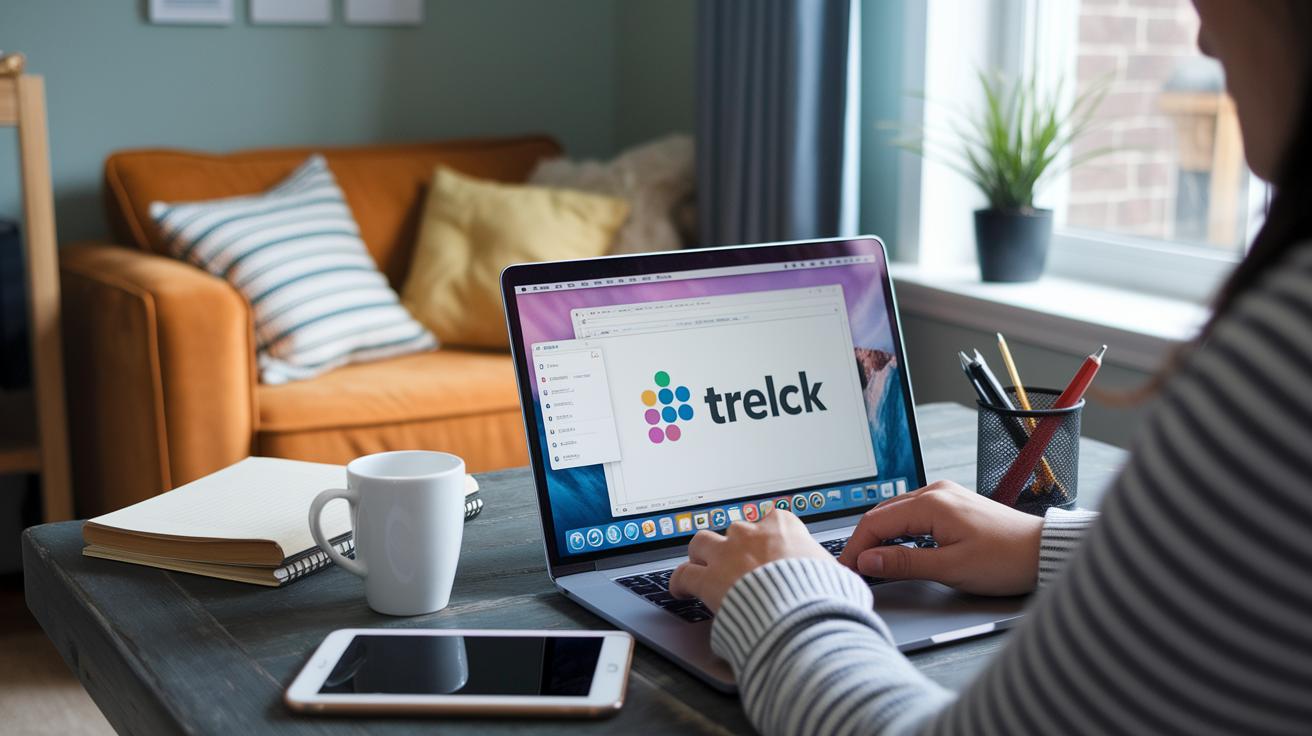
Working remotely can be a lot smoother when you have the right digital tools in your corner. Think about using Slack for quick chats with your team, Trello to keep your tasks tidy, and Zoom when you need to catch up for project updates, all from your trusty laptop or phone. These apps really help you stay connected and keep everything on track, so you aren’t stuck switching between a million different programs.
Managing your money and time is just as important. Time-tracking and invoicing apps like QuickBooks and Harvest make it simple to track billable hours and keep your finances in check. Plus, mobile job marketplaces let you hunt for new gigs while you’re out and about. And hey, if you need a nudge about fresh opportunities, there are side hustle apps and websites that send quick notifications and offer handy tips to boost your productivity. By weaving these tools into your daily routine, you can handle client work more easily, get more done, and keep your freelance world running smoothly.
Final Words
In the action, we broke down what gig economy platforms mean, how they work, and their strengths and challenges. We took a closer look at the best ways to pick the right platform for your skills and even shared real stories. Each step is meant to help you manage credit, plan holiday spending smartly, and understand market trends. Keep exploring these ideas, and remember that every small step guides you toward better financial stability. Stay positive and keep moving forward with gig economy platforms.
FAQ
What is a gig economy platform?
A gig economy platform is a digital marketplace connecting freelancers with short-term, contract-based work. It allows independent workers to pick up tasks or projects without long-term employment commitments.
What are some examples of gig economy platforms?
Some common gig economy platforms include Upwork, Fiverr, TaskRabbit, PeoplePerHour, Toptal, and even Craigslist, each offering various freelance work opportunities across digital and local services.
What are the best gig economy platforms?
The best gig economy platforms depend on your skills. Many users favor Upwork and Fiverr for creative or digital projects, while Toptal offers top-tier, high-paying opportunities for highly skilled professionals.
Are there any free gig economy platforms?
Free gig economy platforms typically require no upfront fee to join, although some may take a commission from completed work. Craigslist often hosts gig listings, and several freelance sites offer free registration.
Which gig economy app offers the highest earnings?
Highest earnings through gig apps largely depend on expertise and market demand. Advanced freelancers may earn more on platforms like Upwork or Toptal, where clients are willing to pay premium rates for quality work.
What is Upwork Inc.?
Upwork Inc. is a leading digital marketplace that connects freelancers with clients seeking web development, design, and digital marketing services, offering a user-friendly platform to manage projects and payments.
What is Fiverr?
Fiverr is a popular freelance platform where users offer services starting at five dollars. It caters to creative and digital tasks such as writing, graphic design, and video editing, making it accessible for many freelancers.
What is TaskRabbit?
TaskRabbit is a gig economy app that matches local taskers with individuals needing help for errands, home services, or small jobs, offering flexible opportunities for those who prefer in-person work.
What is PeoplePerHour?
PeoplePerHour is a digital marketplace that uses AI matching to connect professionals with freelance projects. It is ideal for small businesses and independent workers seeking flexible project-based assignments.
What is Toptal?
Toptal is a selective platform that connects top freelancers with clients seeking high-quality work. Its rigorous screening process ensures that only top-tier talent is available for premium projects.
How does Craigslist work within the gig economy?
Craigslist serves as a free classifieds site where people can post or find short-term gigs. While not designed specifically for freelancing, many users still find local, informal opportunities there.

