Have you ever looked at your credit card bill and thought it could be more than just a bunch of numbers? Most people see it as a snooze-fest, but it actually tells a clear story about your money habits. It shows every swipe, purchase, and payment, giving you a quick view of your spending.
Sometimes, you might even notice a charge that seems out of place. This guide helps you break down your statement and understand how it works so you can keep better track of your budget.
credit card statement Overview: Definition and Purpose
A credit card statement is kind of like a snapshot of everything that happened on your card during one billing cycle. Most small businesses, about 80%, depend on these monthly records to keep track of every swipe, charge, and payment, much like how a bank statement works by listing every transaction in a neat order.
This statement lets you quickly see what you've spent and check every charge. For example, you might notice a $450 charge that you want to take a closer look at to make sure it’s right.
Card companies send out these statements so you can see a clear picture of your money moves. They show important details like the balance at the start, new purchases, any credits you received, and the final balance. You’ll also find the due date for payment and the minimum amount you need to pay, usually about 5% of your total balance. By giving these figures a quick look, you can manage your monthly costs, avoid high interest rates (around 20% on average), and plan your budget better. In short, a credit card statement isn’t just a list of what you owe; it’s a very useful tool for keeping your spending in check and helping you plan your money wisely.
credit card statement Account Summary and Payment Details
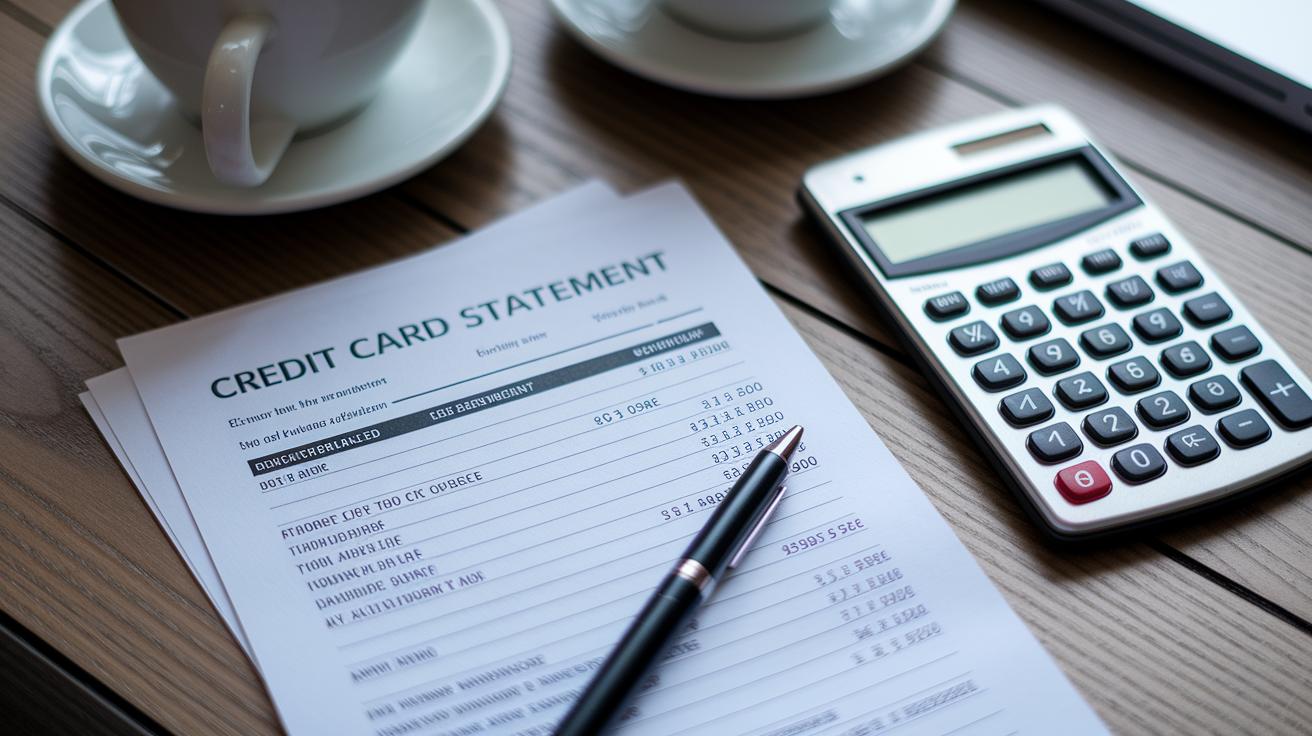
Your statement is split into two simple parts. First, there’s an account summary that shows what happened during your billing cycle. Then, you get a section that lays out when payments are due and how much you owe. This setup helps you clear up any confusion by separating summary numbers from the payment details.
- Beginning balance: This is the amount carried over from your last cycle. For example, if you owed $300 at the start, that’s your beginning balance.
- Payments posted: These are the funds you paid during the cycle, like paying $150 on a particular day.
- New purchases: These are charges made since your last statement, such as spending $50 on groceries.
- Applied credits: These are adjustments or refunds that lower your balance, like a $20 refund.
- Ending balance: This is the amount you owe when the statement closes after all changes are taken into account.
To figure out the total due, you add your new purchases, any carried-over amounts, interest (this is the fee for borrowing money), and fees. The minimum payment is usually about 5% of this total, which means if your total due is $500, you might only pay around $25 at first. However, paying just the minimum means the remaining balance will still earn interest. The statement also shows key dates so you know when the billing cycle starts and when your payment should arrive, giving you a chance to pay early and avoid any delays.
credit card statement Transaction History and Charge Verification
Looking at your credit card statement is kind of like checking items off a shopping list. Each purchase is listed one by one so you can see that every charge is just right. It shows everything, from brand new purchases to items that are still pending. Imagine comparing your receipts with each line. You know that feeling when you double-check to make sure nothing is missing or extra? If you come across a strange $450 charge you don't recognize, that's your cue to take a closer look.
- Compare your receipts: make sure every charge matches the receipt from the store or website.
- Check the merchant names: see if the vendor is one you actually shopped with.
- Watch pending transactions: spot charges that haven’t fully gone through yet.
- Look at the dates: confirm the dates match when you made the purchase.
- Confirm the amounts: check that the totals line up with what you expected.
- Flag unknown charges: mark any unfamiliar charges right away for review.
If something seems off, don’t wait. Get in touch with your credit card company to dispute any errors or charges you didn’t approve. By regularly checking your transaction history, you can catch mistakes early and keep your money safe. It’s a smart way to make sure your spending records stay accurate and trustworthy.
credit card statement Fees and Interest Breakdown
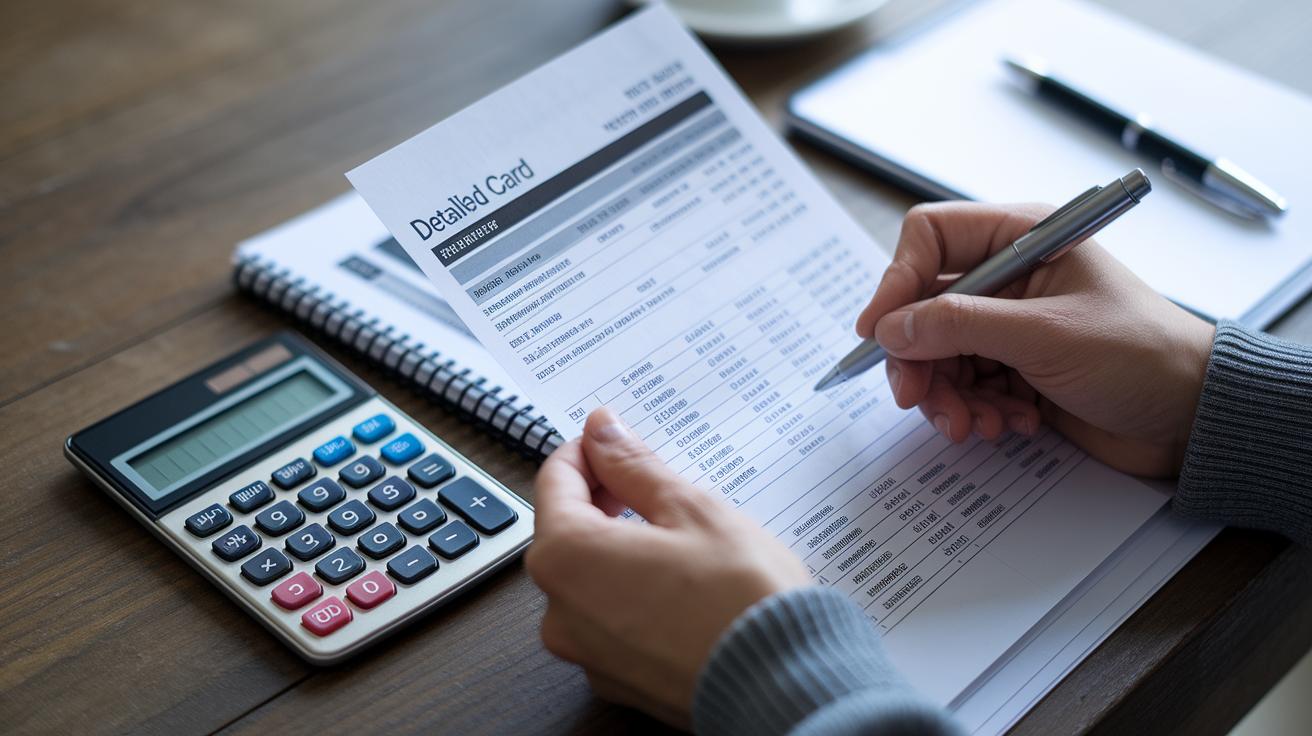
Your credit card statement breaks down different fees and costs so you can see how borrowing adds up. It lists finance fees like those for late payments, cash advances, and even annual fees that occur once a year. The table below offers simple details on common fee types, typical amounts, and when each fee kicks in. This makes it easier to check the interest you’ve built up and see any extra charges along with your purchase APR.
| Fee Type | Typical Rate/Amount | When Applied |
|---|---|---|
| Late Payment Fee | $25-$40 | After the due date |
| Cash Advance Fee | 3-5% or flat fee | Right when you withdraw cash |
| Annual Fee | $50-$150 | Once each year |
| Purchase APR | About 20% | On carried balances |
Some cards even have balance transfers at 0% APR. This can be a smart move if you want to avoid extra interest by shifting your balance. It’s worth checking out these options to lower your total borrowing costs. Keep an eye out for offers that suit your needs, like the ones you find on sites with deals for 0 interest on balance transfers.
credit card statement Rewards and Incentives Explained
Credit card companies often give out rewards like points, cash back, or miles. Your statement shows you how many points you have or how much cash back has been added to your account. For instance, if you spend money at restaurants or on groceries, you might see your points slowly add up, which you can later trade in for gift cards or discounts. Some cards focus mainly on cash back, so you see a clear bonus in money.
Bonus credits also come into play when you use certain services or shop in special categories. During promotion times, these extra rewards can boost your regular points with additional credits. It’s a neat way to get more value from your everyday spending without doing anything extra.
- Check your point balance often to keep track.
- Pick your reward, whether it’s cash back, a gift card, or travel rewards.
- Follow the steps on your statement to claim what you earned.
- Watch out for bonus expiration dates so you don’t miss out.
credit card statement Important Dates: Billing Cycle, Statement and Due Dates

Your credit card statement comes with a few important dates that act like road signs for your spending and payments. These dates tell you when your billing cycle begins and ends, when your payment needs to be in, and even include a little extra time to help you dodge extra fees. Knowing all of this can really smooth out your money planning.
Statement Date
The statement date is the day your billing cycle starts. It’s when your current balance gets locked in as a snapshot, showing every transaction made up to that moment. Think of it as a picture of what you owe right then. For instance, if your statement comes on the 5th, it means everything you spent from that day until the cycle ends is recorded.
Payment Due Date
The payment due date is the deadline for sending in either your full balance or at least the minimum payment. This is the day the bank has to receive your payment. Paying a bit early is a smart move since it gives you extra time for any processing delays. It really is a good reminder to plan ahead and steer clear of any late fees.
Grace Period
After the due date, many credit cards offer a short grace period. This means you might have a few extra days before any late fees or extra interest kick in. It’s like a little safety net if your payment is a day or two behind.
Using these dates when you plan your budget can help you keep track of your spending and payments so that your cash flow stays steady and you avoid any unwanted charges.
credit card statement Spotting Errors and Preventing Fraud
Have you ever taken a moment to check your credit card transactions? It might seem small, but a quick look can stop errors before they snowball into bigger issues.
Here are a few things to watch for:
- Charges from a store or business you don’t remember, like a surprise "Local Mart, TX."
- The same purchase showing up twice, as if you're being billed twice for one item.
- Dates on transactions that don’t match up with when you were actually using your card.
- Extra fees that just don’t fit with any purchase you made.
- Cash withdrawals that you never did.
If something doesn’t feel right, take a minute to review your receipts and records. You might also want to set up alerts on your account or use tools to help keep an eye on things.
credit card statement Digital Management and Paperless Billing

These days, many credit card companies let you go paperless, which makes keeping track of your monthly spending much simpler. Instead of wading through stacks of paper, you can opt to have your bills emailed directly to you. You can even download your invoices in a PDF whenever you need them. It’s a neat, modern way to save time and help the planet.
For anyone who likes handling their money online, there are secure websites and mobile apps at your service. You can easily check your account details on your computer or phone. Plus, the apps send you instant alerts about new statements so you never miss a beat. With digital bill management, you have the power to review your transactions in real time.
- PDF downloads
- Email alerts
- App notifications
- Secure login options
- Archive access
credit card statement Reconciliation and Best Practices
Reconciling your credit card statement is a simple way to keep your spending in check and get ready for tax time. When you match the charges on your statement with your records or budget software, you can quickly spot any mistakes and make sure every expense is what you expect. This makes it easier to see where your money goes and helps you avoid overspending.
One handy tip: jot down any extra transactions as soon as you notice them. Also, try updating your records regularly so those little repeated charges don't slip by unnoticed.
For expense reporting, it works best to group your spending into everyday categories like food, bills, and entertainment. Then, compare these totals with previous months to see if any spending habits are changing. This way, you can adjust your budget if something seems off.
By taking these steps, you can easily keep an eye on your expenses and make smarter decisions about your money. Isn't it neat how a few small actions can help you feel more in control?
Who is the ABC Platform for?

The ABC Platform is great for small and medium businesses and agencies that know a bit about tech and automation but just don’t have the time to set everything up on their own. Agencies, in particular, get a huge return on their investment because the platform handles client and multi-site management with ease.
What is the ABC Platform?
It’s a subscription service that gives you two powerful tools. One lets you look at your data visually, and the other automates your routine tasks. Plus, you get access to Scale By Tech’s special automation vault filled with ready-to-use automations (these are pre-built workflows designed for smooth performance).
Why should you care?
Having both a visual database and an automation engine, along with pre-built automations, means you can start working quickly without a lot of hassle. Instead of juggling separate tools, everything is bundled into one neat package. That’s why our motto is, Deploy & Enjoy.
Tiger Spirit Animal
In the world of spirit animals, the tiger is all about raw feelings and strong emotions. It stands for our basic instincts, that unpredictable side of life, and the trust we need to have in ourselves. When you feel a connection with the tiger, you might notice you handle life's twists and turns more spontaneously. Have you ever smiled at a sudden burst of courage?
The tiger often represents personal strength, inner willpower, and even those hidden parts of yourself that you usually keep under wraps. It might also point to moments of anger or unpredictable feelings. Keep an eye on how you react when the tiger shows up, it might be giving you clues about what you need to understand in your own life.
Elephant Symbolism & Spiritual Meaning
Around the world, elephants are seen as symbols of power, wisdom, and inspiration. Their legendary strength and gentle nature have made them icons in both history and mythology. If you’re looking to take control of your life, the elephant might just be the spirit guide you need.
Generally, elephants represent:
Sometimes, life feels like a crazy circus, wild yet full of wonder. Elephants remind us that we’re strong, that we have protection, and that even in tough times, we can rely on our inner power. When you meditate on what an elephant stands for, you might find that your own strength and abilities begin to shine through. If you’re feeling a bit powerless, try listening to your inner voice or reaching out for a little help. Remember, true power comes from within, and the elephant is here to guide you on that journey.
Final Words
In the action, this article explained the ins and outs of a credit card statement, showing how to read account summaries, verify transactions, manage fees, and enjoy rewards. It also covered key dates and digital tools to keep your finances organized and secure. By watching for errors and reconciling your records, you can safeguard your budget and avoid credit pitfalls. Enjoy these smart practices as you steer your finances toward a brighter, more secure future.
FAQ
What is a credit card statement?
The credit card statement is a document that shows all your recent transactions, fees, and payments. It helps you track your spending and manage your monthly finances at a glance.
What is meant by a credit card statement balance?
The credit card statement balance is the total amount you owe for the period. It includes recent charges, fees, and any interest accrued, giving you a clear view of your outstanding debt.
Where can I find a credit card statement template or free credit card statement?
The credit card statement template or a free version is available online. It serves as a sample layout for tracking charges, payments, and essential details similar to your actual statement.
How do I access credit card statements online or as a PDF?
The credit card statement online or PDF option gives you quick access to your account details. Log in through your issuer’s secure portal or mobile app to view, download, and print your statement.
How do I log in to view my credit card statement?
The credit card statement login means using your secure account credentials on your issuer’s website or app. This way, you can safely check all your recent transactions anytime.
How does a credit card statement differ from a bank statement?
The credit card statement differs from a bank statement because it only shows credit transactions, like purchases and payments. A bank statement covers a wider range of transactions, including deposits and withdrawals.
How can I get my Chase credit card statement?
The credit card statement from Chase is available through their online portal or mobile app. Log into your account to view both the current statement and past records securely.
How can I obtain a copy of my credit card statement?
The credit card statement copy is easy to get by logging in to your account or contacting customer support. You can choose to view it digitally or receive a mailed version.

