Have you ever wondered if battery tech stocks might be the key to future wealth? Electric cars are more popular these days, and our need for energy keeps growing. This has put battery production right in the spotlight. Lithium-ion batteries (rechargeable batteries) have seen a big increase over the years, and more investors are taking notice. In this post, we chat about the trends we're seeing and why everyone is excited about these stocks. Stick with us to see how these shifts could affect your next investment.
Battery Tech Stocks: Essential Insights for Investors
Global demand for lithium-ion batteries has really taken off, growing from just 0.5 GWh in 2010 to around 526 GWh in 2020. Electric vehicles are popping up everywhere, which means more battery sales and fresh ideas in the market. Investors find this mega-scale production and rapid market growth pretty appealing. This strong rise is powered by more electric cars, energy storage needs for both homes and businesses, and some cool new battery materials.
- Electric vehicle adoption
- Energy storage for utilities and homes
- Improvements in solid-state battery materials
Big players in the industry are making major moves. For instance, Contemporary Amperex Technology Ltd. (CATL) snagged a 37% share of the electric vehicle battery market in the first half of 2024, supplying batteries to some of the world’s biggest car makers. This huge slice of the market shows just how rooted these companies are in the supply chain. But it also hints that things can get a bit bumpy here. While the fast-growing market brings great opportunities, stock prices might swing a lot if production goals change, new tech pops up, or the economy shifts. This natural up-and-down action can be both a chance to earn and a challenge to manage. In truth, these companies not only fuel the battery tech boom but also mirror the bigger picture of clean energy as it keeps up with worldwide tech changes.
Market Trends Shaping Battery Tech Stocks
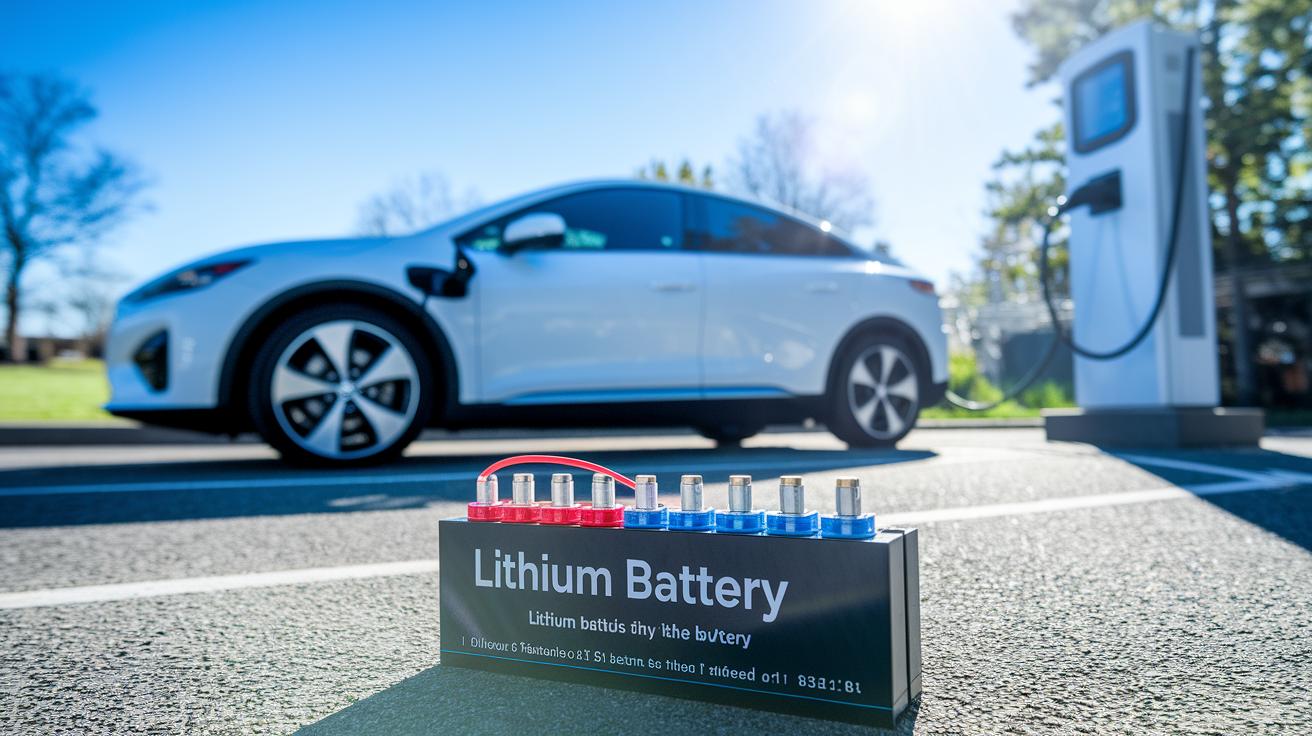
Lithium prices have been bouncing around a lot lately because electric car demand is off the charts. These ups and downs are basically the market reacting to global supply issues and new, emerging tech. At the same time, the cost to store one kilowatt-hour (that’s a unit for energy) has been dropping. This makes building batteries cheaper overall.
- Fluctuating lithium prices
- Lower costs thanks to bigger production scales
- Trade shows where next-gen materials shine
- More grid-scale storage installations
All these trends really shape how battery tech stocks are valued. With cheaper lithium and big production runs, companies can make batteries at lower costs and boost profit margins. Trade shows often bring fresh ideas and materials that promise even more savings, which definitely grabs investor attention. Plus, the growing focus on grid storage shows that reliable backup energy is more important than ever as renewable energy takes off. Together, these market moves point to exciting growth opportunities and help investors gauge the future of battery tech stocks in a fast-changing market.
Leading Public Companies in Battery Technology Stocks
Investors typically check out companies with a big bite of the market, solid technical know-how, and clear plans for production. They focus on firms that shine now and are dreaming big about tomorrow.
Toyota Battery (formerly JV with Panasonic)
Toyota Battery came about after Toyota took over its joint venture with Panasonic in early 2024. They are aiming high, planning to roll out 1 million electric vehicles by 2030. Plus, they’re set to start making solid-state batteries (a new kind that charges faster and goes farther) by 2026. Fun fact: Before they became battery tech stars, they switched up their strategy to focus on these next-gen batteries.
BYD
BYD is known for mixing electric vehicles with battery production seamlessly. Their in-house approach helps them stay ahead of the pack. Even when Berkshire Hathaway trimmed its stake in late 2022 and early 2023, BYD kept growing strong.
Albemarle
Albemarle focuses on boosting lithium production, which is key for making batteries. Their main plan is to ramp up lithium output to meet the rising global demand for better energy storage.
Panasonic
Panasonic has grown its presence by expanding production in North America. Their Nevada facility, right near a major EV manufacturer’s Gigafactory, along with a new plant set to open in Kansas by 2025, shows they are serious about upping their capacity and pushing battery tech forward.
CATL
CATL leads the scene with a 37% market share in the first half of 2024. Their batteries power top carmakers like Tesla, BMW, Toyota, and Honda, which keeps them at the forefront of the electric vehicle parts market.
| Company | Key Metric (share, capacity, timeline) | Target |
|---|---|---|
| Toyota Battery | EV production goals, solid-state timeline | 1 million EVs by 2030; solid-state launch in 2026 |
| BYD | Integrated model, investor stake history | Steady growth despite shifting investments |
| Albemarle | Lithium production capacity | Boosted lithium output |
| Panasonic | Facility expansion, plant timeline | New Kansas plant operational by 2025 |
| CATL | Global market share | 37% share in H1 2024 with leading OEM partnerships |
Performance and Valuation Analysis of Top Battery Tech Stocks

Recent trends show that battery tech stocks are grabbing investors' attention, especially when you look at revenue and output numbers. For instance, Solid Power's revenue jumped from $17.4 million in 2023 to $20.1 million in 2024, which is a clear sign of quick growth. QuantumScape is moving forward with plans to crank out 200,000 batteries every year, even though its revenue is still in the early stages. Meanwhile, FREYR is gearing up to boost production in Europe after relocating its base to the U.S. just last year, and Ilika continues to operate with a market cap below $50 million. These moves give us a glimpse of where the cash flow and production might be headed.
The key factors to watch are:
- Year-over-year revenue growth
- Projected production capacity
- Current market capitalization
- EV/revenue or P/E multiples
These numbers help explain why companies in this space can look so different from each other. Solid Power’s big revenue jump shows a promising upward trend, but some firms with big production plans might still be finding their way if their revenues haven’t caught up yet. High EV/revenue multiples, which are common with new tech stocks, tell us that investors expect big growth later on, although they also hint at extra risks. In short, while the boost in production and revenue looks really encouraging for future growth, investors should keep in mind that high multipliers and early-stage operations come with a fair share of challenges. Overall, it’s a lively mix of steady cash flow and some speculative pricing that shows both exciting opportunities and potential risks in the battery tech market.
Risk Factors and Considerations for Battery Tech Stocks
Stock prices in the battery tech sector can jump all over the place. It’s a market where even the best companies can face sudden ups and downs. You might see these wild swings because of issues like shaky supply chains or quick changes in environmental and mining rules.
- Supply chain problems for key minerals
- New rules that slow down mining projects
- Risks tied to launching next-gen battery tech (new technology that hasn’t been perfected yet)
- Gaps in funding for start-ups
- Strong competition from old and new players
These problems mean that every investment takes careful thought. Sometimes new regulations delay project approvals. Other times, mistakes in battery technology can fall short of high expectations. Even big companies might struggle if they don’t get enough funding to support their bold plans. When stock prices bounce around due to these pressures, it shows that looking only at past performance isn’t enough to predict what will come next. It’s wise for investors to look closely at each company’s strategy and market position. Taking time to study these points and doing your homework can make navigating the fast-changing world of battery tech stocks a bit easier.
Future Outlook and Innovations in Battery Technology Stocks

Lately, there’s been a lot of buzz in the battery world with solid-state and new-age chemistries getting everyone excited. Companies are putting in real effort to create battery designs that not only promise better safety but also lower the harmful emissions during production. For example, QuantumScape is exploring a ceramic separator design without an anode, which could cut production emissions by nearly 40%. Likewise, Solid Power is trying out a sulfide solid electrolyte (a type of material that helps move charged particles more safely) to offer both safety boosts and cost savings. Toyota plans to start rolling out its solid-state batteries as soon as 2026, while FREYR aims to ramp up capacity at its European plant. All these developments are drawing in investors and could really change the game for battery technology.
- Anodeless lithium-metal batteries
- Sulfide solid electrolytes for improved safety and stability
- Product launches starting in 2026 and beyond
- Modular storage solutions for large utility-scale energy
These aren’t just small technical tweaks; they could totally transform how companies compete. When firms introduce anodeless lithium-metal batteries, for instance, they may manage to make battery cells lighter while packing in more energy. Switching to sulfide solid electrolytes adds a layer of safety by cutting down the risk of overheating, which helps build consumer trust. With expected launch dates around 2026 or later, we’re likely to see batteries that charge faster and last longer, catching the eye of both everyday users and car makers. Also, the rising need for energy systems that support large electric grids is driving the development of modular, scalable storage options that can help keep our power steady as we lean more on renewable energy.
These next-generation breakthroughs could boost share prices as early adopters see their companies gain value. At the same time, competition might get fiercer, with slower movers possibly facing lower stock values. As these innovative technologies become more popular, the battery market might shift to favor companies that mix technical skill with smart rollout strategies.
Diversified Investment Strategies with Battery Tech ETFs and Funds
ETFs let you invest in the battery tech world without the headache of picking individual stocks. They combine shares from companies that make battery parts, build cells, or design storage systems. This mix helps balance risk while keeping costs low and money flexible.
This means you can ride the wave of rising battery technology without betting on just one company. For example, an ETF that pairs firms working on solid-state batteries (batteries that use solid materials instead of liquid) with those producing lithium can even out the ups and downs you often see in tech markets.
- Global lithium & battery-materials ETFs
- Battery-cell and EV-component indices
- Clean-energy storage and grid-infrastructure funds
When choosing an ETF or fund, check its expense ratio (the fee you pay every year) and the fund’s main focus. If you’re interested in a specific area like lithium or advanced battery materials, you might prefer a specialized fund. But if you want a broader coverage to reduce risk when the market shifts, a fund with a wide focus could be a better fit. Keep your goals in mind and balance these factors to support a strong yet careful investment approach.
Final Words
In the action, we explored how battery tech stocks have surged with rising demand and evolving market trends. The blog touched on growth drivers like electric vehicles and energy storage solutions, while weighing performance, valuation metrics, and risk factors. We also examined the role of ETFs for diversification and stressed the importance of smart, budget-friendly decisions in this fast-moving area. Thanks to these insights, you can feel more confident about your financial strategies and keep building a secure future. Stay upbeat and keep making clever moves.
FAQ
What are the best battery tech stocks to buy?
The best battery tech stocks to buy include a range of companies known for strong market performance, solid production plans, and innovation in energy storage. Investors benefit by choosing firms with proven track records.
Are there EV battery stocks available for under $10?
EV battery stocks priced under $10 offer a more affordable entry point for investors, though it is wise to consider both growth prospects and the risks that come with lower-valued shares.
What are solid-state and sodium-ion battery stocks?
Solid-state battery stocks represent firms working on advanced, safer battery designs, while sodium-ion battery stocks involve companies exploring cost-effective alternatives to lithium for sustainable energy storage solutions.
Who is leading in battery technology?
Leaders in battery technology are companies like CATL and Tesla, which have gained attention for their significant market presence, continuous innovation, and strong partnerships within the electric vehicle and energy sectors.
Is battery technology a good investment?
Battery technology is seen as a promising investment since the sector is growing with increased electric vehicle use and cleaner energy demands, although investors should consider the inherent market volatility.
What is the next big thing in battery technology?
The next big thing in battery technology involves breakthroughs such as next-generation solid-state and sodium-ion designs that promise better safety, efficiency, and lower costs, potentially reshaping market competition.
How do companies like QuantumScape, Solid Power, Microvast, BYD Auto, and Tesla fit into the picture?
Companies such as QuantumScape, Solid Power, Microvast, BYD Auto, and Tesla stand out for driving new battery innovations and scalable production, offering various routes to capitalize on the growth and shifts in energy storage.

