Have you ever wondered if your job could help make your life better and set you free? In a world that keeps changing so fast, online freelance work isn’t just about earning money. It lets you work from your favorite cozy cafe, a quiet home, or any spot where you feel comfortable.
Imagine picking a job in writing, design, teaching, or more, where you can change the way you spend each day. Online freelancing gives you the power to earn on your own terms and build a life that fits your dreams perfectly.
Overview of Online Freelance Work: Remote Opportunities and Career Paths
Online freelance work is really just about doing your job from wherever you feel comfortable, using a computer and the internet. It covers plenty of fields like writing, graphic and web design, accounting, and education. You might start out small and learn as you go, whether you're editing articles from a quiet coffee shop or building websites on the go.
In education, freelance work is booming because there aren’t enough teachers around. Experienced educators and subject specialists can now share their know-how online. For instance, virtual assistants often help businesses with scheduling and emails, usually earning between $15 to $25 an hour. And let’s not forget freelance writers and editors, who work closely together to fine-tune projects. Some app developers even reach six-figure incomes thanks to their tech skills and the huge demand for mobile apps.
What makes online freelance work so appealing is the freedom and flexibility it offers. You can work from your home, a cozy café, or even while traveling. This flexibility means you can fit work around your life commitments, making it easier to balance everything. If you’re looking to blend creative skills with a modern work style, exploring remote digital opportunities might just be the perfect next step. For more insights into varied work models, check out Gig Economy Workers – "https://getcenturion.com?p=2207".
Online freelance work Empowers Remote Prosperity
These days, finding flexible work online is simpler than ever. Web-based job sites help you connect with clients quickly and handle secure payments with ease. Many of these sites mix a wide range of job listings with user-friendly designs so you can work with peace of mind.
Take Upwork, for example. It offers gigs in web development, design, customer support, and writing. Its payment system is quick and safe, and the search tools make it easy to find the right job. On the flip side, Toptal is geared toward top-notch talent with a solid vetting process that reassures clients they’re hiring the best.
LinkedIn Services Marketplace is also stepping up its game. It turns traditional networking into remote opportunities by letting you build a strong profile while finding projects that fit your skills. And if you’re after creative gigs, Designhill is a great pick with its fun design contests that let artists show off their flair.
For those interested in technology or marketing, WeWorkRemotely connects freelancers with over 4.5 million visitors every month through targeted job posts. Pretty cool, huh?
Other sites like Behance and Dribbble act like digital galleries, showcasing creative portfolios to potential clients. Then there’s 99designs, which links freelancers with projects based on their style or industry. And if you need a little extra help, SimplyHired offers resume and cover-letter tips to boost your chances.
Don’t forget about the niche platforms either. TaskRabbit is perfect for local gig jobs, YunoJuno caters to creative work in the UK, and flowremote.io focuses on Webflow-related opportunities. To top it off, SolidGigs saves you time with streamlined job alerts.
| Platform | Specialization | Unique Feature |
|---|---|---|
| Upwork | General freelance work | Secure payments with diverse listings |
| Toptal | High-skilled talent | Rigorous vetting process |
| Designhill | Creative design | Custom design contests |
| LinkedIn Services Marketplace | Professional networking | Robust professional profiles |
| WeWorkRemotely | Programming and design | 4.5M monthly visitors |
| SolidGigs | Curated freelance jobs | Streamlined job alerts |
Building a Digital Portfolio for Online Freelance Work
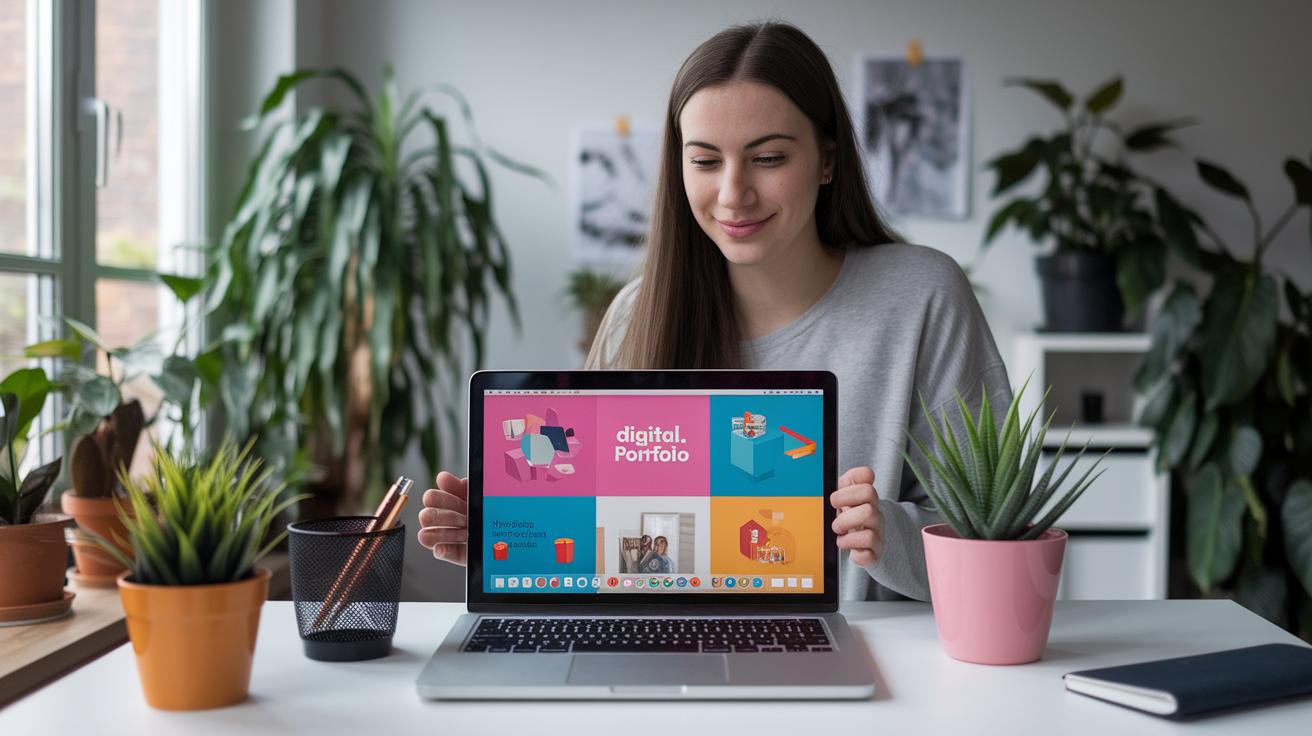
Your digital portfolio is like your very own stage. It shows off who you are and what you can do. If you’re using sites like Behance, Dribbble, or 99designs, think of your portfolio as a friendly showcase of your work, your unique style, and real comments from happy clients.
Choosing a platform is super important. Some sites are just perfect for visual projects, while others are better if you want to show live demos or share your coding work (code samples). This choice helps potential clients see your work clearly and makes it easy for them to navigate your online space.
- Focus on your niche so you reach the right crowd.
- Pick projects that best show off your skills.
- Write short, clear case studies that explain how you work and what you’ve done.
- Use a platform that looks great and fits your style.
- Regularly update your portfolio to keep it fresh.
Keep in mind that revising your work often is key. When you update with new projects and ideas, your portfolio stays current and true to your growth. Listening to client feedback can help you tweak things, making sure you always stand out in the busy world of online freelancing.
Client Acquisition Tactics for Online Freelance Work

Building a strong client base starts with careful planning and clear communication about your skills. When you send a pitch, make sure it shows you understand exactly what the client needs. Try to learn about their business, list the work you can do along with pricing, and include a few samples of past work. This method builds trust quickly. Also, joining freelance networks or setting up your own website to share projects and client feedback can really make a difference. Have you ever set up alerts on sites like SolidGigs to catch new opportunities as soon as they drop?
Crafting Compelling Proposals
Before you begin a proposal, spend a little time doing your homework. Find out what the client is after and then show how your skills are just right for the job. A good proposal has a short review of their needs, a clear list of tasks with prices, and a few examples of your work. Adding clear milestones helps the client follow your plan and know when they can expect results. This friendly, organized approach shows you’re confident you can deliver quality work.
Effective Client Communication
Keeping in touch is key to a smooth working relationship. Let your client know when they can expect to hear back from you and set up regular check-ins. This could be a quick email or an easy call on tools like Slack or Zoom. Also, make sure to ask for feedback during and after your projects. Doing so shows you value their thoughts and are always ready to improve. These steps help you handle early interactions professionally, paving the way for long-term success.
Productivity and Success Strategies in Online Freelance Work
Staying on top of your work is really important when you work on your own. A great tip is to use tools like Trello or Asana to keep an eye on your tasks, set deadlines, and break large projects into smaller, easy steps. Think of it like following a simple recipe, one step leads to the next, and before long, your day feels neatly organized and clear.
Another neat trick is setting clear goals using the SMART method: Specific, Measurable, Achievable, Relevant, and Timely. When you know exactly what needs to be done and when, it becomes easier to track your progress. Tools that help with time tracking can show you exactly where your hours go, so you can make tweaks to your schedule if needed.
It also helps to keep a good balance between work and your personal life. Try setting flexible work hours that still give you some structure. Even a quick break, a short walk or a few minutes of stretching, can really refresh your mind and boost your productivity. Many freelancers have noticed that these small changes, like using SMART goals and breaking work into manageable parts, make a big difference.
Experiment a bit and see what fits your style best. Find your own rhythm and keep adjusting your methods to enjoy a smoothly running freelance life.
Financial Planning and Tax Guidance for Online Freelance Work

When you work as a freelancer, keeping a close eye on your money is super important. I mean, you want to know exactly what you earn and spend, right? Using a basic spreadsheet or easy budgeting app can help you track every payment and all your expenses, from client fees to the little office supplies.
It really helps to set aside a part of your income for quarterly taxes. A lot of freelancers even open a separate bank account just for taxes so that when tax season comes, you're not caught off guard. This little habit stops last-minute scrambling and makes it easier to plan your money clearly. You might want to check out Tax Considerations for Gig Economy Workers (https://getcenturion.com?p=2244) for more tips on staying on track with tax rules.
Taking full advantage of available deductions can also ease your tax burden. For example, you might be able to write off some costs for a home office, equipment you really need, or software subscriptions that help your business run smoothly. Keeping good records of these expenses not only lowers your tax bill but also shows that you’re organized when dealing with the tax folks.
Lastly, having detailed records and a simple budgeting routine gives you peace of mind about your money. When you organize your different income streams and know the tricks for tax deductions, you can confidently handle your freelance finances while staying on the right side of the law.
Scaling and Growth Strategies in Online Freelance Work
Many freelancers dream of moving past the usual gigs and stepping into more premium markets. It all starts with building up your skills and boosting your credentials through certification courses. One freelancer even mentioned how, after earning a certification as a Certified Webflow Partner (a special approval that shows you are skilled), his earnings took off compared to when he only handled small projects.
Getting into new tech, like converting designs from Figma to Webflow (a process that turns design files into web-ready sites), can also really set you apart. Plus, exploring niche marketplaces and finding a mentor can be like adding new tools to your kit. Every course you take and every certification you achieve can help you command higher project fees.
I once heard about a digital creator who started using Webflow Cloud to host dynamic apps and soon, clients began noticing the quality of his work. This shows that staying up-to-date with new skills and networking can open up exciting opportunities.
Taking small, thoughtful steps, like enrolling in courses and connecting with industry experts, can really boost your presence in the market. By branching out into specialized areas, you not only increase your income potential but also build a diverse portfolio, making you a standout choice for high-value projects.
Final Words
In the action, this guide mapped out smart choices for thriving in online freelance work. It touched on picking the best platforms, creating a standout digital portfolio, and winning over clients with clear proposals.
We also examined productivity tips, sound financial planning, and smart tax ideas to help keep your money in check. Scaling your work and learning new skills rounds out the advice offered.
Your focus on real tools and steps can make a big difference. Keep your goals in sight and enjoy growing your skills every day.
FAQ
How do I become an online freelancer?
Becoming an online freelancer involves setting up profiles on sites like Upwork and Fiverr, building a small portfolio, and gaining remote project experience that helps you grow over time.
Which freelancing site is best for beginners?
The freelancing site best for beginners often includes Fiverr and Upwork, which offer easy-to-use interfaces, secure payment methods, and supportive communities that help you start small and build steadily.
What is the best website for freelance work?
The best website for freelance work depends on your skills; platforms like Upwork, Fiverr, and FlexJobs offer verified listings, secure payments, and a wide range of projects suited to different expertise.
What does online freelance work from home involve?
Online freelance work from home means handling varied tasks—from writing to graphic design—on your own schedule while using digital tools to connect with global clients securely.
Are platforms like Upwork, Fiverr, and other freelancer sites legit for beginners?
Platforms such as Upwork, Fiverr, and similar freelancer sites are legit for beginners when used wisely, offering secure payments and user-friendly tools that help you gain confidence as you work remotely.
| Platform | Specialization | Unique Feature |
|---|---|---|
| Upwork | Various roles like web dev, design, writing | Secure payments and broad listings |
| Fiverr | Creative projects and small tasks | Gig-based pricing model |
| Toptal | Tech and design specialists | Strict vetting for top talent |
| Guru.com | Multiple freelancing roles | Flexible payment options |
| FlexJobs | Remote and flexible jobs | Hand-screened, quality leads |
| PeoplePerHour | Project-based tasks | Performance-based ratings |

