Have you ever wished there was a tool that always finds the best prices for you? Imagine checking lots of stores in just seconds, kind of like having a buddy who never misses a bargain. Price comparison tools work like your personal shopping helper, scanning many shops to save you money fast. Over 10 million people use these tools because they keep an eye on price changes in real time. If you want to shop smart and grab great deals without the hassle, this post shows how a price comparison tool makes saving money easy and stress-free.
How a Price Comparison Tool Works to Secure the Best Deals
Imagine having a tool that quickly checks many stores for you, both online and in real life. It searches through tons of shops in seconds so you don't need to spend hours hunting for the best price. For example, ShopSavvy’s barcode scanner can look through over 50,000 U.S. stores, making it super easy to see if a product costs less somewhere else while you're in the store. It’s kind of like a mini shopping assistant that always knows where to find a better deal.
More than 10 million adults now use these tools before they buy something. They work like a fast, reliable engine that finds not just lower prices but also updates the data live. Amazon even lets you see different seller options on one page. And then there’s PriceGrabber, which gives you extra info with millions of products and loads of user reviews to help you decide.
Honey, another handy tool with 17 million users, automatically adds coupon codes when you check out. Plus, Google Shopping and Yahoo Shopping bring product details, prices, and feedback right into your usual search results so you have all the info you need in one place.
In truth, these price scouts make shopping easier by checking every deal quickly and accurately. They are a real lifesaver for anyone who wants to save money without the hassle of endless comparing.
Essential Features of a Price Comparison Tool
Price comparison tools are like digital deal detectives that keep an eye on prices around the clock. They update you in real time with alerts such as "Deal alert – Your favorite gadget dropped by 15% right now!" That quick notice helps you grab a discount as soon as it happens.
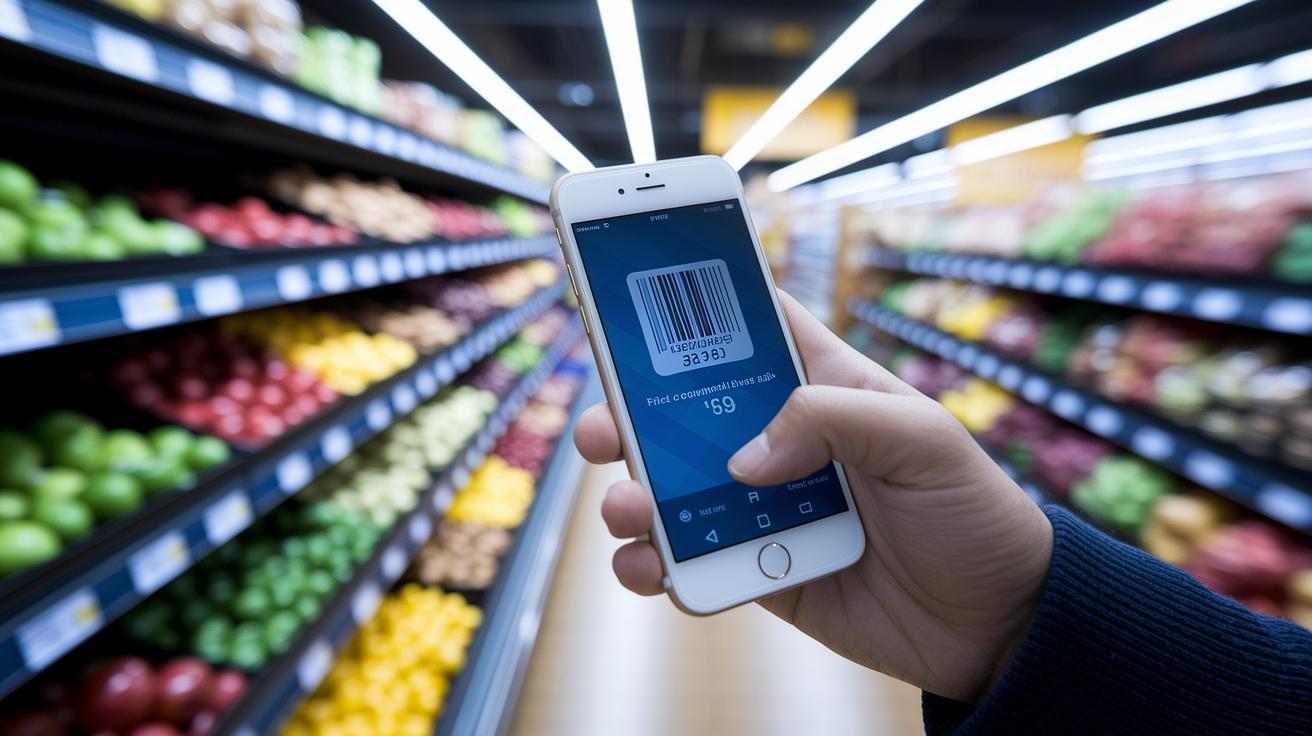
Another neat trick is the barcode and QR scanning feature, just like what you'll see in apps like ShopSavvy. Imagine holding your phone over an item at the store and instantly finding out if a nearby shop has it for less. There are also historical price charts, similar to those offered by Camelcamelcamel for Amazon. These charts show past price trends, so you can tell if you're buying when prices are high or low.
Automatic coupon application is another cool feature. For example, Honey works behind the scenes and might say, "Coupon applied – You saved $3 today!" Plus, many tools let you check out user reviews and ratings, like PriceGrabber does, which helps you feel sure about a product before you buy it. You'll also find options to create wishlists and set up tracking for price drops, similar to features on PricePirates and ShopSavvy apps. All these features together make hunting for the best deals both easy and fun.
Benefits of Price Comparison Tools for Consumers and Retailers
Price comparison tools help shoppers find the best deals in no time. They work like a friendly alert that tells you when that favorite snack goes on sale. I once got a phone buzz before heading out, letting me know my ice cream was 20% off at a nearby store. It's a neat way to save money and avoid wasting time.
Retailers get a lot of use out of these tools as well. They watch what competitors are charging and tweak their own prices and stock levels in response. By keeping an eye on sites like Google Shopping and Yahoo Shopping, they can adjust discounts almost instantly. For instance, if they see a competitor drop the price on a popular gadget, they might quickly change their own offers to match the demand.
| For Shoppers | For Retailers |
|---|---|
| Finds the best deals quickly | Keeps track of competitor prices |
| Saves time and money | Adjusts discounts and stock in real time |
Comparing Top Price Comparison Tools on the Market

ShopSavvy is great because it lets you scan barcodes from over 50,000 U.S. stores. It's like having a pocket helper who checks prices for you as you shop.
BuyVia takes a different path by sending out personalized deal alerts and coupon updates. This one is really handy, especially if most of your shopping is in the U.S.
PriceGrabber has a huge list of products and many stores to choose from. It also gives you detailed customer reviews, which make decisions a bit easier.
Slickdeals is all about community spirit. People post deals and vote on them, so it feels fun to browse, even if not every deal is from a big name store.
DealNews picks out the best deals of the day. If you like a handpicked list instead of sorting through endless numbers, this might be your go-to.
If you love shopping on Amazon, Camelcamelcamel is built just for you. It tracks past prices and alerts you when prices drop, which is perfect for timing your purchase.
Honey is a neat browser extension by PayPal that runs in the background. It automatically applies coupons and checks prices for the products you choose at checkout.
For those planning trips, TripAdvisor compares prices for hotels, flights, and even dining options, making travel planning a little easier.
PriceRunner lets you compare prices without any cost across several European markets like the UK, Sweden, and Germany. It’s a pretty handy tool if you shop internationally.
Google Shopping and Yahoo Shopping mix price comparisons right into your normal search results. They bring together product details, descriptions, and customer feedback in one view.
| Tool | Coverage | Strengths | Limitations |
|---|---|---|---|
| ShopSavvy | 50,000+ U.S. retailers | Barcode scanning | U.S.-focused |
| BuyVia | U.S. only | Personalized alerts | Limited international use |
| PriceGrabber | Millions of products | Detailed reviews | Information can be outdated |
Integrating a Price Comparison Tool with E-commerce Platforms
If you run an online store, you know how tough it is to keep up with the competition. A price comparison tool can really help you stay on top. It works by syncing live pricing data from tools like Prisync, PriceMole, Equate, and Lengow. That means it checks what others are charging and updates your prices automatically, kind of like a friendly price scout.
Good, clear product feeds are a must. Clear images and neat descriptions make your listings pop. Plus, a trusty price tracker keeps an eye on what your competitors are doing and even sends you an email when prices change. That way, you can adjust your strategy without missing a beat.
Setting up these tools right makes daily tasks a lot easier. They let you use smart pricing features to time your promotions perfectly and help you stand out in the market. While you focus on running your store, the price tool works quietly in the background to keep your data fresh and correct. Automated updates free up your time and cut down on manual work.
When everything clicks together, your store becomes nimble and ready to grab the best deals. In a fast-paced market, this smooth setup helps you keep a competitive edge every day.
Price Comparison Tools: Features, User Feedback, and Case Studies

Price comparison tools shine when they offer custom alerts, clear cost details (like shipping and tax), and a neat visual history of product prices. Imagine your tool pinging you with, "Alert: The price of your favorite gadget just dropped!" It feels friendly and helpful, doesn't it?
User reviews in app stores and on review sites can really steer you towards a trusty tool. One happy user mentioned that mixing in alerts helped them knock off 15% on electronics. That's a neat little win.
Retailers, too, have felt the difference. One case study even shared how switching to smart, dynamic pricing on Shopify boosted their sales by 8%. Pretty impressive, right?
Final Words
In the action, we saw how a price comparison tool quickly scans online and brick-and-mortar offers to help secure the best deals. The article explained key features like real-time updates, historical price trends, and coupon alerts, which can help save money and avoid credit pitfalls. It also shared budget-friendly shopping tips for smart spending during the holiday season and beyond. Embrace these tips and keep an eye on economic trends as you chart a path toward improved financial stability. Enjoy savings and a brighter financial future!
FAQ
What is a price comparison tool online?
A price comparison tool online helps you check prices across many stores quickly. This service gathers current offers and discounts so you can choose the best deal without visiting each website.
What is the best site to compare prices?
The best site to compare prices combines real-time data with customer reviews. It shows various offers from trusted retailers, letting you quickly see where you can get the lowest cost.
How do I use Google to compare prices?
Using Google to compare prices means entering your product search on Google Shopping. This feature displays listings, prices, and seller reviews side by side so you can pinpoint the best deal.
What is a free price comparison tool?
A free price comparison tool lets you view price information from multiple stores without any fee. It quickly shows both online and in-store prices so you can save money effortlessly.
What is an Amazon price comparison tool?
An Amazon price comparison tool highlights offers from different sellers on Amazon. It displays various price options so you can easily compare costs and make a smart buying choice.
How does price comparison work in the USA?
Price comparison in the USA involves checking prices from both online and brick-and-mortar stores. This process gives you a clear view of the best offers available across the country.
What is PriceGrabber?
PriceGrabber is a tool that aggregates pricing details for millions of items from thousands of retailers. It also includes customer reviews, giving you an extra layer of insight before your purchase.
What chart is best for price comparison?
The best chart for price comparison is usually a bar or line chart. These charts clearly show historical pricing trends, making it simple to spot when prices drop or rise.
How can I compare the price of two items?
Comparing the price of two items is done by using a tool that lists each product’s price from different stores. It helps you see not just the base price but also factors like shipping and additional fees.

