Ever feel weighed down by debt? It can seem like your bills are always piling up and every phone call feels stressful. A clear plan can really turn things around.
In this guide, we'll show you how to break your debt into smaller, manageable parts. You will learn how to list what you owe and speak confidently with people you owe money to (creditors are the people or companies you borrow money from). Think of it like putting together a puzzle, each piece is important on its own.
With practical steps and a simple roadmap, you can take control of your money and start feeling better sooner than you ever imagined. Let's work through it together.
How to Negotiate Debt Settlement: Achieve Relief Now
When you have a clear plan, the process feels less overwhelming and more manageable. Each step builds on the one before, so you can take control of your debt settlement without feeling lost. This approach makes sure you don’t miss any details and gives you the confidence to handle negotiations on your own.
-
Verify debt details
Take a close look at exactly what you owe, especially if your account is in collections. Check every fee and charge, and jot down anything that doesn’t seem right. -
Calculate your offer amount
Review your budget to decide how much you can actually pay. If you’re planning on making several monthly payments, it might help to set aside money in a special settlement account. -
Contact the creditor or collector
Talk to them directly. Explain your situation clearly and share your offer in a friendly and respectful way. Have you ever noticed how a simple, clear conversation can make a big difference? -
Negotiate terms and counteroffers
Try using a method like the Ackerman Method (a plan where you start with about 25% of your balance and then increase your offer step by step). This tactic can help you work towards a deal that fits your budget. -
Obtain and review written settlement
Never send money before you get a signed, detailed settlement agreement. Make sure the document lists all the terms, including the final amount and your payment schedule.
Follow these steps in order, and take careful notes along the way so you stay organized and in control.
Preparing to Negotiate a Debt Settlement Successfully

Start by making a simple list of all the bills you owe. Write down each creditor's name, the current balance, and the number of days the payment is late. This list is like your personal roadmap, it shows you which debts need attention first, be it overdue credit cards or old personal loans. Picture it as a grocery list you might jot down while shopping; it keeps things clear and easy to follow. If you notice any extra charges or numbers that don’t seem right, be sure to note those too.
Next, take some time to learn about each creditor's settlement rules. For example, credit card bills (unsecured debts) often settle for about 30 to 50 percent of what you owe, while loans backed by property (secured loans) might follow different rules. Knowing these details puts you in a better spot to negotiate a lower amount. It also helps to set aside some money each month or use any available lump-sum resources to form a settlement fund. Have you ever tried tweaking your budget to free up extra cash? There are lots of handy tips out there that might help.
Top Strategies for Negotiating a Debt Settlement
Handling your debt on your own can really help you avoid extra fees and the mix-ups that sometimes come with firms trying to make a profit. When you speak directly with your creditor, you get to call the shots. A quick phone call or even a simple email lets you explain your situation in clear, friendly language. You might say, "I'm working hard to get my finances back on track," to set a positive vibe.
One smart move is to try the Ackerman Method. Begin with an offer of about 25% of your total debt and then gradually increase it in 5% steps until you hit your maximum amount. Think of it like climbing a ladder one small step at a time. For example, you could say, "Based on my current budget, I can start with a 25% offer," and then slowly raise it. This way, you keep the discussion organized and stick to what you can afford.
It's a good idea to keep your tone calm and friendly. Try to make your calls when things are a bit quieter instead of during busy times like the end of the month when agents can be overwhelmed. If the creditor raises concerns, listen carefully and repeat what you understood before offering more details. This shows that you respect their side of the conversation and are willing to keep things open. For example, you might mention, "I'm dealing with reduced income this month," before moving on with your offer. And don't forget to ask for a written agreement that clearly outlines all the terms you discussed.
Sample Script for Creditor Calls
Turn 1:
You: "Hello, I'm calling about my account because I'm facing financial hardship. I can offer 25% of the balance as a settlement and would appreciate a written agreement outlining the terms."
Turn 2:
Creditor: "Thank you for sharing your situation. I'll review your offer and see what options we have. Please hold while I check your account details."
How to Negotiate Debt Settlement with a Personalized Letter
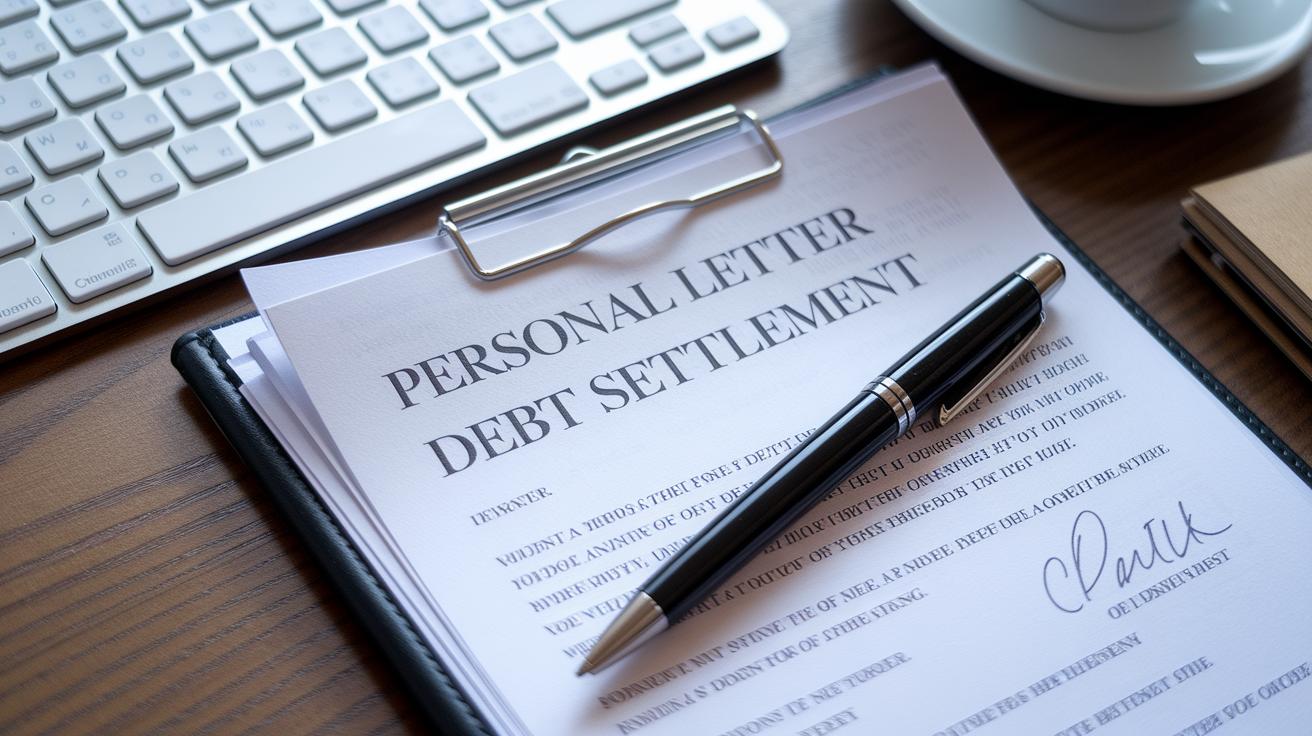
Writing a personal letter can clear up any confusion when you suggest a debt settlement. It creates a paper trail so you can easily track all the details and terms you agreed on. This way, you include everything important, from your contact info to the amount you think is fair, keeping you and your creditor on the same page.
| Letter Section | Content |
|---|---|
| Header | Date, your contact info |
| Account Details | Creditor name, account number |
| Hardship Statement | Brief snapshot of your income and expenses |
| Settlement Proposal | Suggested amount (like 40% of the balance) and a payment plan |
| Confirmation Request | Ask for written proof of “paid in full” or “settled” with a signature |
Try to keep your tone friendly yet professional to boost your chance of getting a positive reply.
Legal and Credit Implications of Negotiating Debt Settlement
Some federal laws like the FDCPA (a law that protects consumers) require creditors to honor any written settlement. When you sign a deal, both you and the creditor are stuck with its terms. Always check your state's rules on how long you have to deal with a debt before it legally goes away. And be careful of scam offers that promise to erase your debt completely; they usually bring more trouble than help.
If you ever get hit with a lawsuit, act fast. File your response in court right away and list any defenses you have before the deadline passes. This quick action not only protects your rights but may also help you avoid a long legal fight while you work out a settlement.
Sometimes, settling your debt for about 30 to 60 percent of what you owe can temporarily lower your credit score. The timing matters a lot; if your credit is already a bit shaky, the drop might be worse. On the bright side, you might find hardship programs that let you negotiate without hurting your credit score too much. Keep an eye on your credit reports, too, since changes can take 30 to 45 days to show up.
Take a moment to review all your legal documents carefully. These steps help you keep your negotiations solid and protect your credit, all while moving you closer to resolving your debt.
What Happens After You Negotiate a Debt Settlement

Once you send your payment, give your creditor a quick call to make sure your account shows as "settled" or "paid as agreed." It feels good to double-check, right? This simple step can save you from any mix-ups down the road.
Next, keep an eye on your credit reports for the next 30 to 45 days to see that all three credit bureaus update your account. While you wait, remember to pay your other bills on time. Timely payments not only help boost your credit score but also build a strong foundation for your financial future.
It can be really helpful to hold onto all your settlement letters, receipts, and notes from any conversations with creditors. Keeping these documents safe gives you a handy reference for any future talks and helps you see how far you've come with your debt management plan.
Final Words
in the action, this guide shows how to negotiate debt settlement by following clear, step-by-step advice. We touched on verifying debt details, setting a solid offer, and getting a written agreement. We also looked at building a settlement fund, drafting personalized letters, and keeping an eye on legal and credit matters. Each step is designed to help you manage credit effectively and keep your finances on track. Keep noting your progress and enjoy the climb toward a steadier financial future.
FAQ
Q: How do I negotiate debt settlement on your own, like on Reddit?
A: The idea of negotiating debt settlement on your own means gathering all your debt details, setting a clear payment offer, and reaching out directly to creditors while following a structured process discussed on online platforms such as Reddit.
Q: How do I negotiate debt settlement online?
A: The concept of negotiating debt settlement online involves using digital channels to contact creditors, present your verified offer, and track your correspondence while confirming each agreed-upon term in writing.
Q: How do I negotiate debt settlement using a letter?
A: The question about using a debt settlement letter means drafting a clear letter that explains your financial hardship, states your proposed settlement, and asks for a written confirmation, which helps set the stage for formal negotiations.
Q: How do I negotiate a debt settlement with a law firm?
A: The inquiry regarding negotiating with a law firm indicates enlisting professional legal guidance to craft your settlement offer, discuss realistic payment terms, and ensure that the agreement protects your rights and complies with regulations.
Q: How do I negotiate with creditors to reduce your debt?
A: The query about negotiating with creditors to reduce your debt means presenting a verified offer based on your financial limits, clearly communicating your terms, and insisting on written agreements to finalize the reduced debt arrangement.

