Ever wonder if settling your debt really changes your bank account? It might sound like a win to slash a big bill in half, but there are some hidden downsides. Your credit score might take a hit, and extra fees could sneak up on you. It’s a bit like trading a quick break for a longer, pricier ride later on. In this post, we lay out both the benefits and the risks so you can decide if debt settlement is a smart move for your finances.
Quick Verdict on Value: Is Debt Settlement Worth It?
Debt settlement might seem like a quick fix at first. You hear that you could save between 10 and 50 percent of what you owe, and it's tempting to think this could clear your debt faster. For example, imagine someone with around $27,000 in debt seeing that drop to about $13,500 before any fees. It sounds promising, right?
But here's the thing. Settling your debt can seriously hurt your credit score. Missed payments and settled accounts might lower your score by over 100 points, and that dip can stick around for up to seven years. This makes getting new loans or credit much tougher later on.
There are also extra costs to consider. Companies often charge 15 to 25 percent of the debt or the savings you achieve, and they only take that fee once a settlement is reached. Plus, the process can drag on for years. If you stop making your regular payments while you wait, you might end up with additional late fees and more interest.
So, is debt settlement the right move? It might be if you're really pressed for options, but it's not a magic cure-all. You'll need to weigh the short-term help against the long-term impact on your credit before deciding.
Understanding Debt Settlement Process and Fees
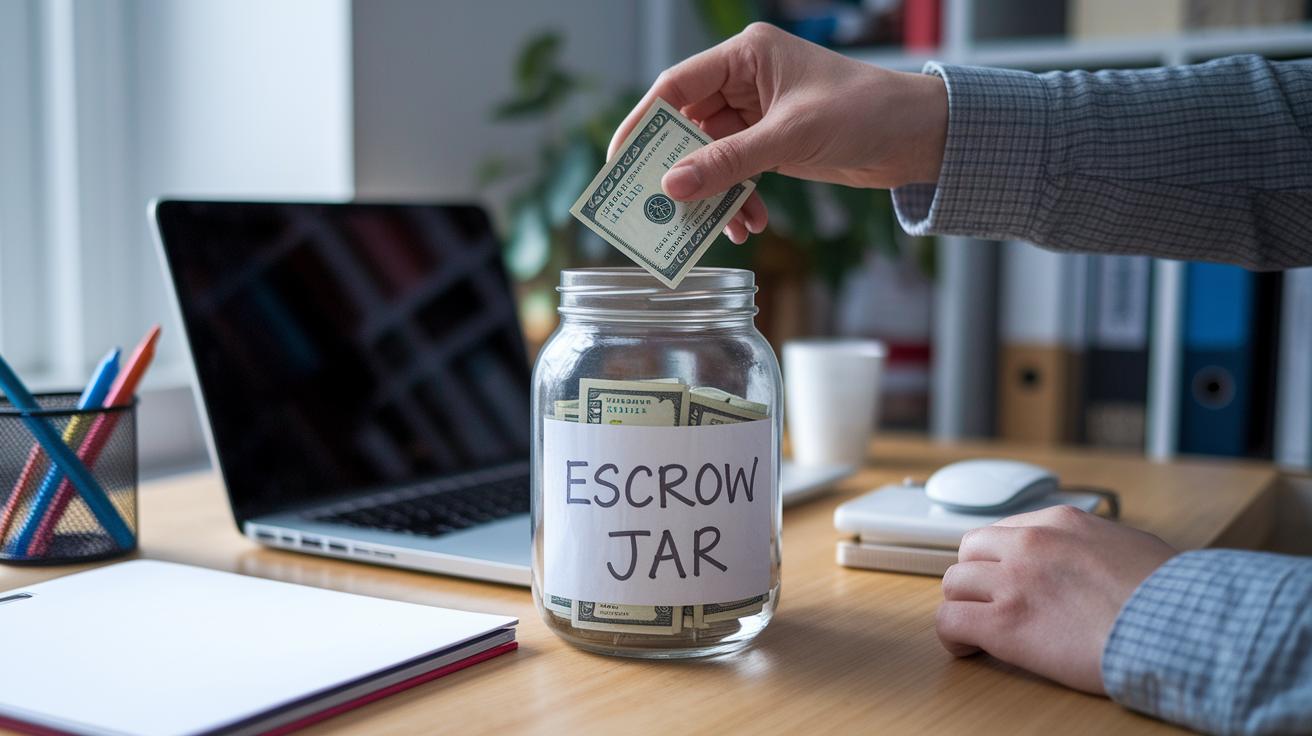
Debt settlement begins when you stop your regular payments and instead tuck your money into an escrow account. This account holds your cash safely while you or someone you trust talks to your creditors. It’s a bit like saving up in a special jar for one big goal. For instance, you might say, "I stopped my monthly payments and started building my escrow, just like saving for a big summer trip."
Once your funds are secure, either a company or a DIY negotiator reaches out to your creditors. They propose a one-time payment that is less than what you owe. These talks can go on for 2 to 4 years, depending on how quickly the creditors respond. When a creditor agrees to the lower amount, the deal is made and any fees are charged only after the agreement is reached. Imagine a long conversation that ends with, "They accepted the lower offer, and that’s when the fee kicked in."
Before you settle, missing payments might add extra costs like late fees or higher interest. Sometimes, if payments are missed too long, a creditor might even cancel your account, which can make your debt grow even more. This whole process needs careful planning and plenty of patience. In short, setting up an escrow, stopping regular payments, and stepping into long negotiations form the backbone of a debt settlement plan.
is debt settlement worth it: A Smart Choice
Debt settlement might be a good option if your bills are getting too high. It works by negotiating with your creditors so you end up paying less than you owe, sometimes saving you between 10 and 50 percent of your total debt. That extra saving means you could be free from debt sooner than if you kept making regular payments.
Imagine cutting your debt by nearly 30 percent. That win can feel like a huge relief, giving you a sense of control over your money once again.
Below are some key benefits you might experience:
| Benefit | Why It Helps |
|---|---|
| Less Debt | Slashing your debt by up to half can speed up your journey to being debt free. |
| Avoiding Bankruptcy | Settling your dues might help you dodge bankruptcy, which hurts your credit for years. |
| Consolidated Accounts | You can merge many unpaid bills into one manageable settlement. |
| No More Collection Calls | Once settled, those stressful calls from collectors can finally stop. |
| Reduced Stress | Seeing your debt drop can lift a weight off your shoulders and brighten your outlook. |
Taking these steps can really simplify your money matters. When you reduce what's owed and quiet those high-pressure calls, debt settlement not only helps balance your finances but also eases everyday stress. Sure, it might come with its own set of challenges, but it can be a smart choice to break free from the heavy cycle of debt.
Drawbacks and Credit Consequences of Debt Settlement

Debt settlement might seem like a quick fix because it lowers what you owe. But there is a big downside. When your account is labeled as settled on your credit report, your score can drop sharply, sometimes by over 100 points. Imagine your score falling just because a creditor settled for less than the full amount. This drop can make it very hard to get loans or new credit for many years.
Also, the IRS may treat the money you saved as extra income that you must pay taxes on. For example, if your settlement saves you $10,000, you might end up owing taxes on that amount. This adds an unexpected financial burden on top of your other debt problems.
Not every creditor is willing to negotiate. Some might say no altogether, leaving your debt untouched. In these cases, you might face legal actions or see your account charged off (written off because it is no longer collectible). Imagine spending months trying to settle, only to have one or two creditors push for lawsuits. This can hurt your financial profile even more.
Also, the whole debt settlement process can stretch on from two to four years. During that time, missed payments can pile on extra interest and fees. Every delay or additional charge makes the overall burden heavier, which can make the idea of settling less attractive when you consider the long-term credit damage.
Alternative Debt Solutions Compared
Nonprofit Credit Counseling & DMP
Nonprofit credit counseling services and debt management plans (a way to reorganize how you pay debts) can cut your interest rates down to about 8 percent instead of the usual 24.37 percent on credit cards. Imagine having one fixed monthly payment, just like paying a regular bill. Plus, you get advice from experts so you feel more sure about handling your money.
Debt Consolidation Loans
Debt consolidation loans work well if you have decent credit. These loans let you combine several high-interest debts into one lower-interest payment. Picture it as blending a few small streams into one steady river. A fixed rate makes it crystal clear what you owe, which can really ease the stress of managing different bills.
Credit Card Balance Transfers
Credit card balance transfers can give you an introductory offer of 12 to 18 months with 0 percent APR (the rate you pay for borrowing money). This lets you chip away at your balance without extra interest, like getting a head start in a race. Just be sure to pay on time, or you might face extra fees or a jump in your interest rate when the offer ends.
DIY Negotiation
DIY negotiation means you talk directly with your creditors without paying extra fees to an agency. It can save you money if you’re willing to spend a bit of time learning how to negotiate. Think of it like haggling at your local market, you might secure a better deal by staying patient and persistent.
Bankruptcy
Bankruptcy is usually the very last step because it can hurt your credit history for many years. It might bring some relief when nothing else works, but keep in mind it can limit your financial options down the road.
Credit Recovery Timeline After Debt Settlement

After you settle your debts, you might notice your credit score taking a big hit. In the first few months, your accounts show as "settled for less than full," which can drop your score by over 100 points. It feels rough, but you can rebuild your score step by step by making smart choices every day. Think of it like planting seeds that will soon grow into a stronger financial future.
Start with making all your rent or mortgage payments on time and consider using secured cards or credit-builder loans (loans designed to help build credit history). These small moves can lead to big improvements over time.
Below is a simple month-by-month plan to give you an idea of what to expect and what to do at each stage:
| Months Since Settlement | Expected Score Change | Recommended Action |
|---|---|---|
| 0–3 mo | Drop of 100+ points | Keep a close eye on your credit reports and tighten your budget, maybe try envelope budgeting if you’re new to it. |
| 4–6 mo | Score stabilizes with little improvement | Make every payment on time, use secured credit cards, and try to keep your credit usage low. |
| 7–12 mo | About +30 points recovery | Start taking out credit-builder loans and continue paying your rent or mortgage on time. |
| 13–18 mo | Steady rebound | Stick with your regular payments, update your secured card usage, and watch out for any late payments. |
| 19–24 mo | Noticeable growth toward previous levels | Keep practicing good financial habits and review your credit reports regularly. |
| 25+ mo | Ongoing score improvements | Persist with on-time payments and look for new opportunities to upgrade your credit options. |
Following this plan means you're building good habits every day. Every on-time payment, every careful decision adds up to a stronger credit history, turning that initial setback into a stepping stone for long-term financial health.
Real-Life Debt Settlement Case Studies and Expert Insights
Consumer Case Study
I once heard about a person drowning in $15,000 of credit-card debt. Over about 30 months, they worked out a deal and settled for just $8,000. Then, within a year after the settlement, their credit score went up by 60 points. Isn't that pretty amazing? They managed to save a big chunk of money while slowly rebuilding a score that had taken a hit. Imagine your monthly bill shrinking because you struck a deal that finally made your financial goals seem within reach. This example is perfect for someone who’s a bit behind on payments but still earns steady income and doesn’t own many assets. Sure, it took over two years to get back full credit access, and the whole process shaved off about one to two years from the overall debt life. This shows that while debt settlement can lighten your load right away, it also comes with its own timeline and compromises.
Expert Insights
Many financial experts say that companies usually manage to negotiate about a 30 percent saving on original debts. But here’s the catch: fees often take away 15 to 25 percent of that saving. One expert put it simply by saying, "Negotiations are like a tough bargain, you win some if you play your cards right." This approach is often a good fit for folks looking for an alternative to bankruptcy, especially if they're struggling with high payments. Experts remind us that even though a reduced balance looks appealing at first, you also have to consider the long-term effects on your credit and your access to funds. They suggest that you weigh the debt reduction against the delay in future credit opportunities and the extra fees you might have to pay. In short, while debt settlement can work well for some, every option comes with a mix of pros and cons.
Final Words
In the action, we walked through how settling debts works while checking out the potential savings and the effect on your credit score. We looked at fee structures, credit recovery steps, and compared different paths to manage your debt. This guide puts a clear spotlight on whether debt settlement worth it for your situation. Taking small steps can lighten your financial load and pave the way to a steadier future. Stay positive and keep your plans practical.
FAQ
What is debt settlement?
The process of debt settlement means stopping regular payments and putting funds aside so a negotiator can ask creditors to accept a lower lump-sum payoff than you owe.
Is debt settlement worth it?
The idea behind debt settlement is that you might cut much of your debt, but it comes with steep fees and can lower your credit score by 100+ points, so weigh the benefits against the risks.
How bad is debt settlement for your credit?
Debt settlement typically harms your credit by showing a “settled” status and missing payments, which can drop your score over 100 points and stay on your record for up to seven years.
What are the pros and cons of debt settlement?
Debt settlement can save you 10–50% on your balance and reduce multiple debts into one, but it also causes a notable credit drop, can bring fees and tax issues, and may not work with all creditors.
How does debt settlement compare to debt consolidation?
Debt settlement focuses on reducing your overall debt with a lump-sum payment, while consolidation combines debts into one new loan, each affecting your credit and payments differently.
What options exist for government debt relief programs and companies like Freedom Debt Relief?
There are free government debt relief options and firms like Freedom Debt Relief that help reduce balances, though it’s key to compare fees and terms, as each path has distinct features and risks.
How do debt settlement companies work?
Companies working in debt settlement stop your regular payments and help build a fund to negotiate lower debts with your creditors over a set period, billing fees only after reaching settlement agreements.

