Ever wonder how some folks use credit cards like pros while others get tangled in fees and debt? It doesn't have to be tricky. Think of a credit card like a jar of coins that you need to keep balanced. A few simple tips can help you guard each coin and keep things steady.
Once you learn to watch your spending and pay your bills on time, you build a strong record that shows you can handle money well. In this post, you'll find easy ideas and smart moves to help you dodge high fees and keep your finances on track.
How to Use Your Credit Card Responsibly
Start with one simple rule: try to keep your balance under 30% of your credit limit. For example, if your limit is $1,000, you should aim to use no more than $300 at a time. Think of it like a jar that's only partly filled, you leave room for more coins when you need them.
Always pay your full monthly balance. This helps you dodge extra interest charges that can sneak up on you and turn a small purchase into a big expense. It’s a bit like finishing your homework early so you can enjoy the rest of your day without worry. Paying in full each month not only saves you money but also builds a good credit history. Missing even one payment can rack up fees and raise your interest rate, which can hurt your credit score. Consider setting up automatic payments, it’s like having a friendly reminder that keeps your bills on time.
Only charge what you can pay off quickly. Spending more than what you can handle might seem fun at first, but it often leads to trouble later. Keep your budget in mind and stay aware of your limits.
- Keep your credit usage low to build a solid credit history.
- Always pay your full balance to avoid extra charges.
- Never miss a payment; even one slip-up can cost a lot.
- Use automatic payments to help you stay on track.
| Strategy | Why It Works |
|---|---|
| Keep balance below 30% | Helps build a solid credit history |
| Pay full balance each month | Prevents interest charges from adding up |
| Set up automatic payments | Stops late fees and keeps your record clean |
| Spend within your means | Keeps your budget balanced and debt-free |
Missing a payment can be like missing your bus on a busy day, suddenly, everything falls apart. Stick with these smart tips to manage your credit card wisely and build a strong financial future.
tips on using a credit card: Smart Choices
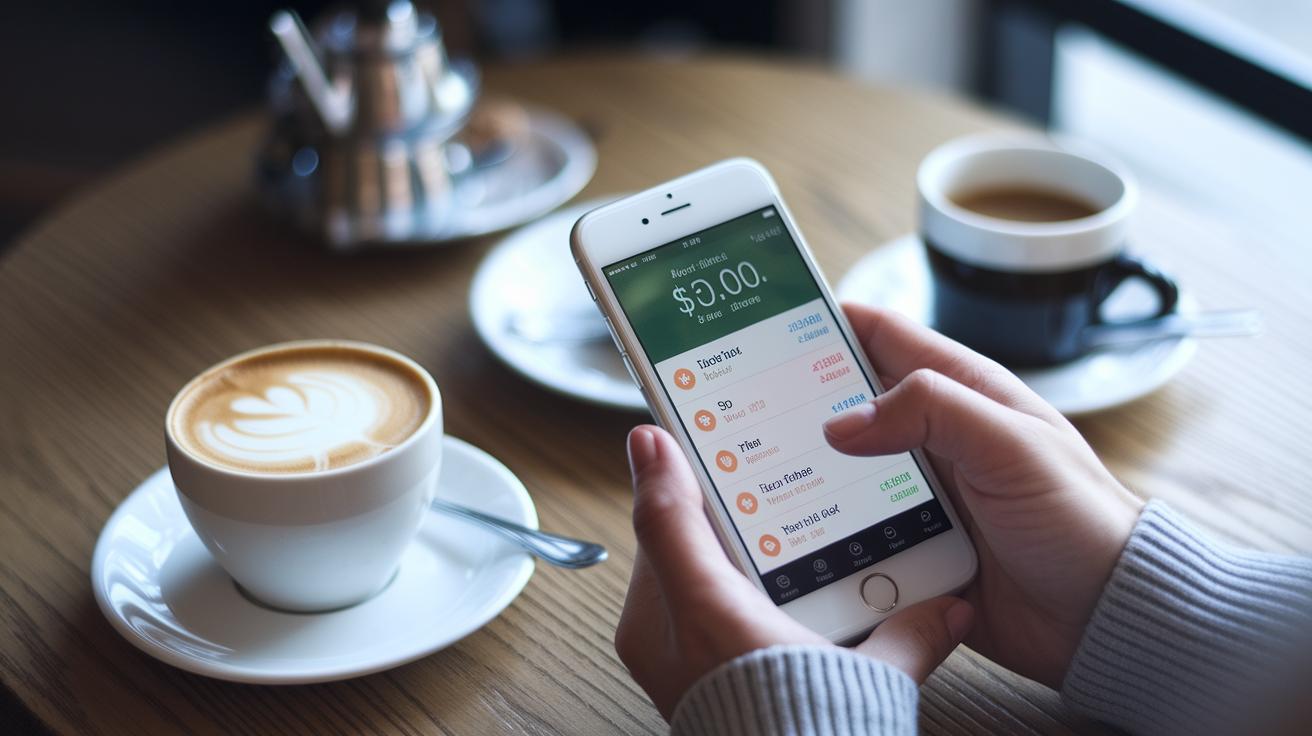
Think about planning your monthly spending by keeping an eye on your credit card activity. Try checking your bank app during the day and noticing a little coffee charge pop up, pretty neat for keeping tabs on your money. With real-time updates, you know right away where each dollar is going.
Set a spending alert on your phone so you get a friendly nudge when you get close to your limit. It’s like a little tap on your shoulder reminding you to slow down. Also, break your spending into groups like groceries, dining, or transport. This helps you see which areas might need a little tightening. Ever notice how a few extra dinners out can sneak up on your budget? That insight can really help you plan better next time.
Using digital wallets makes paying easier and gives you a clear list of what you bought , both online and in stores. They sort your expenses automatically, which makes keeping track a breeze.
Key tips:
- Use mobile banking to see your transactions immediately.
- Organize your spending to spot where costs add up.
- Use digital wallets for an organized record of purchases.
- Turn on spending alerts to stick to your budget.
| Tool | Advantage |
|---|---|
| Mobile Banking | Instant transaction updates |
| Spending Alerts | Helps keep your budget in check |
Smart Repayment Strategies to Minimize Interest
Set up automatic payments so you never forget a payment day. When your bill gets paid on time each month, you avoid extra fees and keep your interest lower. I once knew someone who even used text reminders. It felt like having a reliable friend who never missed a birthday.
Paying before your statement closing date can reduce the average balance used to calculate interest. Imagine you have a bucket that is partly full, and you empty it before it rains hard. That small move lowers the amount that the bank uses to add interest and can save you money over time.
Also, try to pay more than just the minimum amount. Even a few extra dollars helps cut back on interest. It is like tossing a few extra coins into your piggy bank. Over time, those small bits add up and make a big difference.
| Tip |
|---|
| Enroll in automatic payments |
| Pay before your statement closing date |
| Pay more than the minimum when possible |
Maximizing Credit Card Rewards and Benefits

When you choose a rewards card, think about where you spend most of your money, like on travel, dining, or groceries. Pick a card that gives you extra points for those main expenses. For example, if you often eat out, a card that rewards restaurant bills can really add up. I remember how every lunch out helped me rack up enough points over time.
If you have a big purchase coming up, look for cards that offer an introductory 0% APR offer. This feature means you won’t pay interest for a set period, so you can focus on piling up rewards without extra charges. It is also smart to compare rewards like cash back, statement credits, or even point transfers. One neat trick is to use a rewards comparison tool (like credit card benefits comparisons – https://getcenturion.com?p=3202) to see which card fits your needs best.
Selecting the Right Rewards Structure
Cards come with different styles of rewards programs. Some offer a fixed rewards plan while others switch bonus categories from time to time. If your spending is steady, say you always make weekly grocery trips, a fixed reward card might be perfect for you. That way, you know you will always get a bonus when you shop at the store.
Redeeming Points Effectively
When the time comes to use your rewards, it helps to know all your options. You might choose to transfer points to travel partners for a great trip or use them to lower your statement bill. Think of it like choosing between a little cash back or saving up for something special. These small choices now can lead to bigger savings later.
Avoiding Fees and Comparing Credit Card Costs
Reading your card agreement carefully is a smart move to dodge any surprise fees. When you check the fine print, you might find charges for things like an annual fee, foreign transaction costs, or penalties if you go over your limit. It can feel a bit like finding an unexpected cost on your bill after a normal purchase.
Next, take a look at the fee structure, APR rates, and any special introductory deals. Many people choose cards that offer a 0% APR or a no-fee start so that you aren’t hit with extra costs as you manage your payments. Think of it like comparing prices at the grocery store – every saved dollar matters over time.
You can also use helpful tools like credit card fee comparisons to see which card fits your needs best. This helps you decide if paying an annual fee is worth it when you get cool perks like travel rewards or cash back.
- Read the details for annual, foreign-transaction, and over-limit fees.
- Compare interest rates and introductory offers.
- Weigh the extra costs against the benefits for a smart choice.
| Feature | Consideration |
|---|---|
| Annual Fee | May be fine if you get extra rewards |
| 0% APR | Helps lower extra upfront costs |
Protecting Your Credit Card and Monitoring Activity

Keeping an eye on your credit card is a bit like guarding your treasure. Set up text or email alerts so you know right away when something happens. For example, Jamie turned on alerts and soon got a message about a $20 coffee charge she didn’t recognize. This quick heads-up helped her spot a fraud before it got worse. Also, checking your statements on your mobile app every day lets you catch any surprises fast. It’s like giving your money a little check-up.
Setting Up Transaction Alerts
To get these notifications, open your bank or card app and find the settings for alerts. You can choose to be alerted for every purchase or only for transactions above a certain amount. This works like a friendly nudge that keeps you in the loop about your spending. Sometimes, these alerts alert you to mistakes or fraud before they turn into big problems.
Annual Credit Report Checks
Every year, grab your free credit reports from all three bureaus. Think of it as reviewing your report card. Look for mistakes, repeated charges, or numbers that don’t seem right. These yearly checks can help fix small issues that might hurt your credit score later on. Regular monitoring keeps your financial picture clear and secure.
Building and Improving Your Credit Score with Card Usage
When using your credit card, try to keep your spending under 30 percent of your limit. For example, if your card allows $1,000, aim to pay with less than $300. It’s like leaving room in a jar for more when you add small amounts gradually.
Paying your bills on time really helps your credit over the long run. Even one payment that's 30 days late could stick around on your record for up to seven years. It’s similar to a mark that lingers and might affect your future scores.
If you’re just starting out with credit or need to rebuild, a secured credit card can be a good choice. These cards work just like regular ones but need a cash deposit first. That deposit acts like a safety net while you work on building a positive payment history.
Key points:
- Keep your usage below 30 percent.
- Always pay on time to avoid long-lasting negative marks.
- Consider a secured card if you’re starting out or trying to rebuild.
Did you know? Many people actually see their credit scores improve over time when they stick with these simple habits.
Final Words
In the action, we covered smart credit card practices, keeping balances low, paying on time, managing a budget, and even taking advantage of rewards. We discussed monitoring your spending closely and comparing fees to protect your credit.
Remember, adopting these strategies can boost your financial health. Stick to the ideas we shared and keep using those tips on using a credit card. Small, thoughtful choices can pave the way for a brighter future.

