Ever thought about why Warren Buffett's stock picks seem so different? He likes big names like Apple and American Express because they're proven winners. Lately, his moves show a mix of careful steps and bold decisions that go against the usual way of investing. In this post, we'll explore how his simple method of choosing stocks helps build lasting financial success.
Overview of Warren Buffett’s Current Portfolio Holdings
Warren Buffett's current investments really show off his focused way of investing. According to the latest SEC 13F filing from June 30, 2025, Berkshire Hathaway owns 41 stocks that are worth about $257.5 billion. He tends to stick with big, well-known companies that have proven their value over time.
Apple Inc. is his biggest holding at 22.31%, which is pretty impressive. American Express comes in next at 18.78%, a sign that he really trusts the credit card business. Bank of America makes up 11.12%, reflecting his confidence in strong, established banks. Then there's The Coca-Cola Company at 10.99%, showing his long-term belief in classic consumer brands.
Chevron is the only energy stock in his top picks at 6.79%. It was chosen for its steady cash flow and attractive dividend returns. These top five investments make up around 70 percent of the whole portfolio, which tells us that his strategy is to keep things concentrated rather than spread too thin.
This clear focus really highlights Buffett's commitment to quality investments that hold strong advantages in the market. He believes sticking with proven companies and keeping a disciplined plan is the key to building wealth over time. For anyone interested in a smart, value-based investing approach, his portfolio offers a great example to follow.
Breakdown of Top Holdings in the Warren Buffett Portfolio
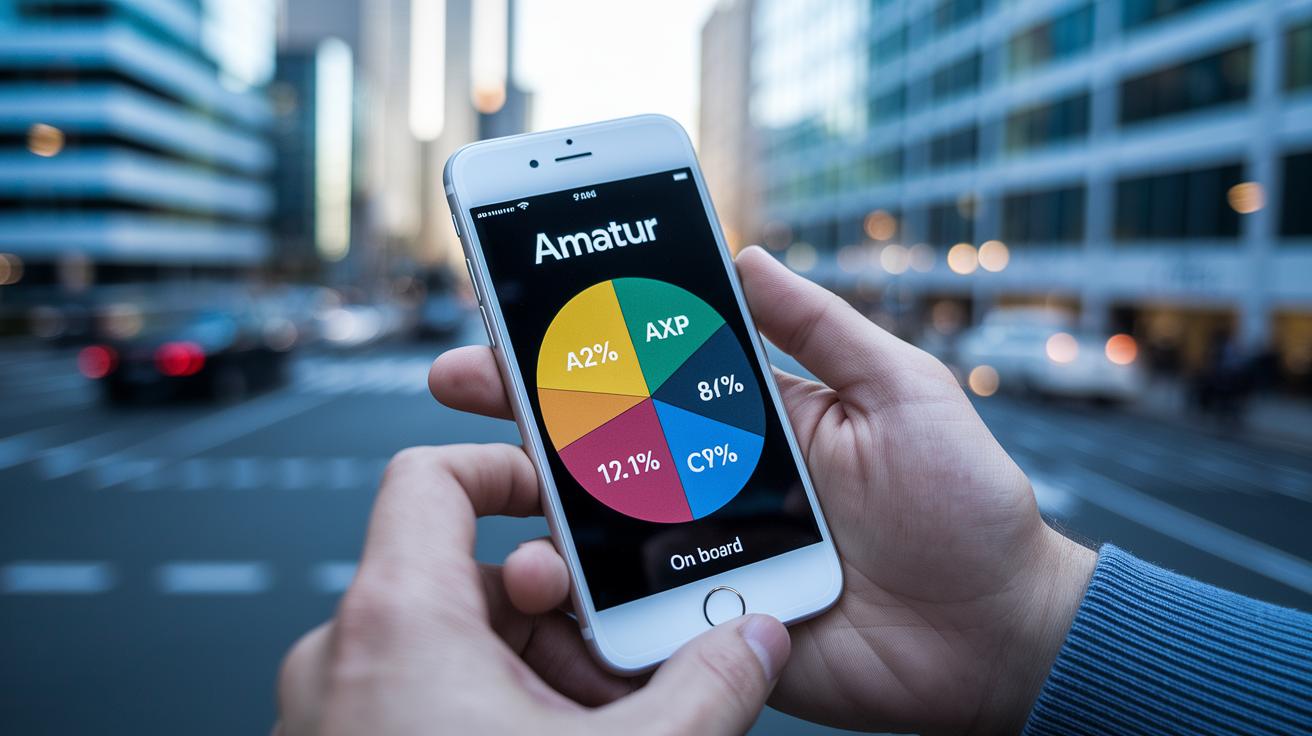
Buffett's top five picks show more than just percentages, they share a story about smart changes over time. Take Apple, for example. Once more than 40% of the portfolio, it fell to 22.31% after Buffett sold 20 million shares in Q2 2025. Isn't it interesting how a move like that can signal a fresh, yet cautious outlook in a tech market that still grows?
American Express now makes up 18.78% of the mix. This stock has a habit of standing out even when trends in credit change. Its ongoing role in how we spend really makes it a favorite, and some experts think it might even outperform its peers.
Bank of America sits at 11.12%, a clear sign of Buffett's trust in solid banking. Since his move in back in 2017, the bank has held its own, even when interest rates and regulations shake things up a bit.
The Coca-Cola Company, at 10.99%, has been a steady friend since 1988. Its familiar taste and reliable performance give it a special kind of stability, even when markets get a bit rocky.
Chevron, the only energy stock in the list, accounts for 6.79%. With strong free-cash-flow (extra money after expenses) and good dividends, it aligns well with energy trends that suggest growth as global demand increases.
| Ticker | Portfolio Percentage |
|---|---|
| AAPL | 22.31% |
| AXP | 18.78% |
| BAC | 11.12% |
| KO | 10.99% |
| CVX | 6.79% |
Historical Shifts in Buffett’s Portfolio Composition
Over the last year or so, Buffett has shifted his holdings in a pretty clear way. He sold 20 million Apple shares in Q2 2025, cutting his stake from over 40% down to 22.31%. This move shows that he isn’t afraid to trim even his biggest bets when the market changes.
At the same time, he saw a chance during a market dip. When UnitedHealth Group's stock dropped 45% year-to-date, he jumped in to buy shares, showing his belief in the company's solid basics (its underlying strength or value).
These changes tell us that Buffett really likes to keep his investments focused on what he strongly believes in, rather than spreading his money too thin. He tweaks his portfolio as markets rise and fall, which fits into his bigger plan to grow steadily while keeping risks limited. Each decision is carefully timed to boost long-term growth and balance potential downsides.
Warren Buffett’s Signature Stock Selection Criteria in the Portfolio

Buffett picks stocks by following simple, clear rules that focus on long-term strength. He likes companies that have a lasting edge, such as familiar names with strong pricing ability and loyal customers. Think of American Express or Coca-Cola. These companies have gained trust over many years and deliver steady profits. Even in energy, his choice of Chevron shows that he values firms that keep generating robust cash flow. And when he talks about free cash flow (extra money left after paying bills), it is like having money that works for you every day. It really is a game-changing idea in value investing.
He looks for companies that are priced well. In other words, their stock prices seem attractive when compared to how much money they earn. He also prefers stocks with honest, upfront management and clear rules. Simply put, he believes it is better to concentrate on only a few best stocks rather than spreading money too thin. This focused method means he holds only a few solid investments for the long haul.
Let’s look at his key points:
- A lasting advantage (economic moat)
- Steady free cash flow and the ability to reinvest profits
- Low or moderate debt
- A clear, predictable business and stable earnings
- Fair pricing (low price-to-earnings ratio or high earnings yield)
- Management that cares about shareholders
- A strong record with dividends and share buybacks
Buffett mixes hard numbers with a good feel for quality. It’s like piecing together a puzzle where every block counts. Each rule helps him cut through the noise and focus on companies built to stand the test of time. By combining basic facts with his personal judgment, he creates a clear plan for value investing. For example, choosing a well-known company like Coca-Cola, a friendly name with steady returns, is preferred over a risky, unknown stock. This approach shows why his portfolio has remained strong through decades. It reminds investors that steady quality and consistent performance beat short-lived trends.
Risk Management and Rebalancing Strategy of the Buffett Portfolio
Buffett sticks to a careful rebalancing method while holding on for the long haul. In Q2 2025, he decided his Apple position was getting too large and sold 20 million shares. Then, when UnitedHealth Group stock dropped in price, he grabbed some shares. He also checks his 13F filings (official documents listing his investments) to make small, thoughtful tweaks rather than big, drastic moves.
Think of it like a gardener trimming a bush. By cutting back 20 million Apple shares, he keeps the garden tidy and healthy.
Major Portfolio Adjustments in Q2 2025
Selling Apple and adding UnitedHealth Group show that Buffett listens to the market. He uses 13F filings to make careful adjustments, so his strategy stays both flexible and focused.
Buffett’s Concentration vs. Diversification Approach
Buffett prefers a focused portfolio. About 70% of his investments come from his top five stocks, but he also holds a few smaller bets. For example, his 0.39% stake in Pool Corp helps spread out risk while seizing small, unique chances.
| Action | Details |
|---|---|
| Apple | Sold 20 million shares to reduce overexposure |
| UnitedHealth Group | Bought shares during a price dip |
| Pool Corp. | Maintained a 0.39% stake for risk balance |
Lessons and Implications from the Warren Buffett Portfolio for Investors

Buffett’s way of investing shows that it pays to check in on your choices from time to time. Instead of changing your strategy at every market turn, set up regular times to ask if a company still fits your list of must-haves. For example, you might want to review your checklist every six months to see if a firm still shows steady free cash flow (extra money left over after paying expenses) and strong earnings.
Here are a few down-to-earth tips you might not have seen before:
-
Make a clear checklist that covers steady earnings, reliable free cash flow, and how well a company can handle slow economic changes.
Example: "If a company with a history of steady profits begins acting oddly, it might be a good idea to take another look at your list next time." -
Keep an eye on small changes in the economy, such as new rules or tech updates, which might change a company’s advantages.
Example: "Imagine watching a long-time company that suddenly faces fresh tech rivals. Regularly checking in can help you notice when its lead starts to slip." -
Set aside a little bit of your money to try out new sectors that show the same strong signals as the big winners.
Example: "Try a small investment in a fresh industry that looks solid. This lets you explore new ideas without taking too much risk."
Taking the time to check your investments periodically can really help keep your strategy both up-to-date and strong.
Final Words
In the action, we saw how Buffett manages his portfolio with precision and conviction. We reviewed his top positions, smart credit plays, and adjustments made to counter market shifts. This glimpse into the warren buffett portfolio offers practical insights for anyone looking to improve financial stability and make smarter spending choices.
Each section reminded us that careful planning can lead to lasting success. The ideas shared may help turn daily financial decisions into a more secure future.
FAQ
Q: What does the Warren Buffett portfolio tracker show?
A: The Warren Buffett portfolio tracker shows his latest 13F filings, detailing his major equity positions, recent trades, and overall concentration in key investments.
Q: What does the Berkshire Hathaway portfolio include and what are its top 25 holdings?
A: The Berkshire Hathaway portfolio covers 41 equity holdings with the core focus on the top stocks; the top 25 holdings highlight concentrated bets, with around 70% in the leading five investments.
Q: What are Warren Buffett’s recent buys?
A: Warren Buffett’s recent buys include a new position in UnitedHealth Group after its stock price dropped, reflecting his strategy of acquiring quality stocks when they trade at attractive prices.
Q: What is Warren Buffett’s net worth?
A: Warren Buffett’s net worth is reported in the billions, driven by the strong performance of Berkshire Hathaway and a long track record of compound returns over many decades.
Q: What portfolio strategy does Warren Buffett recommend?
A: Warren Buffett recommends a strategy focused on high-quality companies with durable advantages, steady free cash flow (excess cash after expenses), and trustworthy management rather than widespread diversification.
Q: What does the 70/30 rule mean in Buffett’s approach?
A: The 70/30 rule in Buffett’s approach explains how roughly 70% of his portfolio is invested in a few core stocks while the remaining 30% is spread over other positions to balance risk.
Q: Which five stocks make up most of Buffett’s portfolio?
A: Most of Buffett’s portfolio, roughly 70%, is held in five stocks: Apple, American Express, Bank of America, Coca-Cola, and Chevron because he trusts their long-term performance.
Q: Is there a Warren Buffett portfolio ETF available?
A: There isn’t an official Warren Buffett portfolio ETF, though some investment funds aim to mimic his style by tracking large-cap value companies similar to those he favors.
Q: What are the key details of Buffett’s portfolio for 2025?
A: Buffett’s portfolio in 2025, according to his latest 13F filing, holds 41 equity positions valued at about $257.5 billion, with major emphasis on his top five stocks that drive his overall strategy.

