Shopping locally is more than just a convenient choice; it’s a strategic way to boost both personal finances and community prosperity. By redirecting spending to local businesses, $68 of every $100 circulates within the community, compared to only $43 spent at national chains. This retention of funds fuels local economic growth, supports job creation, and enhances public infrastructure. Moreover, local businesses are often champions of community development, contributing to local causes at twice the rate of larger retailers. This investment not only funds essential community projects but also fosters a supportive social network. Shopping at local markets further offers financial advantages, such as reduced shipping and packaging costs, culminating in greater affordability. With unique products and personalized service offerings, local retailers offer quality and value that enhance the buying experience. Embracing local shopping habits builds stronger community connections, preserving character and resilience in a way that benefits all. This blog post explores these dynamics in detail, revealing how local shopping can be a powerful force for economic and social improvement.
Understanding the Economic Benefits of Shopping Locally
Shopping locally significantly impacts the financial flow within a community. When consumers spend money at local businesses, $68 out of every $100 stays within the community, compared to just $43 when spent at national chains. This retention of funds boosts the local economy by allowing business owners to reinvest in their operations, pay local taxes, and support other local businesses. This financial circulation creates a robust economic network, fostering sustainable economic growth and community development.
Local businesses are pivotal in job creation, responsible for two-thirds of new jobs, having added 5.1 million since 2003. By supporting local enterprises, consumers help maintain and increase employment opportunities within their communities. This not only helps reduce unemployment rates but also strengthens the local workforce, contributing to overall economic stability.
- Increased local tax revenue
- Reinvestment in community projects
- Strengthening local supply chains
- Supporting local artisans and producers
- Enhancing economic resilience
The broader economic impact of shopping locally extends beyond just financial benefits. It contributes to a more vibrant and interconnected community, where businesses are more likely to engage in local initiatives and support community infrastructure projects. This creates a positive cycle, where both the economy and the social fabric of the community are significantly strengthened, leading to improved quality of life for residents.
Saving Money Through Local Shopping
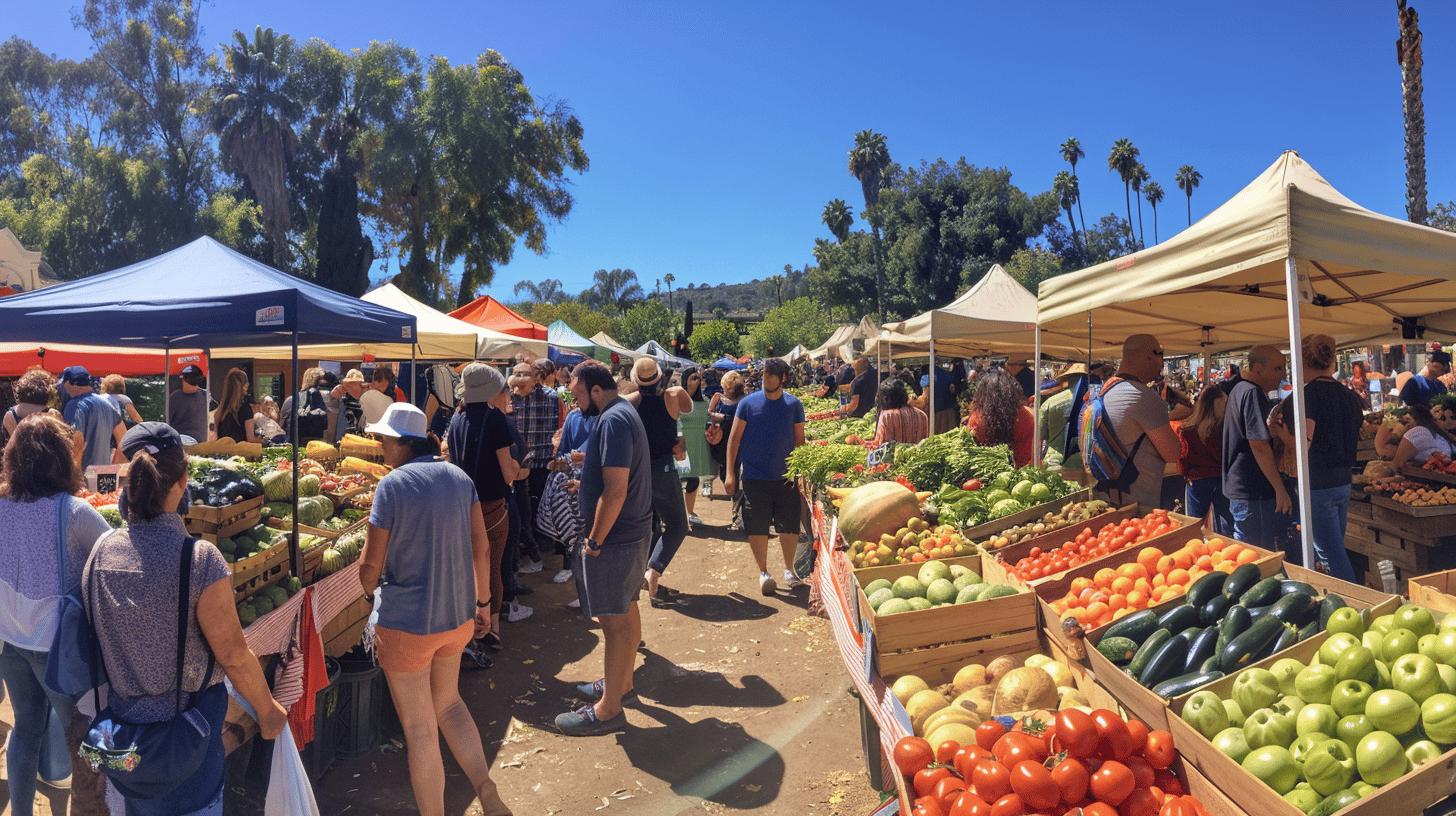
Shopping locally contributes to financial savings primarily by reducing shipping and transportation costs. When consumers purchase goods from local businesses, they eliminate the need for long-distance deliveries that often incur significant fees. This reduction in transportation expenses not only lowers the overall cost of products but also reduces the environmental impact associated with shipping. By cutting out these extra costs, local shopping offers a distinct price advantage over purchasing from distant suppliers or online retailers.
Local markets frequently provide competitive pricing due to reduced packaging and delivery fees. These markets often source products directly from nearby producers, eliminating additional costs that arise from extensive supply chains. As a result, consumers benefit from fresher goods at more affordable prices. Moreover, local businesses tend to tailor their offerings to meet the preferences and needs of the community, ensuring that products are not only cost-effective but also relevant to local demand.
|Expense Type |Local Savings |
|——————-|—————–|
|Shipping Fees |Significantly Reduced|
|Transportation Costs|Eliminated |
|Packaging Expenses |Lowered |
Community Support and Development Through Local Purchases
Local businesses play a crucial role in supporting community initiatives and charities. How do local businesses contribute to community causes at a higher rate than chain stores? Local businesses donate to community causes at twice the rate of chain stores. This is because local business owners often have a vested interest in the welfare of their communities. They are more likely to sponsor local events, support youth sports teams, and fund local non-profits. This involvement not only aids in community development but also fosters a sense of unity and shared purpose among residents. By shopping locally, consumers are indirectly supporting these charitable activities, thereby contributing to the overall well-being of their community.
Community Infrastructure Enhancement
Local shopping significantly supports local projects and infrastructure. How does shopping local enhance community infrastructure? By patronizing local businesses, consumers drive funds back into the community, which can be used for infrastructure improvements and public projects. Local governments benefit from increased tax revenues, which can be allocated to enhance public amenities such as parks, libraries, and roads. Moreover, local businesses often take initiative in beautification projects or infrastructure enhancements, reflecting their commitment to community improvement.
- Funding for public parks and recreational facilities
- Renovation of community centers and libraries
- Support for local schools and educational programs
- Investment in sustainable urban development projects
Social well-being improvements are another significant outcome of investments driven by local shopping. When businesses reinvest in their communities, it leads to better public services, improved facilities, and enhanced quality of life for residents. These improvements foster a more engaged and connected community, where individuals feel valued and supported. Additionally, the presence of thriving local businesses can enhance the social atmosphere by providing spaces for community gatherings and interactions, contributing to a vibrant and cohesive community fabric.
Unique Benefits of Shopping at Local Markets and Independent Retailers

Shopping at local farmers' markets offers significant environmental benefits. How do farmers' markets contribute to environmental sustainability? Farmers' markets reduce a 1,500-mile travel distance for food, which significantly lowers fossil fuel use and packaging waste. By purchasing products locally, consumers minimize the carbon footprint associated with transporting goods across vast distances. This practice not only supports environmental conservation but also ensures consumers receive fresher produce with fewer preservatives. The reduced need for packaging further lessens the environmental impact, making farmers' markets an eco-friendly choice for conscientious shoppers.
Local retailers provide unique products that larger chain stores often lack. What makes the offerings of local retailers unique? Independent retailers frequently offer products that reflect the local culture and community preferences. These items are often handmade or crafted in smaller batches, providing a distinct alternative to mass-produced goods. This uniqueness extends to the quality and personalization of the products, which are tailored to meet specific local tastes and demands, giving consumers access to one-of-a-kind items that enhance their shopping experience.
- Handmade crafts and artisan goods
- Locally produced foods and beverages
- Personalized customer service experiences
- Community-focused events and workshops
- Limited edition or seasonal products
- Services tailored to local customer needs
The impact of local markets and independent retailers on culture and traditions is significant. How do these local businesses influence cultural preservation? By supporting local artisans and producers, consumers help maintain and celebrate the heritage and traditions unique to their community. Local markets often become gathering spaces for cultural exchange, allowing residents to connect over shared values and traditions. This not only strengthens community bonds but also preserves cultural identity in an increasingly globalized world. Through their diverse and culturally rich offerings, local markets and retailers play a vital role in fostering a sense of pride and belonging among community members.
Building Stronger Communities Through Local Shopping Habits
Personal interactions with local business owners significantly contribute to forming strong community bonds. How do local business interactions foster community connections? Local business owners engage personally with customers, fostering connections that lead to volunteerism and local fundraising. By maintaining direct communication, these businesses create personalized shopping experiences that go beyond mere transactions. Customers often appreciate the individualized attention and service, which fosters loyalty and a sense of belonging. This relationship building not only enhances customer satisfaction but also strengthens the social fabric of the community, as people feel more connected to those who serve them.
Volunteerism and Fundraising
How does shopping locally encourage community involvement? Shopping at local businesses often translates into increased community engagement. Local businesses are known for their active participation in community events and charitable activities, frequently organizing or sponsoring initiatives that benefit local causes. This involvement inspires customers to participate, fostering a culture of giving and collaboration within the community. By supporting local businesses, consumers indirectly contribute to these efforts, promoting a cycle of mutual support and community growth.
- Increased community pride and ownership
- Strengthened local support networks
- Enhanced collaboration among community members
- Greater investment in local events and initiatives
The role of local shopping in preserving community character and resilience is profound. How does local shopping help maintain community identity? Local businesses often reflect the unique culture and character of their communities, offering products and services that are specifically tailored to local tastes. This distinctiveness helps preserve the community's identity in the face of globalization. By prioritizing local shopping, residents contribute to sustaining these cultural elements, reinforcing a sense of place and community pride. Furthermore, the economic resilience fostered by strong local businesses provides a stable foundation for the community, ensuring it can withstand broader economic challenges.
Final Words
Focusing on local commerce brings substantial benefits, both economically and socially. Shopping locally retains $68 of every $100 spent within the community, compared to just $43 at national chains. This reinforces financial circulation and job creation at a local level.
Moreover, opting for local businesses often results in cost savings due to reduced shipping expenses. Local enterprises contribute significantly to community development, enhancing infrastructure, supporting local causes, and improving social well-being. Unique and environmentally considerate offerings from local markets also support local culture.
Adopting local shopping habits not only boosts the economy but also strengthens community ties. By understanding Why Shopping Local Can Save You Money and Support Your Community, individuals contribute to a flourishing and resilient local environment.
FAQ
Why shopping local can save you money and support your community?
Shopping local reduces transportation costs, offers competitive pricing, and keeps money in the community, supporting local infrastructure and job creation.
10 reasons to shop local
- Supports local businesses
- Reduces environmental impact
- Creates jobs
- Keeps money in the community
- Encourages local entrepreneurship
- Provides unique products
- Builds community connections
- Enhances customer service
- Promotes sustainability
- Boosts local tax revenue
Why shop local small business?
Shopping local boosts local economies, creates jobs, and supports community initiatives by ensuring more money stays within the community, unlike multinational chains.
Benefits of shopping local
Benefits of shopping local include supporting community initiatives, creating jobs, reducing environmental impact, and fostering unique, resilient communities.
Disadvantages of shopping locally
Shopping locally may present limited product variety and potentially higher prices due to smaller scale operations compared to larger chain stores.
Why is shopping local good for the environment?
Shopping local reduces transportation distances, lowering fossil fuel use and packaging waste, leading to a more sustainable and environmentally friendly community.
Shopping local quotes
Local shopping strengthens community foundations, fostering growth, unity, and resilience.
How much money stays local when you shop local?
When you shop locally, $68 of every $100 spent stays in the community, significantly more than the $43 retained when purchasing from national chains.
How does shopping local help the community?
Shopping local helps the community by supporting local businesses, creating jobs, and funding community projects, enhancing overall socio-economic well-being.
Why small local shops are important to the community?
Small local shops are important for preserving community character, providing personalized services, and contributing to local economic and social resilience.
How do stores help the community?
Stores help the community by fostering economic growth, creating jobs, funding local projects, and enhancing community social networks through personal customer interactions.
How does buying locally help the economy?
Buying locally supports the local economy by keeping more money inside the community, creating jobs, and fostering investments in local projects and services.

