In the mid-20th century, government defense contracts catalyzed the rise of Silicon Valley, laying the foundation for its transformation into a global technology hub. These contracts provided essential funding and resources, enabling fledgling tech companies to innovate and expand rapidly. Leveraging substantial financial support from entities like the Department of Defense, the region attracted visionaries and entrepreneurs eager to exploit emerging technological opportunities. This influx of funding spurred a wave of innovation and infrastructure development, ultimately fostering a dynamic ecosystem that continues to drive advances in technology today. Understanding the pivotal role of these contracts in Silicon Valley's development reveals how strategic government investment can shape industries and fuel economic growth on an unprecedented scale.
The Role of Government Contracts in Shaping Silicon Valley
Government contracts have been a catalyst for growth in Silicon Valley, particularly during the mid-20th century. As the U.S. increased its focus on technological advancement amid global tensions, defense contracts became pivotal. These contracts were not only substantial in financial terms but also instrumental in fostering an environment conducive to innovation. By channeling significant resources into research and development, the government laid the groundwork for what would become a technological hub.
The types of contracts awarded were primarily defense-oriented, focusing on areas such as semiconductor development and aerospace technology. Companies like Fairchild Semiconductor and Lockheed Martin were key beneficiaries, receiving funding to advance projects that aligned with national defense priorities. These contracts were significant as they enabled firms to access cutting-edge technologies and skilled personnel, facilitating rapid advancements in the tech sector. This relationship between the government and Silicon Valley companies ensured that technological innovations met both commercial and military needs.
The long-term impacts of these government contracts on Silicon Valley have been profound. They stimulated an ecosystem ripe for innovation, attracted a skilled workforce, and nurtured an entrepreneurial culture. The region's infrastructure and research capabilities were significantly enhanced, creating a foundation for sustained technological growth. The legacy of these contracts is evident in Silicon Valley's continued prominence in global tech innovation, underscoring the vital role of early government investment.
- Innovation stimulation
- Infrastructure development
- Workforce creation
- Entrepreneurial culture
Early Defense Contracts and Their Impact

Early defense contracts during World War II and the Cold War were pivotal in shaping Silicon Valley's technological landscape. As global conflicts intensified, the U.S. Department of Defense sought to secure its technological edge by investing heavily in research and development. This era marked a significant increase in government spending on defense-related technologies, which played a crucial role in the region's growth and development. These contracts were not just financial lifelines but also strategic tools that spurred innovation and technological advancements.
Key contracts were awarded to companies such as Fairchild Semiconductor and Lockheed Martin, which became instrumental in advancing semiconductor and aerospace technologies. Fairchild Semiconductor, for instance, received funding to develop new semiconductor devices critical for military applications. Lockheed Martin's contracts focused on aerospace advancements, providing the technology necessary for defense and space exploration. These partnerships between the Department of Defense and Silicon Valley firms laid the groundwork for the region's reputation as a technology powerhouse, allowing companies to leverage military needs to fuel commercial innovation.
The strategic importance of these contracts cannot be overstated. They not only fulfilled national defense requirements but also accelerated the pace of technological change. By aligning military objectives with technological development, the U.S. ensured that Silicon Valley companies were at the forefront of cutting-edge research. This synergy between defense needs and technological capabilities fostered an environment where innovations could rapidly transition from military to civilian use, thereby expanding the commercial tech market.
The broader implications for the tech industry were profound and enduring. Defense contracts facilitated the creation of a robust infrastructure and a skilled workforce, laying the foundation for long-term industrial growth. The legacy of these early defense partnerships is evident in Silicon Valley's continued dominance in global technology markets, highlighting how strategic government investments can catalyze regional development and industry leadership. This historical relationship underscores the symbiotic nature of defense and technology, which continues to shape innovation trajectories today.
Innovation Through Government Contracts
Government-backed investments in research and development (R&D) have been pivotal in fostering innovation within Silicon Valley. These investments were not merely financial contributions but strategic initiatives that propelled technological advancements. By prioritizing funding for cutting-edge research, the government played a crucial role in transforming theoretical concepts into practical applications. The emphasis on R&D facilitated a robust environment for exploration and discovery, enabling nascent technologies to mature rapidly. This foundational support was instrumental in positioning Silicon Valley as a leading hub of innovation and technological progress.
The encouragement and formation of startups were significantly influenced by these government contracts. By providing essential funding and resources, the government enabled entrepreneurs and innovators to bring their ideas to market. Startups thrived under the umbrella of government-backed projects, gaining access to both financial aid and technical expertise. This support system nurtured a culture of experimentation and risk-taking, which was critical for the emergence and growth of new enterprises. As a result, Silicon Valley became synonymous with entrepreneurial spirit and technological breakthroughs, attracting talent and investments from around the globe.
The growth of the high-tech industry in Silicon Valley can be directly attributed to the strategic infusion of government contracts. These contracts not only fueled individual company growth but also catalyzed the expansion of entire sectors within the tech landscape. The sustained influx of funding allowed for the development of sophisticated infrastructure and advanced technologies, which in turn attracted further investment and innovation. This cycle of growth and reinvestment solidified Silicon Valley's status as a global leader in the high-tech industry, demonstrating the profound impacts of government-driven innovation.
| Investment Type | Impact |
|---|---|
| R&D Funding | Accelerated technological advancements |
| Startup Support | Facilitated the formation and growth of new companies |
| Sector Growth | Drove expansion in high-tech industries |
Case Studies: Key Tech Companies and Defense Partnerships
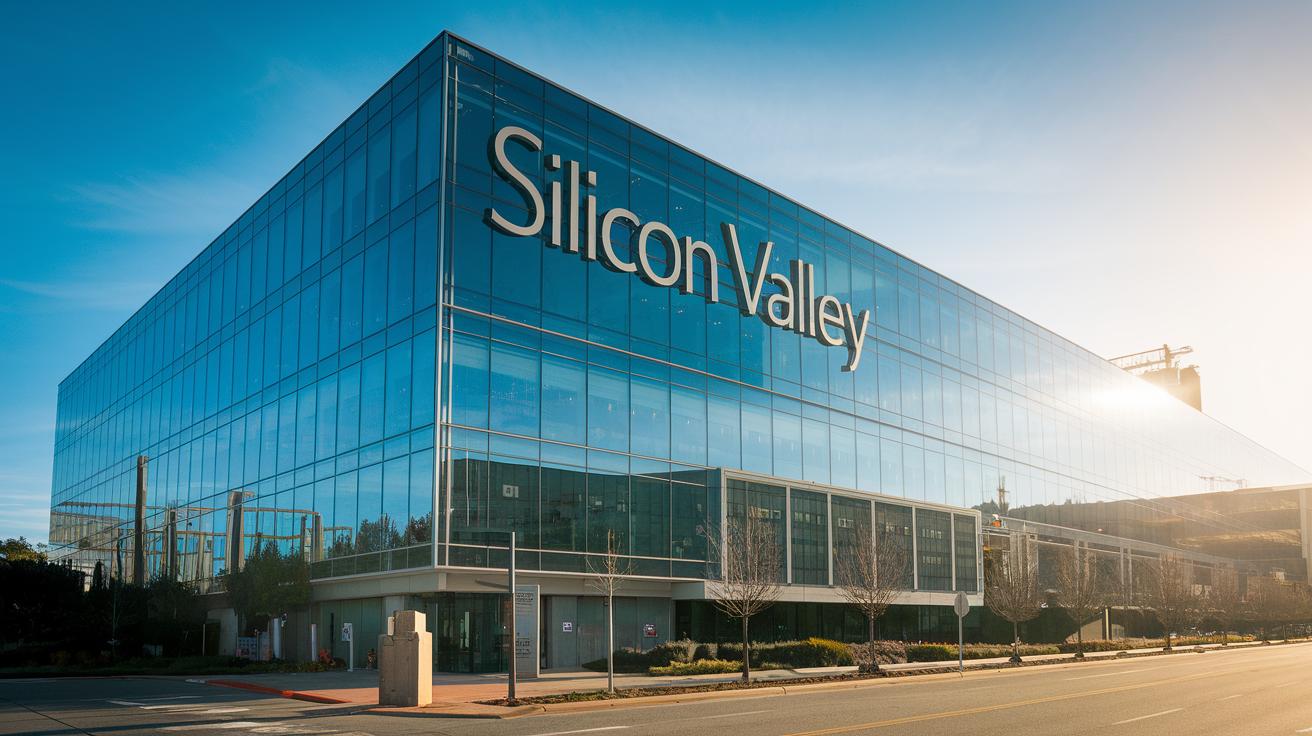
Government defense contracts have been a cornerstone in shaping the technological landscape of Silicon Valley, fostering growth and innovation among key tech companies. These partnerships provided essential resources and strategic opportunities that enabled companies to leverage cutting-edge technology for both military and commercial purposes. By aligning their goals with national defense needs, tech firms could access significant financial support and technological advancements that propelled their growth trajectories.
Case Study 1: Fairchild Semiconductor
Fairchild Semiconductor, founded in 1957, played a pivotal role in the development of Silicon Valley's semiconductor industry. Its inception coincided with a surge in demand for advanced electronics, driven by the U.S. military's need for sophisticated technologies during the Cold War. Defense contracts awarded to Fairchild were crucial, providing the financial means and technological impetus to innovate and refine semiconductor devices. The company's work on transistors and integrated circuits was particularly significant, aligning with military requirements for miniaturized electronic components.
The growth trajectory of Fairchild Semiconductor was characterized by rapid technological advancements and expansion. By fulfilling defense contracts, the company not only secured steady revenue streams but also gained a competitive edge in the burgeoning electronics market. This momentum enabled Fairchild to establish itself as a leader in semiconductor technology, ultimately laying the foundation for what would become the Silicon Valley tech ecosystem. The innovations borne out of these defense partnerships were instrumental in advancing both military applications and consumer electronics.
Case Study 2: Lockheed Martin
Lockheed Martin, a major player in aerospace and defense, has long-standing ties with the U.S. Department of Defense. The company's history in Silicon Valley dates back to its early involvement in defense contracts, particularly those focused on aerospace technologies. These contracts facilitated the development of advanced aircraft and missile systems, crucial for maintaining U.S. military superiority during the Cold War era. Lockheed Martin's collaboration with the government underscored the strategic importance of aligning corporate capabilities with national defense objectives.
The impact of defense contracts on Lockheed Martin's growth trajectory was profound. The steady influx of government funding enabled the company to invest in research and development, leading to breakthroughs in aerospace engineering and technology. This not only reinforced Lockheed Martin's status as a defense industry leader but also contributed to the broader technological advancements within Silicon Valley. The symbiotic relationship between defense needs and corporate innovation fostered an environment where technological progress thrived, benefiting both the military and civilian sectors.
In conclusion, the partnerships between tech companies like Fairchild Semiconductor and Lockheed Martin with the U.S. government were instrumental in shaping the growth and innovation landscape of Silicon Valley. These collaborations provided critical financial support and technological opportunities that allowed these firms to excel in their respective fields. The legacy of these defense-driven partnerships is evident in the region's continued prominence as a global technology leader, highlighting the enduring impact of strategic government-industry collaborations.
The Legacy of Government Contracts in Silicon Valley's Tech Ecosystem
Government contracts have historically been pivotal in shaping Silicon Valley's technological landscape, establishing a foundation for its ongoing influence in the tech world. During the mid-20th century, the strategic allocation of defense contracts accelerated the region's technological advancements. These contracts provided critical funding and resources that enabled companies to innovate rapidly, fostering a culture of technological excellence that persists today. The legacy of these early investments is evident in the region's sustained global leadership in technology, underscoring the long-term impact of government intervention.
A significant correlation between government contract awards and technological growth in Silicon Valley highlights the efficacy of these investments. By channeling federal resources into research and development, the government effectively catalyzed a rapid progression of technological capabilities. This influx of funding not only supported existing companies but also attracted new talent and startups, creating a vibrant ecosystem of innovation. The data from this period clearly demonstrates how strategic government spending can drive industry growth, propelling Silicon Valley into a position of dominance in the tech sector.
The broader economic and cultural impacts of these government contracts on Silicon Valley are substantial. Economically, they facilitated the development of advanced infrastructure and a skilled workforce, essential components for sustained innovation. Culturally, the influx of diverse talent fostered an entrepreneurial spirit and collaborative environment, hallmark traits of Silicon Valley today. These contracts not only shaped the technological capabilities of the region but also cultivated a unique culture that continues to attract global attention and investment, reinforcing Silicon Valley's status as a premier hub of innovation.
The role of government contracts in Silicon Valley's growth has been pivotal in transforming the region into a global technology hub. Early defense contracts from the mid-20th century laid the foundation for innovation and infrastructure development, setting the stage for the tech landscape seen today. The substantial funding provided by these contracts stimulated innovation, created a skilled workforce, and fostered an entrepreneurial culture, all contributing to Silicon Valley's dynamic growth.
As demonstrated through the partnerships with companies such as Fairchild Semiconductor and Lockheed Martin, the strategic investments by the Department of Defense during World War II and the Cold War were instrumental. These relationships not only filled critical national defense needs but also propelled technological advancements, shaping the high-tech industry that defines the region. The legacy of government-backed innovation continues to influence Silicon Valley's development, underscoring the enduring impact of these early contracts on its technological and economic trajectory.
FAQ
What contributed to the development of Silicon Valley?
The development of Silicon Valley was significantly influenced by government defense contracts in the mid-20th century. These contracts fueled technological innovation, infrastructure growth, and the establishment of a high-tech industry.
What is Silicon Valley and why is it important?
Silicon Valley is a global technology and innovation hub located in Northern California. It is important due to its role in driving technological advancements and housing leading tech companies, startups, and venture capital firms.
What is the main industry in Silicon Valley?
The main industry in Silicon Valley is technology, encompassing sectors like software, semiconductors, networking, and internet services. It is also known for fostering innovation and supporting numerous tech startups.
What is the Silicon Valley model of innovation?
The Silicon Valley model of innovation is characterized by a collaborative ecosystem that encourages risk-taking, rapid prototyping, and venture capital investment, driving continuous technological advancement and startup growth.
How did early defense contracts impact Silicon Valley?
Early defense contracts from the U.S. Department of Defense during World War II and the Cold War provided significant funding, fostering technology development and creating a foundation for Silicon Valley's tech landscape.
What role did government contracts play in Silicon Valley's history?
Government contracts acted as a catalyst for Silicon Valley's growth by providing financial resources and strategic direction that enhanced technological innovation, infrastructure, and workforce development.
What are some key tech companies influenced by defense contracts?
Fairchild Semiconductor and Lockheed Martin are key tech companies influenced by defense contracts. These partnerships facilitated their growth and technological development, contributing to Silicon Valley's tech ecosystem.
How did government contracts drive innovation in Silicon Valley?
Government contracts drove innovation by investing in research and development, enabling technological advancements, and supporting the formation of startups, thereby fostering the region's reputation as a center of innovation.

