Have you ever thought about why some index funds do so well while others hardly budge? Index funds bundle hundreds of companies into one neat package, making investing a lot simpler and less risky. In this article, we'll explore five top picks that let you enjoy market gains without the hassle of choosing individual stocks. If a steady, low-cost approach sounds like your kind of plan to build wealth, keep reading to see how these funds might just be perfect for you.
In-Depth Guide to the Best Index Funds for Investment Success

Index funds are a great way to invest. They bundle hundreds or even thousands of companies so you don’t have to bet on just one. It’s kind of like having a basket full of different fruits instead of sticking to one type. Imagine grabbing a handful of assorted candies – each candy represents a different company, and together they make a tasty mix. Low fees and a simple plan make these funds a smart choice if you’re looking to build wealth over time.
Some funds have shown their strength over the years. Take Vanguard 500 Index Fund Admiral Shares (VFIAX) for example; it has given investors a piece of 500 top U.S. companies since 1976. Then there’s Schwab S&P 500 Index Fund (SWPPX) with its very low expense ratio. Fidelity 500 Index Fund (FXAIX) and Fidelity ZERO Large Cap Index (FNILX) also stand out. They keep costs minimal – often below 0.20% – and have a strong historical record. In plain terms, these funds let you share in the market’s gains without paying a lot for expensive management. It’s like getting a seat on the winning team without a huge buy-in.
Whether you’re new to investing or have been at it for years, index funds are appealing. Their built-in mix of stocks and low costs take the guesswork out of the process. So, if you’re aiming for steady growth and a smart, passive strategy, these index funds provide a solid, research-backed path to long-term success.
Comparative Analysis of Best Index Funds for Diverse Market Segments
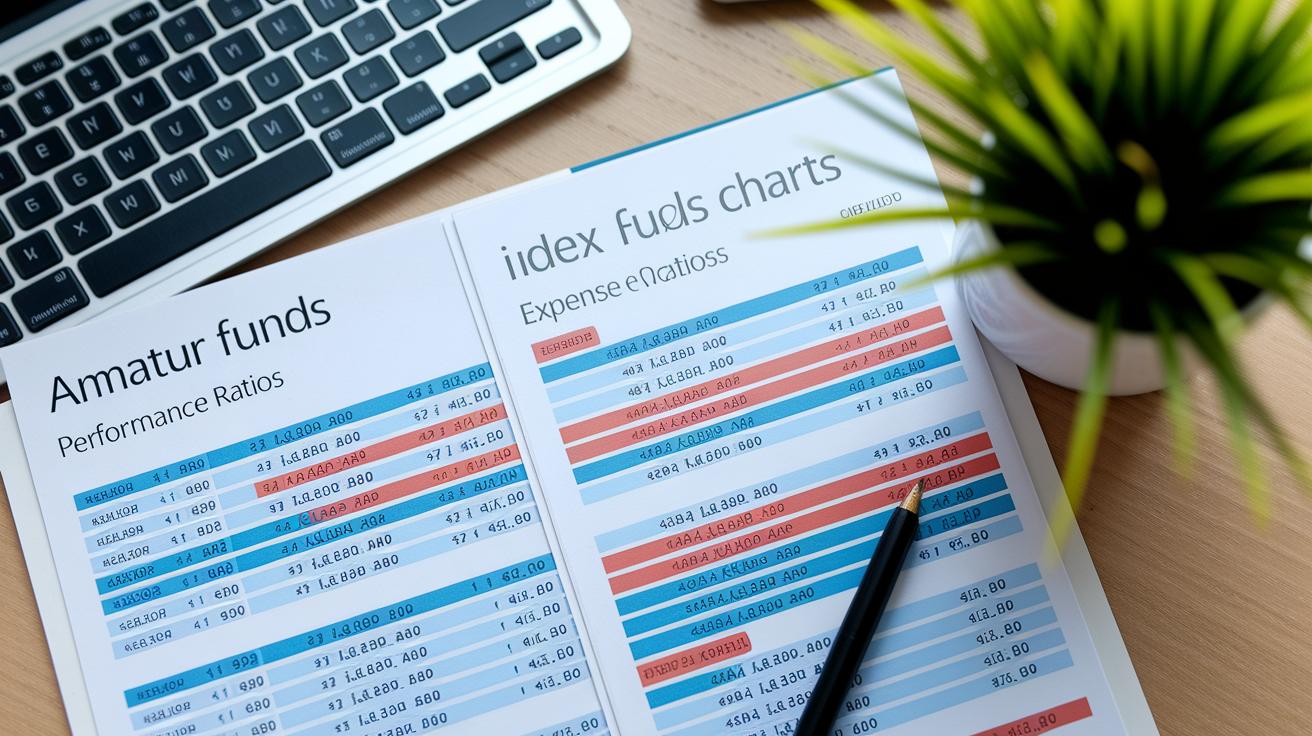
Index funds that cover different parts of the market can give you a nice mix of steady growth and low fees. S&P 500 funds, like Vanguard 500 Index Fund Admiral Shares (VFIAX) and Schwab S&P 500 Index Fund, have shown steady performance over many years. They’re a good pick if you like the idea of budget-friendly investing with a solid history of returns. Think of it like having a dependable friend quietly working in the background.
Then there are Nasdaq funds and bond index funds that add another layer of variety. Nasdaq funds, such as Invesco QQQ and Fidelity NASDAQ Composite Index Fund, focus on fast-moving tech companies and offer attractive dividend yields for that extra income boost. Bond funds, like Vanguard Total Bond Market Index Fund Admiral Shares and Fidelity U.S. Bond Index Fund, are great for bringing in some calm with smart risk management. It’s a bit like balancing a lively tune with a gentle background melody.
| Fund Category | Fund Example | Expense Ratio |
|---|---|---|
| S&P 500 | VFIAX | 0.04% |
| Nasdaq-100 | QQQ | 0.20% |
| Bond Fund | VBTLX | 0.04% |
Looking at these facts side by side makes it easier to see how each type performs in terms of costs and returns. In the end, it all comes down to matching your own investment goals with the right fund focus, whether you're riding the wave of a booming equity market or relying on bonds for steady support.
Step-by-Step Strategy for Investing in the Best Index Funds

Start by figuring out your money goals and getting into some fund research. Think about comparing each fund's cost (expense ratio) and how it has done in the past while you plan for retirement and work to lower your risk. Use digital platforms and automated tools because they make trading low-cost and easy. Dollar-cost averaging (putting in the same amount of money at regular times) also helps lessen the effect of market ups and downs. You might want to invest at times like around 10 a.m. or 3 p.m.
- Research and Compare Funds
- Execute Your Purchase
- Monitor and Rebalance Your Portfolio
Next, once you have a clear view of your options, choose the funds that fit your goals best. Look at how each fund performed over time and check their costs carefully. Using online tools to track your investments can really simplify the process. This plan helps you keep risks low while letting your money grow slowly over time.
Finally, put your plan to work by setting alerts for your ideal trade times and scheduling regular check-ins on your portfolio. Automated tools make rebalancing your investments a breeze so that market changes don't catch you off guard. Stick with your regular investments and tweak your holdings as needed. It’s kind of like taking care of a small garden, regular little tasks help everything flourish. In the long run, this steady effort builds both security and growth in your investment portfolio.
Understanding Fee Structures and Performance Metrics in Best Index Funds Investment

Index funds can be a great way to help your money grow over time while keeping costs really low. For example, the Schwab S&P 500 Index Fund charges only about 0.02% and the Vanguard Total Stock Market Index Fund Admiral Shares is around 0.04%. These tiny fees mean you keep more of your gains, especially when other factors like small tracking errors and bid-ask spread impacts (those extra tiny costs) are kept to a minimum. It really adds up over a long time; even little differences in fees can make a big impact.
• Expense Ratio Comparison
• Tracking Error Assessment
• Dividend Yield Analysis
• Historical Return Evaluation
Low fees and tight tracking can seriously boost your returns, even when markets go up and down. It's a good idea to look at things like dividend yields (the regular payments you get) and past return rates when comparing funds. I always think about how keeping costs down can make your investment work harder for you. These numbers help you see which funds have stayed steady over time, so you can feel more confident about where you put your money.
Future Outlook and Strategic Optimization in Best Index Funds Investing

Even though we've seen a few market jitters lately, like a big 5% drop in just one day for a major stock fund, I still believe the long-run future is bright. Today's index funds let you invest around the world while keeping your money safe. Their built-in mix works like a net that catches you, so you get to join in on broad growth without taking on too much risk. And now, new tools help show us a clearer picture of the market.
Staying flexible is really key in this fast-changing scene. When shifts happen, it helps to try a few simple tricks:
• Regularly check and adjust your portfolio
• Keep an eye on important economic numbers
• Use online automated investment tools
These steps let you change your mix of assets as conditions shift. Real-time insights from smart tools help you make wise moves. This flexible approach makes it easier to catch new trends while keeping your goals in mind.
Looking ahead, many investors are feeling upbeat about future market plans and their impact on index funds. Investing in different parts of the world opens up chances to grow from many areas. Making small tweaks here and there helps keep your gains safe even when the market bounces around. By combining modern techniques with a flexible plan, you build a strong, well-tuned portfolio. It all comes down to staying alert and ready to turn market changes into new opportunities. So, why not act now to build a brighter tomorrow?
Final Words
In the action, you learned how sound strategies in credit and budgeting can help protect your wallet. The article broke down clear steps to compare funds, understand fees, and keep a close eye on market shifts. Each part gave real guidance for applying smart moves and staying ahead. The insights shared make it easy to follow along and take charge of your money matters. Keep in mind that using the best index funds to invest in can really set you up for a strong financial future.

