Have you ever thought that retirement means you stop earning money? Many people believe it's time to slow down, but that can be the perfect moment to start a fun side job that brings in extra cash.
Imagine using all those years of life experience to help others while also giving your wallet a boost. This piece talks about ideas like consulting, selling things based on your hobbies, and tutoring. Each idea shows how you can use your skills to earn a steady income.
Even after you leave your full-time job, there are many fresh ways to do work that feels rewarding and keeps your life lively and fulfilling.
Top Side Hustle Options for Retirees
Retirees can try a bunch of side gigs that mix fun ways to earn extra cash with stable post-retirement income. Think of it like this: you’re using years of real-life smarts to help others while padding your wallet. Consulting, for example, means you can share your experience with new business owners. Imagine a retired manager advising small businesses on ways to save costs, all while earning around $60 an hour.
Then there’s the fun side of turning your hobbies into dollars. You could start an Etsy shop or sell one-of-a-kind crafts on Amazon Handmade. Picture someone who loves woodworking creating pieces for local markets or online buyers. Online tutoring is another rising option since 2020. If you’ve got a knack for math, languages, or science, there are platforms that offer good pay for virtual lessons.
Freelance writing or editing is also pretty popular, with websites like Upwork or Fiverr connecting experienced folks with clients needing quality content. And if you like a change of pace, seasonal work, like part-time gigs during the holidays or at festivals, can bring in extra money along with the chance to meet new people.
Other ideas include hosting on Airbnb for some chill rental earnings or providing pet care services, like dog walking or pet sitting. This lets you mix a love for animals with a bit of light exercise. Each option touches on different skills and interests, so you can pick what fits your lifestyle and money goals.
Assess Your Skills for a Retiree Side Hustle

Have you ever thought about all the skills you gathered during your career? Many retirees carry a deep well of knowledge that can be shared through consulting, coaching, or even mentoring. Imagine a retired executive sitting down with new business owners, sharing the real-life strategies that made a difference in her office. I once helped a small business owner manage his budget, and in just a few months, his profits began to show a clear improvement.
Now, think about your creative side. If you love writing, taking photographs, or translating languages, you might try freelance projects that let you work from home at your own pace. Picture yourself drafting a friendly blog post or capturing the lively scenes at a neighborhood event. I once wrote about a local farmer's market, and it brought people together as others started sharing their own stories.
Here are a few skills you might have:
- Decades of experience in specific industries
- Strong communication and leadership abilities
- Creative talents such as art, writing, or photo editing
Take a moment to reflect on what you enjoy and what could benefit others. When you match your natural strengths with what the market needs, you can unlock side hustles that are both rewarding and profitable.
Home-Based and Remote Side Hustles for Seniors
Retirement doesn't mean slowing down; it's a chance to try new things. Many seniors can sell crafts, old collectibles, or vintage finds online. Sites like Etsy, eBay, and Amazon Handmade let you snap a photo of your item and get it listed fast. You can even create your own website, like your own little online shop where you set the rules.
Freelance work is another fun option. Maybe you remember writing a newsletter or polishing up an article. Now, platforms like Upwork and Fiverr let you use those skills from home in a flexible way.
Online tutoring is growing too. Whether it's math, art, or a language, you can teach online and earn between $20 and $60 an hour. These lessons happen completely over the web, making tutoring both comfy and steady.
Even playing mobile games or taking quick paid surveys on your smartphone can earn you extra cash. A simple tap might bring in small bonuses while you relax.
- Digital work needs a basic gadget like a smartphone or a computer
- Virtual jobs offer flexible hours and a simple signup process
- Startup costs are low, so it's easy on your budget
Each option lets you work from home at your own pace, matching your interests and giving you space to enjoy your day.
Low-Stress, Flexible Part-Time Hustles for Older Adults
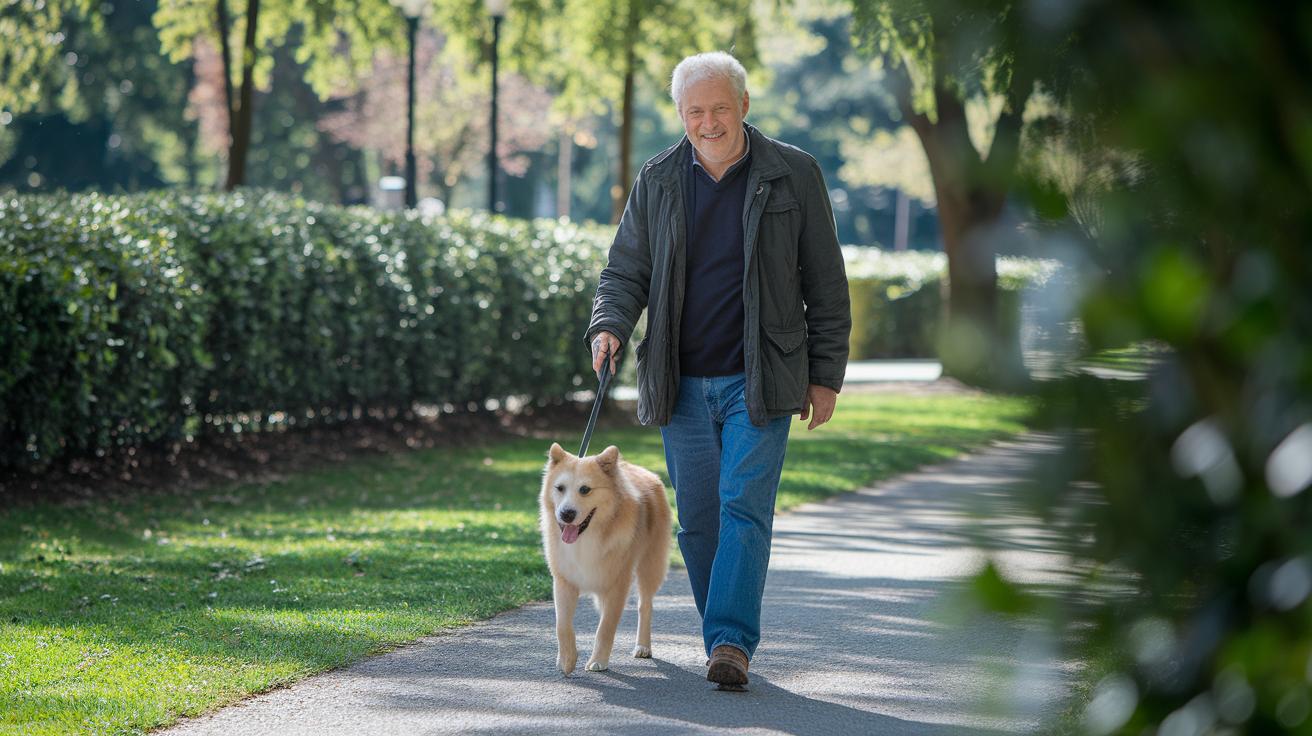
Think about finding gigs that match your pace and let you decide your work hours. Pet sitting and dog walking, for instance, offer a fun way to make a bit of extra cash while enjoying the outdoors. Picture starting your day with a cheerful walk alongside a friendly dog, feeling the crisp morning air and maybe even recalling that one time a lively pup brightened your mood at the park.
Another idea is lending a hand with gardening. If you've got a little gardening know-how, you can help around with lawns and flower beds. Imagine it like giving a neighbor a hand while feeling the soft dirt under your fingers. It’s a nice mix of work and pleasure.
For even more freedom, rideshare driving through companies like Uber, Ola, or Didi could be perfect. This ride option lets you make your own schedule. You might start your shift after a relaxed breakfast and call it a day when the sun goes down.
You can also consider seasonal roles in retail or tourism. These jobs are busy for a short burst, like at a local festival, and then let you enjoy a longer break when things calm down.
- Pet sitting and dog walking get you moving while keeping you company.
- Helping with gardening lets you use your skills and connect with neighbors.
- Rideshare driving gives you complete control over your schedule.
Startup Costs and Earnings for Retiree Side Gigs
If you're retired and looking to bring home a little extra cash, there are plenty of gigs to consider. You might even find one that doesn't break the bank to start. For instance, launching a blog could cost you less than $50 – just enough to cover a simple domain and a bit of hosting. And if you love writing, it might just pay off nicely.
Maybe crafts are more your style. Opening an Etsy shop can be a great choice, costing about $0.20 for each listing plus any materials you need. It’s a fun way to share your creativity without a huge upfront cost.
Then there’s consulting. If you’ve got years of experience, this might be for you. Yes, you might need to shell out between $200 and $500 for some marketing, but then you could earn around $60 an hour sharing all that know-how. And if you're into hospitality, consider hosting on Airbnb. Though you might invest $500 to $1,000 to get your space set up, you could see nightly earnings between $50 and $200 – quite the return if you’ve got the space to spare.
Another idea is online tutoring. You might pay a commission fee of 15% to 30%, but that doesn’t stop you from seeing hourly earnings from $20 to $60. Each of these ideas fits different budgets and skills, so it’s all about choosing what works best for you.
- Blogging is great for a low-cost start and a flexible income.
- An Etsy shop lets you earn on your creative projects with only small fees.
- Consulting and Airbnb hosting might require a bit more money to start, yet they offer the chance for bigger earnings.
| Side Hustle | Startup Cost | Potential Earnings |
|---|---|---|
| Blogging | Under $50 | $20-$60 per hour |
| Etsy Shop | $0.20 per listing + materials | Varies by product |
| Consulting | $200-$500 | $60 per hour+ |
| Airbnb Hosting | $500-$1,000 | $50-$200 per night |
Tax and Pension Rules for a Retiree Side Hustle

When you start a side gig in retirement, tax matters naturally come into play. It might feel a bit tricky at first, but it's a bit like running your own small business. If you're earning extra cash, you could be on the hook for self-employment tax and might need to fill out a Schedule C (a simple form to report your business income and costs). Every sale counts, so jot down each expense and income carefully. Picture selling a handmade item and writing down what you spent on supplies; it makes tax time a lot less stressful.
Extra earnings can also affect your age pension if your benefits depend on how much you make. That means extra money might lower your pension if your overall income goes over certain limits. One retiree said, "I kept a neat log of every sale and it really helped me see how my side hustle was changing my benefits." Funny how a little recordkeeping can make a big difference.
Here are some simple tips to help you out:
- Write down all the money you earn and all your expenses.
- Use the right tax forms, including Schedule C.
- Keep an eye on your total earnings to see how they affect your pension.
By staying organized and maybe chatting with an accountant or financial expert, you can handle these tax rules with fewer surprises. Keep your records tidy, and you'll be able to enjoy your side gig without worrying too much about your pension.
Practical Tips for Starting a Retiree Side Hustle
It’s best to start small. Try a pilot project to see how a side gig fits into your daily life. You might, for example, offer one tutoring session or sell a single craft at a local event to get a feel for what works.
Next, build a referral network by chatting with friends, former colleagues, or neighbors about your new venture. One retiree once said, "I spread the word at my community center and soon enough, referrals started coming in." It’s amazing what word-of-mouth can do.
As you gain confidence, let your side hustle grow gradually. Instead of diving in headfirst, increase your availability little by little. You could add more hours for pet sitting or slowly expand your freelance writing projects as you get comfortable.
If you need to hit a specific income goal, you might combine different gigs. For instance, mixing freelance writing with pet care might just help you earn that extra $1,000 a month.
Also, consider taking advantage of free training options. Courses like a 76-minute proofreading workshop or a Bookkeeper Launch Course can help sharpen your skills and boost your confidence as you move forward.
| Pilot Test Your Ideas | Build a Network | Scale Slowly | Consider Multiple Side Gigs |
|---|
Final Words
In the action, we looked at top side hustles and broke down valuable options like consulting, online work, and pet care. We also worked through assessing skills, keeping initial costs in mind, and managing taxes along the way.
The tips are practical and help make the process less tricky. All these suggestions offer real hope for a side hustle for retirees. Keep moving forward and try something new, there's plenty of room for growth and extra income.
FAQ
What are some side hustle options for retirees online and from home?
The question about online and home side hustles highlights ideas like freelance work, virtual tutoring, and crafting sales on platforms like Etsy. These options allow retirees to use their skills from the comfort of home.
What is the best or perfect side hustle for retirees, especially those wanting high earnings?
The question on the ideal side hustle for retirees points to consulting, online freelancing, or hosting on Airbnb. These options, backed by experience, can offer rewarding income and flexibility.
How can I earn $2,000 a month with a side hustle and which one pays the highest?
The question about earning $2,000 monthly suggests exploring consulting or skilled freelance gigs that often yield higher pay. Retirees can leverage decades of experience to secure better-paying opportunities.
How can I make money at 66 years old?
The question on earning at 66 encourages using one’s expertise in consulting or freelancing. This allows seniors to share their knowledge, work flexible hours, and earn extra income comfortably.
What online platforms can retirees use to find side gigs?
The question regarding online platforms highlights sites like Taskrabbit, Upwork, and Fiverr. These platforms connect retirees with freelance, short-term, and project-based work to suit various skills.

