Have you ever thought that your credit card could actually give you a little bonus back? Imagine grabbing your morning coffee and seeing cash back or travel miles added to your account. Credit card rewards programs (these are bonus offers that let you earn extra benefits) turn everyday spending into a chance to get perks when you pay your bill on time.
In this post, I'll walk you through how these programs work and share some simple tips to help you make every swipe count. Stick around, and you might be surprised at how much your card can do for you.
Credit Card Rewards Programmes Explained

Rewards credit cards give you perks for everyday spending. With these cards, you might get cash back, points, or miles. Imagine paying for your morning coffee and then seeing a bit of that money returned to you. A cash back card usually gives you around 1 to 2 percent on purchases you make. Points cards let you collect credits that you can use for travel or stuff you like. Miles cards work in a similar way by adding travel miles that can help reduce your ticket price or even get you a free flight.
These programs work best when you pay your full balance each month. Paying off your bill in full stops extra interest charges from piling up. For example, if your card gives bonus points for travel but you keep a balance, the interest on new spending can quickly cut into your rewards. It’s a bit like watering a plant: paying on time helps your rewards grow instead of drying out under extra fees.
The rewards are funded by fees that merchants pay, annual fees, and any interest charges on your card. Every time you make a purchase, a tiny fee from the merchant helps keep the rewards system running. You earn a set return for each dollar you spend, and some cards even give you extra rewards when you spend on things like dining or travel. With a smart plan, every swipe of your card can bring you closer to great benefits instead of just adding another bill.
Comparing Types of Credit Card Rewards Programmes
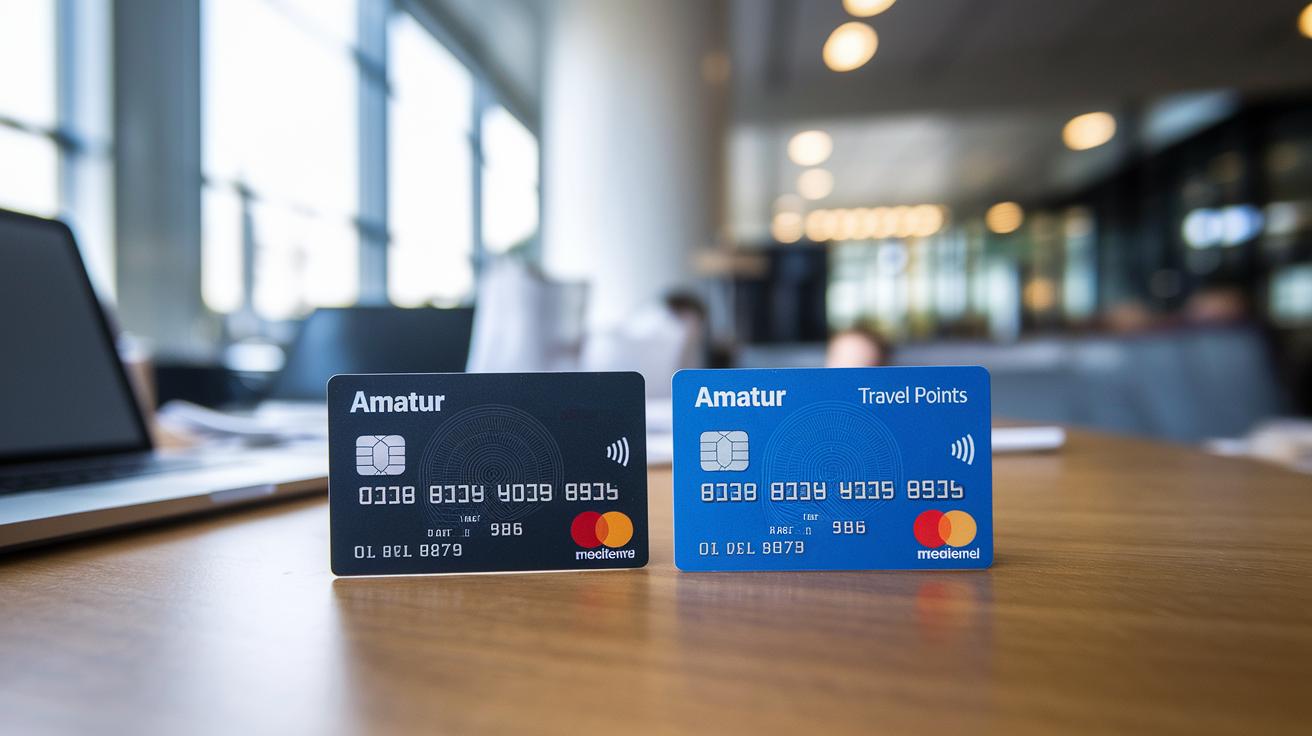
Instead of going over the basics again, let’s chat about how to really benefit from each type. Cash back cards shine when you use them for everyday buys. Points cards work well too, little purchases add up and give you cool perks like statement credits or travel deals. And if you travel a lot, miles cards can help lower your flight or hotel costs over time. For instance, if a flight costs $200 and you need 20,000 points, that comes out to about 1 cent per point. It’s a neat way to see if you’re getting a good deal.
Here are a few expert tips for picking a rewards card:
- Look at fees, interest rates, and the rewards you earn.
- Check when your rewards might expire.
- Work out the real value of your rewards.
| Reward Type | How It Works | Best For |
|---|---|---|
| Cash Back | A fixed return on your purchases | Everyday spending |
| Points | Earn points per dollar spent, redeemable in different ways | Flexible rewards |
| Miles | Accumulate airline or hotel miles | Frequent travelers |
Here's a simple tip: Switch to a card that fits your main spending habit, like using a cash back card for groceries, and watch your monthly savings grow.
Top Reward Structures in Credit Card Programmes
Flat-rate reward structures are super simple. They give you the same rate for every purchase, like getting 2% cash back each time you use your card. It means you always know what to expect. Imagine grabbing a coffee and earning 2% back every time, you know exactly what’s coming.
Tiered structures mix it up a bit. With these, you can earn extra rewards in some spending areas, like getting triple points for dining or travel while still earning a basic rate for other purchases. If you tend to dine out a lot, every dollar you spend can add up quickly with those bonus rewards.
Rotating-category structures change their bonus offers every few months. They might offer 5% back in a specific category for a short period, but you need to activate the deal to get the bonus. It’s like a little surprise bonus on stuff you already buy, just don’t forget to check the deadlines.
Co-branded structures are built in partnership with airlines or hotels. These cards often give you bonus miles, extra points, or perks such as a travel upgrade. This kind of setup is a win if travel is a big part of your life.
Premium cards charge higher fees but come with extra benefits. You might get perks like elite lounge access, enhanced insurance, and even a generous welcome bonus when you sign up. They’re really appealing if you value top-notch rewards and a bundle of extra benefits.
Eligibility and Fee Considerations in Rewards Programmes

Getting approved for a rewards card is not about hitting a secret credit score number. Card issuers check your whole financial picture. They look at how you handle payments, how much income you bring in, and the amount of debt you have. Picture this: you pull up your free FICO Score and review your full credit report to get a clear idea of your financial health. This simple check can show you which cards might really fit your lifestyle.
Credit Score and Approval Factors
Card providers usually do not list a minimum credit score. Instead, they study your overall credit behavior, such as whether you pay your bills on time and if your debt stays manageable. A strong payment history can open the door to better rewards cards. On the flip side, a few late payments might lower your chances. It’s a bit like a school report card for your finances, showing just how reliable you are with money matters.
Annual Fees and Rate Considerations
Rewards cards come with a wide range of annual fees. You might find options with no fee at all, while premium cards could charge $550 or more. Generally, the cards with higher fees offer extra perks and tougher rewards. But the extra cost only makes sense if you regularly pay off your balance so you don’t get hit with high interest rates. Paying your monthly balance is like keeping your bike chain well-lubricated; it helps you avoid extra costs that might chip away at your hard-earned rewards.
credit card rewards programme delights with perks

Getting the most from your credit card rewards is all about spending wisely and paying on time. Paying your entire bill every month is like watering your rewards garden. It stops interest from taking away the benefits you've earned.
Here are a few easy tips to help boost your rewards:
- Always pay off your full bill to keep interest from canceling out your rewards. Think of it like this: if you don't clear your balance, you won't see those extra perks grow.
- Focus your spending on bonus categories with extra multipliers. For example, if travel gives you 3x points or dining gives you 2x, try to make most of your spending there.
- Keep an eye on bonus categories that change every few months. Make sure to activate them before the quarterly deadlines to earn those temporary extra points.
- If you have more than one card, see if you can combine points or transfer them to partners like airlines or hotels. This is like trading your points for a better deal, such as getting about $10 for every 1,000 points on flights.
- Look out for special offers and seasonal deals. Sometimes, these can give you an extra boost, especially during busy shopping times.
- Use online points calculators to check which rewards are the best value before you redeem your points. This simple step can really help you see where your money goes the farthest.
These ideas work together to turn each card swipe into a step toward better rewards and smarter spending.
Comparing Leading Credit Card Rewards Programmes
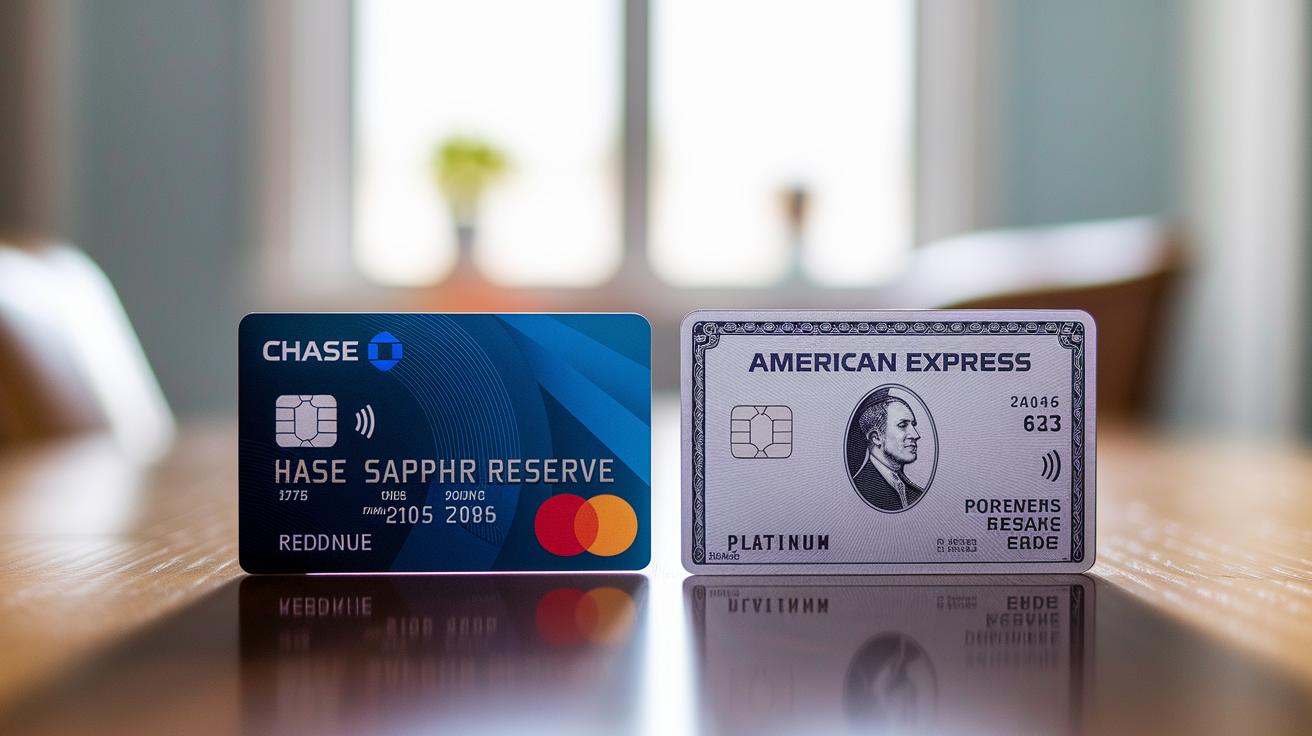
Chase Sapphire Reserve and American Express Platinum are favorites among travelers. In many parts of the U.S., over 90% of travel reward card users choose one of these two. They are known for big bonus programs, plenty of points, and cool extras like travel credits and lounge access. It almost feels like a magic ticket to an upgrade. Have you ever imagined earning points and then getting a free upgrade at the airport?
Ramp's corporate card is making a splash in the business world. It comes with clear expense reports and modern tools to track rewards. This makes it a great choice for companies that need quick, easy-to-read spending insights. Not only does it simplify paying bills, but it also gives rewards for regular business spending. Lots of corporate users really appreciate that.
Co-branded cards, like the ones from Costco or certain airlines, are a hit with people who love partner-only perks. They offer loyalty programs that keep you coming back to familiar brands. Sometimes, these cards even drop the first-year fee or throw in a really good welcome bonus. That extra value can help cover those starting costs.
Each card here suits a different crowd. Some are perfect for frequent travelers chasing premium rewards. Others are built for business users who need smart expense tools, while some work best for shoppers looking for special partner deals. By comparing the main perks and fees, you can find a reward card that meets both your personal and work needs.
Future Trends in Credit Card Rewards Programmes

We are always chasing after rewards that work faster and smarter. Programme managers are shaking things up by changing bonus categories more often and rolling out short-term offers to keep users excited. Imagine a little surprise bonus every few months, a brief time when extra rewards pop up, adding more value to every purchase.
Digital tracking is really changing the game. Today’s apps let you watch your points in real time, making it as easy as checking your phone during a coffee break. Online rewards platforms are speeding up too, giving you quick updates so you can see how your spending turns into rewards. Picture opening your app and spotting an offer to boost your rewards, almost like a friendly nudge right at the checkout.
Looking ahead, AI might soon give bonus suggestions that match your spending habits. Think about a system that dishes out bonus credits instantly when you pay, rewarding you on the spot. New tech like blockchain (a secure way to track digital money) and tokenization could make handling your reward points both safer and more flexible. In truth, future reward systems could be smarter, faster, and a lot more secure than ever before.
Final Words
In the action, this article broke down what a credit card rewards programme is, from cash back offers to points and miles. It showed how paying full balances helps sidestep extra fees and why bonus structures matter for everyday spending. We talked about fee considerations, eligibility factors, and smart tactics to get more from your rewards. Future trends hint at cool tech upgrades and personalized bonus boosts. Every swipe can lead to better savings when you keep these tips in mind. Keep moving forward with a clear, confident approach to your finances.
FAQ
What do credit card rewards comparison charts show?
The credit card rewards comparison chart shows side-by-side differences in reward types. It highlights cash back, points, and miles options to help you choose the right card for your spending habits.
What are the main types of reward credit cards?
The main types include cash back cards, points cards, and miles cards. Each offers rewards based on your spending, with some featuring bonus categories or tiered structures that boost rewards in certain areas.
What is the best rewards credit card if I want no annual fee and positive reviews?
The best choice varies by user needs, but many favor cards with no annual fee and flexible rewards options. Look for cards that offer strong cash back or points while keeping costs low.
Which is the best points credit card for travel?
The best travel points card usually gives bonus points on travel purchases and flexible transfer options to airlines or hotels. It helps frequent travelers earn perks that add real value when booking trips.
What is the 2 3 4 rule for credit cards?
The 2 3 4 rule typically means earning 2 points per dollar on regular purchases, 3 on dining, and 4 on travel. Since details vary, always check your card’s terms for the exact bonus structure.
Are credit card reward programs worth it?
Credit card reward programs can be worthwhile if you pay your full balance each month. They turn everyday spending into bonus points, cash back, or miles, offering benefits when used wisely.
What should I know about the Discover credit card?
The Discover credit card is known for a straightforward rewards program, usually featuring cash back and no annual fee. It’s a solid option for users seeking simple and clear benefits.

