Ever feel overwhelmed by rising bills? Debt forgiveness programs can lend a helping hand by easing your debt load. Imagine a caring friend stepping in to talk with your creditors, helping to lower or even clear what you owe.
For many of us, juggling growing interest and constant stress can feel like carrying a heavy weight. These programs offer a clear plan to lighten that load. With household debt on the rise, exploring your options might just be the fresh start you need.
How debt forgiveness programs work

Debt forgiveness programs help by chatting with your creditors to lower or even wipe out some of what you owe. They usually work with debts that don’t have collateral, like credit cards, federal student loans, and tax bills. Think of it like a friendly mediator who helps lower your bill. Before many people looked for help, they felt swamped by debt that just kept growing with interest until they discovered these kinds of programs.
One program that stands out is the nonprofit Less Than Full Balance Program. It helps credit card accounts that are really behind, about 120 to 180 days overdue, by merging them into one fixed monthly payment. This approach makes it easier to manage your money and sets you on a clear path to being free of debt in around 36 months.
Keep in mind, these programs don’t cover loans secured by property, like mortgages or auto loans. Those loans are backed by something of value, so banks can take the asset if you don’t pay. But unsecured debts put more risk on the lender, which is why they’re more open to cutting your balance. With U.S. households owing nearly $18.04 trillion, it’s clear that lots of people can benefit from this help.
In short, debt forgiveness programs offer a real chance to escape overwhelming debt. They give you a solid plan to pay off what you owe as long as you stick to the new agreement. Just be careful, if you miss even one payment, you might lose the deal and end up owing the full amount again.
Eligibility criteria for debt forgiveness programs

When you explore debt forgiveness programs, you need to show you’re really struggling financially. Lenders want simple proof that money is tight before they agree to reduce what you owe.
For credit cards and other unsecured accounts, your account should be between 120 and 180 days overdue or already written off by the bank. Think of it like a red light that tells you it’s time to negotiate. Imagine missing payments for almost half a year; that might make you eligible for help.
Federal student loan forgiveness has its own rules. You need to be in a qualifying repayment plan (like income-driven plans or Public Service Loan Forgiveness) and have made on-time payments for at least 10 years. It might sound like a long process, but steady effort can really lighten your load over time.
The IRS offers two main ways to ease tax debts. One is the Offer in Compromise, which helps those in deep financial trouble. The other option uses a simple installment plan to make paying off taxes more manageable.
Medical debt forgiveness is available too and usually applies when your debt is more than $10,000. Around three million adults face big medical bills right now, so this option can be a real lifesaver for many.
- Credit card overdue conditions
- Consistent student loan payment history
- IRS hardship and Offer in Compromise requirements
- Minimum balance needed for medical debt forgiveness
Each type has its own rules to make sure that only people with serious money problems get help.
Debt forgiveness programs Spark New Hope

Student loan and tax debt relief have really changed the game for people dealing with heavy debt. Income-driven repayment forgiveness, for example, lets borrowers pay off their student loans over 20 or 25 years. And if you work in government or a nonprofit, there’s Public Service Loan Forgiveness, which makes things a bit easier. To apply, you head over to StudentAid.gov and send in your income details, work history, and payment records. Imagine a teacher who’s been paying reliably for ten years and suddenly sees a clear finish line ahead. It’s like a breath of fresh air.
The IRS also offers similar relief for tax debt. If you’re in a tight spot financially, the Offer in Compromise lets you settle for less than you owe. There’s also a streamlined installment plan that breaks your tax payments into smaller, regular chunks. You need to gather your income proofs and tax history and submit everything through IRS.gov. Think of someone struggling to keep up with everyday expenses who then finds a plan that makes tax payments way more manageable.
These federal programs take the edge off immediate worries and offer a plan that can help you regain long-term financial balance. They do require you to keep good records and stick to the schedule. You need to show steady income and a real commitment to paying what you owe. It’s a relief knowing that a careful review by federal agencies can lower your debt significantly.
- Income-driven repayment forgiveness stretches student loan payments over 20 to 25 years
- Public Service Loan Forgiveness helps government and nonprofit workers clear their loans
- The IRS Offer in Compromise is for those in deep financial trouble
- Streamlined installment plans break tax debt into easy-to-manage parts
State and local debt forgiveness initiatives
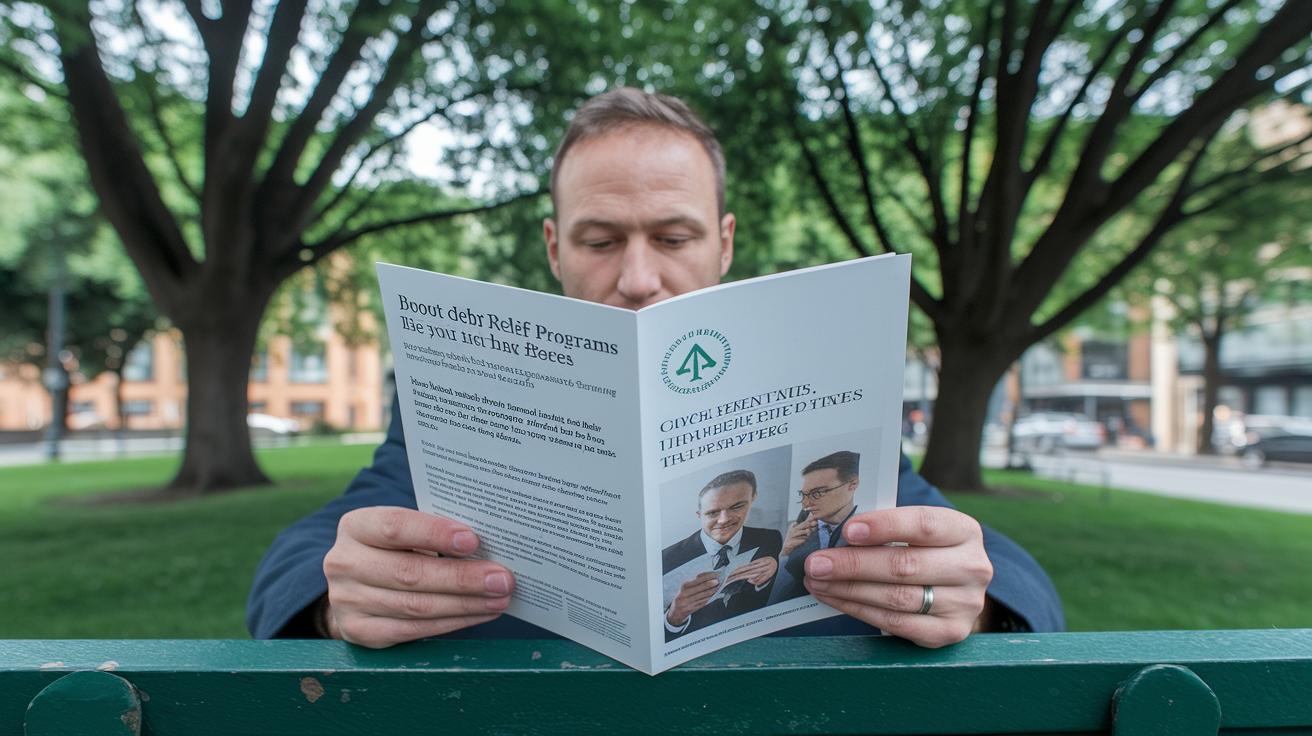
Some states have programs that help ease debt burdens. They might let you skip paying certain tax bills or clear a lien (a legal claim on property) if you’re struggling. In some cities, you might even get a one-time break for overdue parking tickets or unpaid utility bills. Imagine getting a waiver for a month of parking fines, it could really help balance your budget.
Rules can change a lot from place to place. The kinds of debt that qualify, the amount of relief, and the time when you can apply all depend on your state or city. If you’re looking into these options, it helps to check out the local guidelines. Sometimes you may need to show that you’re having a hard time financially or hand in some documents, like recent account statements, to prove that the debt is too much to handle.
It’s a good idea to talk with your local revenue department or city finance office. They’re the best people to explain what programs are available and how you can sign up. By reaching out directly, you can get clear instructions on how to apply, prove you qualify, and make the most of the help offered in your community.
- Explore lien amnesty options
- Ask about local finance waivers
- Read program guidelines carefully before applying
Debt forgiveness programs vs consolidation and settlement

Debt forgiveness programs work by dealing directly with your creditors to lower what you owe. They aim to cut your debt partially or sometimes even completely over about three years. Nonprofit counselors typically guide you through this process, making it seem more personal even though you have to stick to set payment plans. Sometimes your credit score may dip a bit right after you join, but as you keep paying, it usually starts to bounce back. In fact, many people have found a renewed sense of hope when their debt is slashed considerably through these negotiations.
On the other hand, debt settlement is usually run by third-party firms. They try to convince creditors to accept a smaller sum than what you owe. This method often takes around 48 months or more to complete. With extra fees and a bigger hit to your credit score, it can make your financial recovery feel more challenging and take longer.
Debt consolidation takes a different route. Instead of cutting down your total amount owed, it combines several debts into one single loan. Since your overall balance stays the same, you rely on making timely payments to see your credit score improve. Think of it like bundling several bills into one for simpler management.
| Approach | Debt Reduction | Credit Impact | Typical Duration |
|---|---|---|---|
| Debt Forgiveness Programs | Reduces some or all debt through direct negotiation | Mild score dip initially; improvement with consistent payments | About 36 months |
| Debt Settlement | Agrees on a lower balance with creditors | Heavier credit score drop; slower recovery | 48+ months |
| Debt Consolidation | Merges debts into one; no reduction in total balance | Neutral or positive with punctual payments | Varies by loan term |
Steps to apply for debt forgiveness programs

First, take a close look at your finances. Check your debts and find out which forgiveness programs might work best for you. Imagine sitting down with your monthly bills and noticing one credit card is 150 days late. That could be your signal to begin.
Next, gather all the paperwork you need. Get your account statements, proof of income (like your recent pay stubs), tax returns, and any documents that show your student loan status. Think of it like getting ready for a big school project. When everything is in order, the steps become much easier. You might even make a simple checklist: Account statements, check; Income proof, check; Tax returns, check; Service documents, check.
After you have all your documents, submit your application through the right portal. This could be a government website, a nonprofit credit counselor’s site, or another dedicated system. For example, log on to a secure site and upload your income documents and recent account statements. Just be sure to double-check everything is complete before you hit submit.
Once your application is in, follow the payment schedule carefully. Missing a payment can cancel your agreement and bring back the full balance, a bit like skipping a school assignment and seeing your grade drop.
- Check your debts and explore your options
- Collect all needed documents like statements and proofs
- Submit your application through the proper website
- Stick to the payment schedule exactly
Finally, stay in touch with the program administrators. Regular updates and confirmations can help keep you on track and make sure your financial relief plan is running as it should.
Impact of debt forgiveness programs on credit scores

When you enter a debt forgiveness program, your credit score might drop right at the start. Lenders might see terms like "settled for less than full balance" or "paid as agreed," which can lower your score. In fact, a 2022 survey showed many borrowers lost 30 to 50 points in the first few months. But if you keep making on-time payments, you could see your score bounce back by up to 80 points over a few years.
Different repayment plans can affect your score in their own ways. For instance, a program that wipes out a big part of your debt might cause a sharper drop at the beginning. A more gradual rehabilitation plan might not hit you as hard. One expert mentioned, "Review your credit report monthly because every on-time payment builds a stronger credit history." It’s interesting to note that one borrower using a settlement plan saw a 40 point drop at first, but their score steadily improved with regular, timely payments.
These exit solutions show creditors that you're handling your debt responsibly. As your debt-to-credit ratio (how much you owe compared to your available credit) gets better, what once looked like a setback becomes proof of recovery. Before you know it, your consistent record of on-time payments can help rebuild your credit and open up new financial opportunities.
Frequently asked questions on debt forgiveness programs

| Category | Quick Reference Insight |
|---|---|
| Government Programs | There are ways to get help with federal student loans and even tax bills from the IRS. For instance, a teacher on an income-based repayment plan might qualify for student loan forgiveness. |
| Tax Debt Relief Eligibility | You may need to show that paying your full tax bill would really stretch your budget. Basically, your income and assets just aren’t enough to cover it all. |
| Credit Card Debt Forgiveness | If your credit card bills are 120 to 180 days overdue, you might qualify for debt relief. Think of someone working with a nonprofit to settle their past-due credit card debt. |
| Application Process | The process is pretty straightforward. You’ll need to share financial documents like bank statements and proof of income to show you’re really in a tough spot. |
Final Words
In the action, we saw how debt forgiveness programs work and who might meet their specific rules. We touched on federal, local, and community options while comparing these programs against other credit exit solutions. We also walked through steps to apply, looked at how your credit can bounce back, and answered common questions. This guidance can help smooth the path toward a firmer financial footing. Keep positive and take these insights as steps toward a more secure future.
FAQ
What are government debt forgiveness programs and credit card forgiveness programs?
Government debt forgiveness programs, including those for credit cards, work by negotiating with creditors to lower overdue balances. They focus on unsecured debts and may settle for less than what you owe when accounts are significantly past due.
What are the updates on federal student loan forgiveness and Biden’s application process?
Federal student loan forgiveness updates show that eligible borrowers under plans like income-driven repayment or Public Service Loan Forgiveness can apply through official sites. Biden’s application process aims to help qualifying applicants reduce their loan burdens.
Is there really a government debt forgiveness or relief program available?
Yes, government debt forgiveness programs exist. Federal initiatives include student loan and tax debt relief programs that offer debt reductions if you meet specific criteria and follow the program guidelines.
Is going through a debt relief program worth it?
Going through a debt relief program is often worth it if you qualify. These programs can lower your debt significantly and help manage payments, although they may cause an initial dip in your credit score until you rebuild.
How do you get forgiven for debts?
Getting forgiven for debts typically involves enrolling in a program that negotiates with creditors, meeting eligibility criteria, and strictly following payment terms. This process reduces your overall balance as you work towards financial stability.

