Have you ever wondered if cash back cards are better than points rewards cards? Many people are stuck deciding between instant cash and reward points (little tokens you can use for discounts).
In this post, we take a close look at what each option offers to help you pick the one that fits your spending style best. Think of it like choosing between two favorite treats; each one gives a special kind of pleasure.
Let’s clear up the facts and take the guesswork out of choosing your next credit card option.
How to Choose Between Cash Back and Points Rewards Credit Cards

Cash back credit cards are super straightforward. They give you a set percentage back, usually about 1 or 2 percent, on everything you buy or even on certain bonus spots like dining or groceries. For instance, if you spend $100, you might get $1 or $2 back right away as a statement credit, check, or direct deposit. It’s almost like watching a little bonus land directly in your account.
Points rewards cards work in a different way. Instead of handing you cash immediately, you earn points that act like a special currency. Think of it like collecting tokens at an arcade, where every point is usually worth around 1 to 1.5 cents. Later, you can trade these points for travel, gift cards, or even cool merchandise. Sometimes, these cards also offer extra perks like travel credits or lounge access. Just a heads-up though, they might come with an annual fee and need a bit of strategy to really get the most out of them.
- Everyday spender – flat-rate cash back
- Frequent traveler – points rewards with travel perks
- Mixed spender – a hybrid approach using both cash back and points cards
The best choice depends largely on how you spend your money. If your daily purchases include things like groceries and utilities and you enjoy seeing rewards show up instantly, a cash back card might be the way to go. But if you’re often on the move or spending a lot in specific areas, a points rewards card can deliver more value through bonus redemptions and additional travel benefits. In the end, it’s all about matching your spending habits with the rewards that will work best for you.
Understanding Cash Back Credit Cards

Cash back credit cards help you earn a bit of your money back every time you make a purchase. Most of these cards give you one to two percent back on your spending, and some even offer extra rewards when you shop for food or dine out. It feels like you get a small refund instantly.
Getting your rewards is super simple. Each percentage point you earn means you get one cent for every dollar you spend. You can usually choose to see your rewards as a credit on your bill, a direct deposit, a check, or even as a gift card or some merchandise. For example, you might decide to use your rewards to lower your next credit card bill, which makes saving money feel immediate.
Many cash back cards also come with no annual fee. This is a big advantage because you don’t have to worry about extra charges reducing your rewards. In truth, these cards offer clear benefits for anyone who wants to earn instant cash back without the hassle of extra fees.
Decoding Points Rewards Credit Cards

Using your card can feel like a little magic as points start adding up from your very first purchase. Many cards even give extra points for certain buys, like triple points on travel or dining. Imagine enjoying dinner out and collecting three times the usual points. It’s like turning everyday spending into a fun way to boost your rewards.
Figuring out your points’ value is pretty simple. You just divide the cash price of a reward (say, a flight or a gift card) by the number of points required. A good rule of thumb is to aim for at least 1.5 cents per point. For instance, if a hotel stay costs $150 and you need 10,000 points, you’re getting about 1.5 cents per point. This quick math helps you decide if trading your points for travel, gift cards, or merchandise is truly worth it.
Premium travel cards bring along some neat extras, too. You might get a $300 travel credit every year, access to comfy airport lounges, and other special perks. However, these cards often charge an annual fee that can range from $95 to $550. So, if you spend a lot and really take advantage of those bonuses, the higher fee could pay off by giving you extra rewards and making your trips more enjoyable.
Comparing Cash Back and Points Rewards Values

Let's dive into some simple examples to see how different rewards cards really measure up. Imagine spending $1,000 each month or $12,000 over a year. These numbers help us see exactly how rewards can build up over time.
| Spending scenario | Cash Back Value | Points Reward Value |
|---|---|---|
| $1,000/month | $15 | $22.50 |
| $12,000/year | $180 | $270 |
These numbers show that if you use points rewards smartly, you can get more value. For every $1,000 you spend, a points card might return about $22.50 whereas a cash back card gives you around $15. Over a year, that means you could earn $270 with points instead of $180 with cash back. So if you plan to spend a lot and love travel rewards, points cards could be the better choice, even after thinking about any extra fees or bonus deals.
Pros and Cons of Cash Back vs Points Rewards Cards
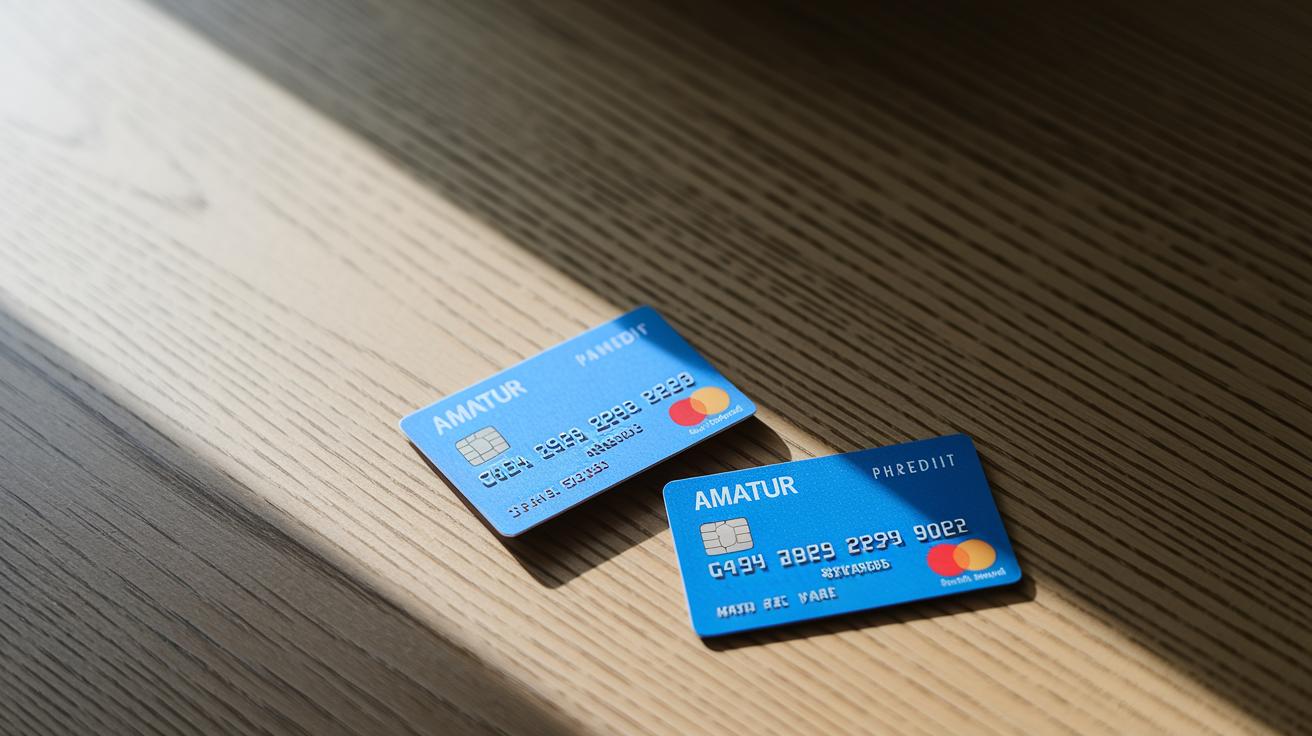
Cash back cards are really straightforward. They give you a fixed percentage of your cash back on every purchase, so you see your rewards right away. It’s a lot like collecting spare change that slowly grows over time. One expert even said, "It's like getting a bonus every time you shop." This makes cash back perfect for everyday use and gives you rewards that feel like actual cash in your pocket.
But, cash back cards may not be the best if you spend a lot and are looking for extra benefits like travel or dining rewards. They have limits that sometimes make you wonder if you’re missing out on something better. Some folks feel that the simple cash rewards don’t quite cover the costs of premium perks later on.
Points rewards cards, on the other hand, cater to those who love extra travel perks and bonus multipliers. They let you swap your points for rewards like travel credits or special benefits. Think of it like earning tickets at a fair: if you use them wisely, you could end up with rewards that beat standard cash back.
Yet, points rewards cards can involve some tricky math and strict rules. You need to keep track of how much your points are worth and when they expire, and sometimes the higher fees can reduce what you actually earn. It’s a good idea to consider your spending habits to see if having this flexibility is really worth the extra effort.
Best Use Cases for Cash Back vs Points Rewards Credit Cards

When it comes to picking a rewards card, it's not just about what you spend. It’s also about your lifestyle and who you are. Think about your age, job, and daily habits, these can all guide you toward the best rewards card.
Frequent Travelers
If you’re often on the go, a points card might be your best friend. They offer travel credits, lounge access, and even the chance to transfer points to airline partners, all of which can help trim your travel bills. Picture a sales rep who earns triple points on flight bookings, turning each trip into extra savings. You might even hear someone say, "I once scored a free lounge visit on a gloomy day, and it made a long layover much more bearable." This kind of card fits people who face travel expenses a lot.
Everyday Spenders
For those who spend most of their money on groceries, gas, and utility bills, a cash back card is often simpler. With these cards, you get a direct return every time you make a purchase. Imagine a busy parent who loves a flat-rate cash back, it’s clear and straightforward when you see the rebate at checkout. Even a quick thought like, "If you earn 1.5% cash back at the pump, your monthly gas spend really adds up," shows how predictable rewards can ease monthly budgeting. This way, there’s no guessing game about what you earn back.
Balanced Spenders
Then there are folks who have a bit of everything. They deal with everyday costs but also have some big expenses once in a while. For these people, pairing a cash back card with a points card might be the answer. Consider a teacher who uses a cash back card for weekly groceries and a points card for an annual vacation. This mix lets them enjoy predictable rewards for daily needs and also save up for a special getaway. It’s a smart way to cover both routine and big-ticket spending.
Final Words
In the action, we looked at how each reward type works. We explained how cash back offers quick, steady returns while points reward cards require a bit more planning for maximum value.
We compared simple examples, weighed pros and cons, and mapped out strategies for all types of spenders. Whether you favor simplicity or travel perks, cash back vs points rewards credit cards ultimately come down to your spending style.
Enjoy making your best choice for financial stability.
FAQ
Q: What are the best cash back credit cards?
A: The best cash back credit cards offer simple structures with flat-rate returns and bonus categories. They let you earn a fixed percentage back on purchases without complicated conversion steps.
Q: How does a points vs cash back calculator work?
A: A points vs cash back calculator compares the value of accrued reward points against a fixed cash percentage return, showing which option delivers higher benefits based on your spending habits.
Q: How do points rewards and cash back compare, like in discussions on Reddit?
A: Discussions indicate that points rewards provide flexible redemption options and travel perks, while cash back gives a straightforward, immediate return. Your spending style plays a key role in choosing one over the other.
Q: Is 3x points better than 3% cash back?
A: Comparing 3x points and 3% cash back depends on how much each point is worth. If your points convert to more than 1 cent each, they might provide better value, especially if you travel often.
Q: What are the advantages of travel credit cards versus cash back cards as seen on Reddit?
A: Reddit users observe that travel cards offer perks like lounge access and travel credits, while cash back cards simplify rewards with fixed earnings. Your personal spending and travel frequency are important factors to consider.
Q: What are the top cash back credit cards for 2025?
A: The top cards for 2025 feature competitive bonus categories, flat-rate returns, and minimal fees. They are designed to meet the everyday spending needs of consumers with straightforward redemption options.
Q: Is it better to use points rewards or get cash back?
A: Deciding between points rewards and cash back mainly depends on your spending habits. Points are best for those who travel and seek flexible rewards, while cash back is ideal for straightforward savings on everyday purchases.
Q: Should I get a cashback or rewards credit card?
A: Choosing between a cashback or rewards card depends on your daily spending. Cashback cards offer immediate savings with fixed returns, whereas rewards cards accumulate points best used for travel or special redemptions.
Q: What’s worth more, cash back or points?
A: The value of cash back versus points depends on the card and how you redeem rewards. Cashback gives a fixed return, while points can be more valuable if strategically redeemed for travel benefits.
Q: What is the difference between rewards and cash back cards?
A: Rewards cards let you earn points that can be redeemed for travel and other benefits, while cash back cards offer a steady percentage return on all spending, providing instant savings without conversion steps.
Q: Which issuers offer notable cashback and rewards options?
A: Major issuers like American Express, Capital One, Discover, JCB, Mastercard, and Visa offer a range of cashback and rewards cards tailored to meet different spending patterns and lifestyles.

