Ever thought work could be both fun and flexible? Gig jobs (short-term work assignments) let you pick projects just like choosing your favorite ride at a fair.
Over 70 million Americans are already enjoying the freedom of setting their own schedules. Instead of feeling stuck in a strict daily routine, you get to decide how your work fits into your life.
This article explains how these flexible, rewarding gigs can change your career and give you the freedom to work your way.
Navigating Gig Economy Jobs: An Overview of Opportunities
Gig economy jobs are about picking up small projects instead of being stuck in a regular full-time job. It’s like planning your day at a local fair, you choose the rides that fit your mood and schedule. Right now, over 70.4 million Americans work this way, and experts say that number will likely grow by about 16% in the next decade. With global earnings at around $556.7 billion in 2024 and a prediction to reach $2.15 trillion by 2033, it’s clear that more people are looking for work that fits into their lives rather than forcing them into a strict routine.
One of the coolest parts of gig work is the freedom it offers. You get to decide when you work and where you work from, which puts you in the driver’s seat. In fact, 77% of gig workers say that keeping a good balance between work and their personal life is super important. They love the mix of different projects because it keeps things interesting and often sparks creativity. Imagine it like putting together your own favorite playlist, you mix work tasks with little moments of passion.
| Benefit | Description |
|---|---|
| Own Schedule | You decide when to work |
| Diverse Projects | Work on a variety of tasks |
| Anywhere Work | Do your job from nearly any place |
The gig model lets you control how much work you take on, which often boosts your motivation and performance. It’s a flexible option that works well in our fast-paced world, letting you create a career that matches your personal style and goals. Isn't it great to have a job that fits right into your life?
Jobs in the Gig Economy: Flexible, Rewarding Work
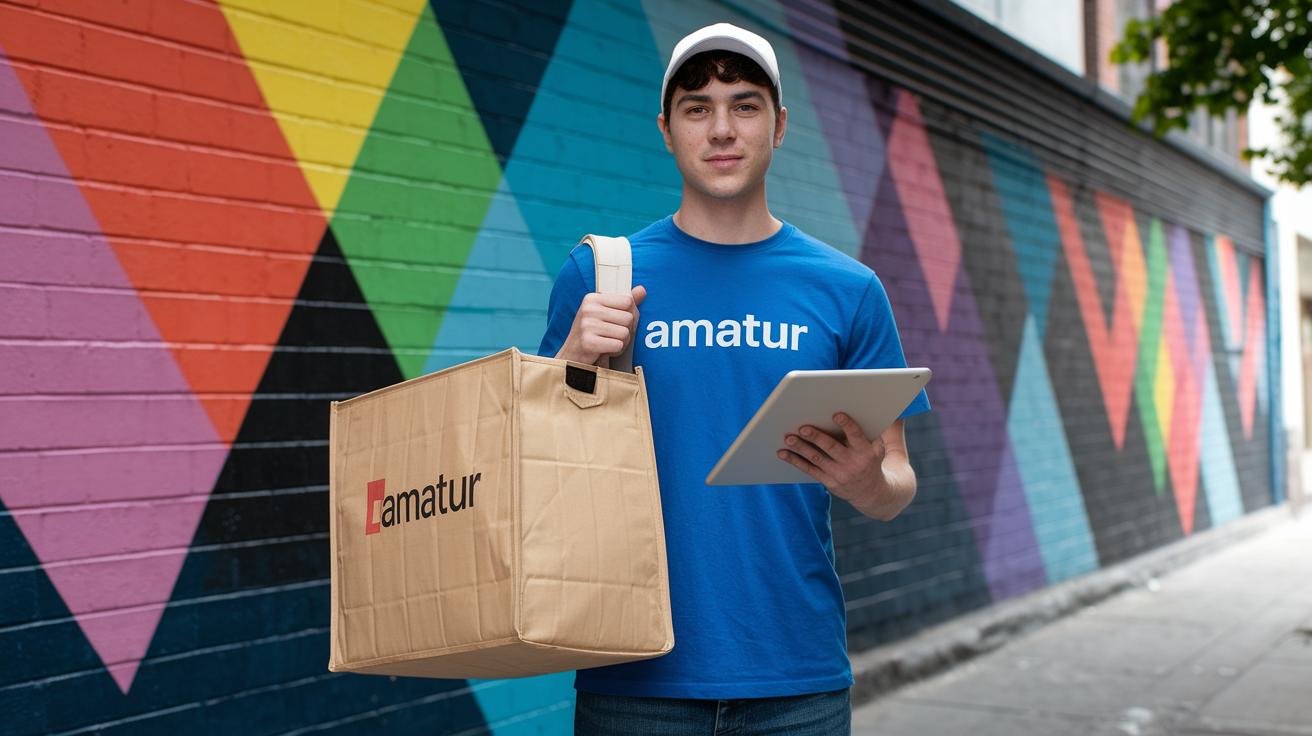
Gig work is like a big buffet of different jobs. It’s not just about ride-sharing anymore. Nowadays, you can grab opportunities in food or grocery delivery, making parcel drop-offs, tackling odd jobs, and even lending your skills in IT, finance, healthcare, or marketing. Think of it like a menu where you pick what fits your talents and schedule. For example, a freelance graphic designer might spend the morning creating digital art and then take on small delivery gigs in the afternoon when the creative projects slow down. Fun fact: before digital freelancing took off, many creative folks were stuck in a 9-to-5 office, only to later discover how great it feels to set your own hours.
Short tasks like virtual assistance or micro-jobs offer fast work turnaround, so you get to try out different roles. Delivery driving and ride-sharing remain strong choices because they offer quick rewards and a chance to meet new people. And creative gigs like photography or graphic design allow you to turn your passion into profit while keeping work fresh and exciting.
Here are some key gig opportunities to consider:
| Gig Type | Description |
|---|---|
| Task-based Services | Jobs like food and grocery delivery that offer quick shifts and steady demand |
| On-demand Roles | Parcel or item delivery jobs with several pick-ups and drop-offs in a day |
| Digital Side Gigs | Part-time tasks from virtual assistance to freelance consulting that fit tight schedules |
| Delivery Driving | Steady work for those who enjoy being on the move |
| Creative Work | Opportunities like photography and graphic design that mix art with flexibility |
These gigs give you the freedom to set your own pace, adjust your workload, and even blend multiple streams of income into one flexible career.
Top Digital Platforms for Gig Economy Jobs
Digital platforms have really changed the way folks pick up flexible work. Lots of popular apps let you do ride-sharing, deliver food or groceries, move parcels, find freelance gigs, and even rent out stuff like vehicles or spaces. Many of these apps pay more than the minimum wage, and some grocery delivery services let you earn a bit extra by doing different steps in one job. Nowadays, cool AI tools (smart computers designed to help) quickly match your skills, free time, and location with the best gigs. For example, one app can pair someone who knows photography with creative marketing gigs in just a few minutes.
If you take a close look at your options, you’ll notice that many apps now have review ratings, job feedback, and even extra training lessons. This lets you read what other users think, weigh up the features, and pick the one that best fits your schedule and money goals. It almost feels like picking your favorite ride at the fair, making the whole process a lot easier.
| Platform Type | Description |
|---|---|
| Food Delivery | Offers tasks that pay above minimum wage with options to earn more through multi-step work |
| Grocery Delivery | Helps boost your income by mixing pick-up and delivery jobs |
| Parcel Delivery | Focuses on moving several packages efficiently |
| Freelance Marketplaces | Connects skilled professionals to short-term, project-based work |
| Asset Rentals | Lets you earn extra by renting out your car, home, or other items |
Earning Potential and Compensation Models in Gig Economy Jobs

Gig work lets you set your own rates and get extra payment for extra work, which sometimes means you might earn more than a regular hourly job. It gives you the power to control your income, and when demand is high, you might snag a gig with a really good rate. For example, a freelance consultant might charge extra when a client needs something done quickly. Imagine doubling your usual fee for a rush job! Still, not every assignment pays like a standard hourly rate. Some gigs may not pay as well because of processing fees or lower market demand.
Gig earnings can be a bit like a roller coaster, one day giving you a bunch of good assignments and another day offering lower-paying work. Plus, gig workers have to deal with a 15.3% self-employment tax on net earnings. Experts usually suggest saving about 25 to 40% of your earnings for taxes so you don't get caught off guard later. In truth, it pays to budget carefully and set aside a bit from each payment.
By 2025, gig workers are expected to make up almost half of the U.S. workforce, bringing along plenty of opportunities mixed with some challenges. More workers mean more competition, but also a larger market for specialized gigs.
| Aspect | Details |
|---|---|
| Rate Flexibility | You get to set your own fees and adjust them based on demand |
| Variable Earnings | Your income might swing higher or lower than a regular hourly wage |
| Tax Obligations | A 15.3% self-employment tax applies; save about 25-40% for taxes |
Pros and Cons of Pursuing Gig Economy Jobs
Gig work gives you a lot of freedom and lets you set your own hours. You can work wherever you like, whether that's from home or your favorite local coffee shop. It also opens up chances to try different projects that might spark creativity and add a sense of satisfaction. Imagine waking up without an alarm clock and choosing the pace of your day.
On the flip side, many gig jobs don't come with the usual benefits, like health insurance, retirement plans, or even paid breaks. Looking for new gigs when work slows down can be pretty stressful and sometimes lonely. Then there's the paperwork and tax stuff; you'll need to handle quarterly filings and pay self-employment taxes on your earnings, which can add extra hassle.
So, when you weigh up gig work, you're really balancing the excitement of flexible hours and control over your day against the challenges of unpredictable income and limited perks.
- Flexibility in setting your schedule and choosing where to work
- A lack of traditional employee benefits and community support
- Uneven income and additional tax duties
Getting Started: Tips for Success in Gig Economy Roles

If you're looking to thrive in the gig world, start with a simple plan and good organization. Having a solid online profile can open doors to projects that really match your skills. You can build a neat online portfolio that highlights your best work. For example, if you’re a freelance writer, share a few samples along with some client praise. It’s like creating a modern business card that clearly shows off your talent.
Next, keep your projects running smoothly by using digital tools like scheduling apps and time trackers. These tools help you meet deadlines and balance several gigs at once. Imagine your digital calendar giving you a friendly nudge when a deadline is near, almost like a personal assistant organizing your day.
Here are some tips to get you started:
- Build a clear online profile with examples of your work and client feedback.
- Use scheduling tools to set aside work time, stick to deadlines, and leave room for client calls.
- Join online groups or local networks where freelancers share tips, referrals, and support.
- Look into new staffing agencies along with traditional gig platforms to expand your client base.
Chatting with other freelancers can also give you valuable insights into landing regular work. Sometimes, you might even get a referral that leads to more gigs. With a bit of planning, digital organization, and active networking, you'll be well on your way to a flexible, rewarding solo career.
Navigating Legal, Tax, and Regulatory Aspects of Gig Economy Jobs
Gig workers get a lot of freedom, but they also have to handle some pretty strict rules about taxes and the law. They need to file an annual tax return and make quarterly estimated payments. That includes a 15.3% self-employment tax on what they earn after expenses. Imagine a freelance photographer setting aside a bit of every paycheck, kind of like saving a part of your allowance, so there are no shocks when tax time comes.
It’s important for federal and state rules to correctly classify gig workers to avoid messy lawsuits and fines. Think about it like following a simple recipe, if you miss a step, the end result can be a real disaster. Many independent contractors turn to expert staffing agencies for help with meeting local law requirements. This not only protects their rights but also keeps legal troubles at bay.
There are some positive changes on the horizon for gig workers. By 2025, we might see improvements that lighten the tax load and boost protection against workplace risks. So, keeping up with these legal and tax rules is essential if you want to avoid any slip-ups that eat into your earnings.
| Requirement | Description |
|---|---|
| Tax Filings | Annual returns and quarterly estimates with a 15.3% self-employment tax |
| Worker Classification | Correctly determining work status to steer clear of fines and lawsuits |
| Compliance Resources | Using staffing agencies and legal advisors for staying on the right side of the law |
Future Trends and Innovations

Hybrid staffing models mix regular roles with contract gigs. Businesses now combine steady in-house teams with expert freelancers to stay nimble when market needs shift. One manager once said, "I hired a freelance IT analyst for a critical project, and it really sped things up." It might surprise you to learn that a small business boosted its project speed by 20% just by blending core staff with specialist freelancers.
Freelancers are now building diverse portfolios with short-term gigs and part-time roles in rising fields like tech support (help with computer issues) and digital marketing (promoting products online). This strategy lets workers design careers that fit their lives, while companies enjoy the flexibility needed to jump into new projects.
| Trend | Benefit |
|---|---|
| Hybrid Staffing Models | Quick adaptation and streamlined project management |
| Specialized Gig Portfolios | More personal career paths and a broader market reach |
- Mixing stable jobs with on-demand gigs opens up creative and specialized roles.
- Both companies and freelancers win big by embracing these fresh staffing strategies.
Final Words
In the action, we explored a fresh look at flexible work options, breaking down what gig jobs are and how they let you choose your own hours. We talked about the wide range of roles, online platforms, potential earnings, and even covered tips for success while keeping risks in mind.
Each topic showed that smart planning can turn jobs in the gig economy into a win for your wallet. With proper strategies and a bit of creativity, you can build a budget-friendly future that feels secure and positive.
FAQ
What are some of the highest paying gig economy jobs?
The highest paying gig economy jobs often involve specialized skills like IT consulting, graphic design, or finance consulting. They can command premium rates, with earnings varying by expertise and market demand.
Which of these aspects would be considered an advantage of gig employment?
Gig employment offers benefits such as flexible scheduling, location independence, and the freedom to choose projects. This setup helps improve work-life balance and adapts to your personal rhythm.
What gig economy jobs can you do from home?
Gig economy jobs you can do from home include freelance writing, graphic design, virtual assistance, and data entry. These roles allow you to work remotely while enjoying flexible hours.
What are examples of gig economy jobs and which kinds of gigs are available?
Examples of gig economy jobs include ride-sharing, food delivery, freelance marketing, and creative projects like photography. These gigs range from on-demand service roles to specialized freelance work.
Which digital platforms offer gig economy opportunities?
Digital platforms for gig work include apps for ride-sharing, food delivery, and freelance marketplaces. They use smart matching to align your skills with short-term projects and help you find gigs easily.
How can someone find work in the gig economy?
Finding gig work involves building a strong online profile, signing up on multiple gig apps or websites, and engaging with online communities to connect with potential clients and access new projects.

