Have you ever thought about celebrating the holidays without spending too much money? With rising prices, planning for gifts, travel, and festive meals can feel really tight. Picture yourself setting aside just the right amount of cash for each treat, knowing every dollar is well spent. This guide shares a easy plan to check your income, save a bit every month, and use your money wisely. Ready to enjoy smarter celebrations without worrying about money? Let’s explore how a little plan can turn a small budget into a joyful season.
Getting Started with Holiday Budgeting on a Limited Income
Holiday expenses seem to be rising fast. This season, the average Canadian is spending about $1,478, a 10% increase from last year. Many of us feel the pinch as we try to cover gifts, travel, food, and festive outings. In fact, only 47% of people plan ahead. That’s why having a simple, honest budget is so important. A good plan can help you manage any surprise expenses and still enjoy a festive season.
-
Review Your Monthly Income and Fixed Expenses
Begin by writing down your income and all your must-pay bills, like rent, utilities, and basic groceries. This helps you see what cash is left for the holidays.
Example: Write down everything, even those little bills, to find areas where you can save. -
Figure Out What You Can Spend on Extras
Once you cover your fixed bills, check how much money you have left. This leftover is the starting point for your holiday spending plan. -
Build Your Holiday Savings
Multiply the amount you can save each month by the number of months until the holidays. Even small monthly savings will add up over time.
Example: Setting aside $50 each month for 10 months gives you a holiday pot of $500. -
Divide Your Savings into Categories
Split your total savings across gifts, meals, travel, and home decor, and add about a 10% extra as a safety net for unexpected costs. -
Keep Track of Your Numbers
Jot down your figures in a spreadsheet or notebook. This way, you can see if you’re sticking to your plan or if you need to make any changes.
Starting early is key. Once you set up your plan well ahead of time, you can avoid last-minute money troubles and enjoy a more relaxed and thoughtful holiday season.
Allocating Funds Across Holiday Categories with Limited Income
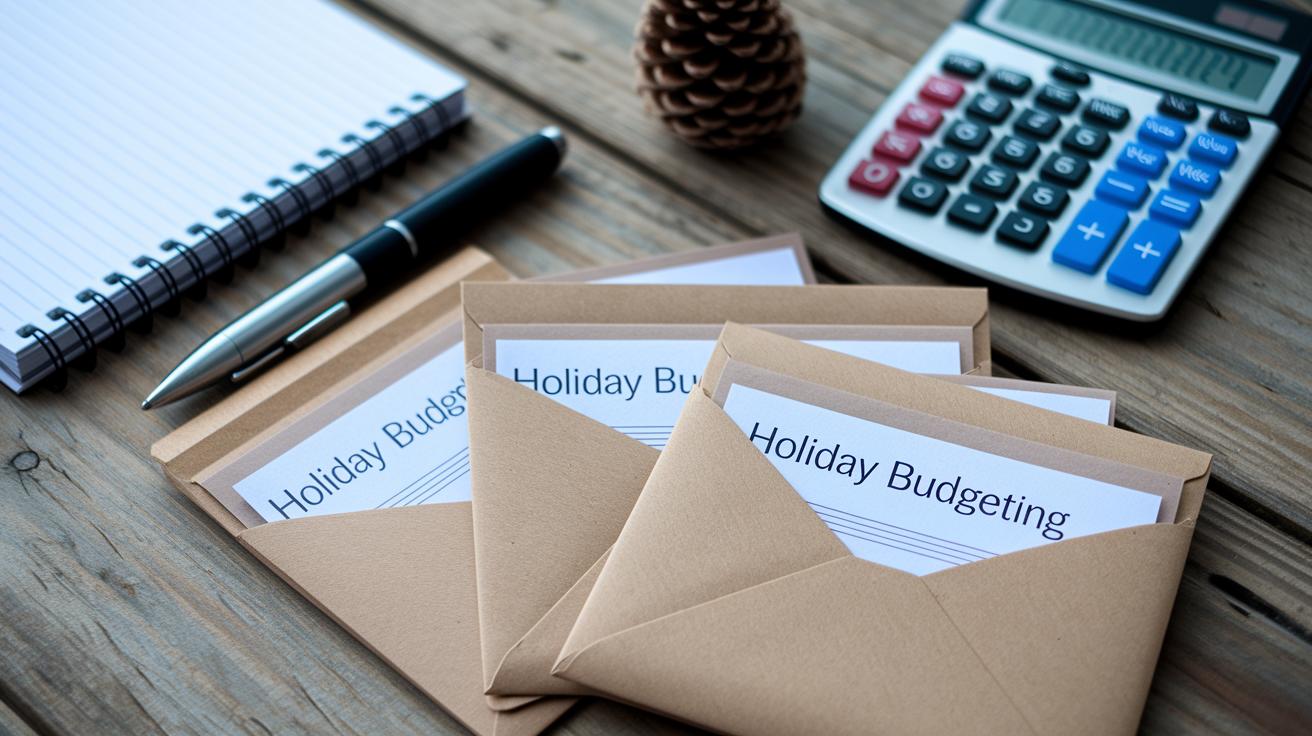
When you split your holiday money into clear parts, you can steer clear of overspending and keep your season relaxed. It’s like laying out little piles of cash for different needs so you know exactly where it goes. One neat trick is the envelope method: grab a few envelopes and label them for gifts, food, travel, and even one for any surprise costs.
| Category | Percentage |
|---|---|
| Gifts | 40% |
| Food & Drinks | 25% |
| Travel & Lodging | 15% |
| Decorations & Entertaining | 10% |
| Flex Buffer | 10% |
These numbers are just a guide to help you balance your spending. Say visiting family is your top priority; you might want to shift a bit more money toward travel and cut back elsewhere. You can always tweak things based on what you’ve learned from past seasons. It’s all about keeping a clear view of your cash and planning it out to suit what you really need.
Breaking your holiday dollars into these spots makes it easier to stick to your plan. This way, you have less to worry about and more time to enjoy the season.
Creative and Cost-Savvy Gift Planning on a Limited Income
When you start planning your gifts early, you really take charge of how much you spend during the holidays. By shopping ahead and picking gifts that feel special, like a handmade present or spending time together, you can keep your costs down without missing out on the warm, fuzzy feelings. Plus, planning early means you catch those early-bird deals before prices go up, which helps stretch your budget even further.
Here are some fun ideas:
- Homemade baked treats or homemade jams.
- A custom photo frame or a simple photo album.
- A DIY coupon book that offers little favors like babysitting or a quick car wash.
- Organizing a group gift, like a fun escape room visit or a laid-back movie night.
- Finding cool vintage items at a thrift store and giving them your personal touch.
- Printable wall art or a handy calendar you can decorate yourself.
And try pairing these plans with smart spending habits. For example, using a credit card that offers cash back means every thoughtful purchase can actually put money back in your pocket. That way, each gift you choose helps you enjoy the season a bit more, without throwing your budget off track.
Budget-Friendly Festive Meals and Gatherings on a Tight Budget

Holiday meals can quickly become a big part of your budget, sometimes using up 25-30% of your total holiday money. Even if your meals start off simple, putting together a holiday feast can add up fast if you aren’t watching your spending. With grocery prices creeping up, especially for fresh produce and treats, planning ahead really pays off. It’s smart to pick recipes in advance, shop in bulk, or stick with store brands. Small tweaks in your menu or hosting a potluck can mean big savings, sometimes cutting costs by more than 40% per serving.
| Dish | Est. Cost/Serving | Cost-Saving Tip |
|---|---|---|
| Roast Chicken | $2.50 | Buy a whole bird on sale |
| Vegetarian Casserole | $1.80 | Use veggies in season |
| Potluck Dessert | $1.20 | Ask guests to bring a dish |
| DIY Hot Cocoa Bar | $0.90 | Buy ingredients in large packs |
A potluck is a great idea because it spreads out the work and the cost. When everyone brings something, the burden lightens for each host, and it makes the celebration feel extra friendly and communal.
DIY Decor and Inexpensive Atmosphere for Holiday Festivities
It's really smart to reuse decorations from past celebrations. Not only do they bring a festive vibe to your home, but they also keep your budget happy. You can grab decor from last year or add simple items from nature like pinecones and fresh greenery to give your space a brand-new feel without spending too much.
Try adding a few crafty, personal touches, too. Making your own paper snowflakes or setting up LED tea lights (little battery-powered lights that look like candles) can lower your new supply costs by almost 70%. Pretty cool, right? These neat ideas help keep unexpected spending in check while adding a warm, personal touch to your holiday decor.
- Pinecone and ribbon centerpieces
- Handmade paper garlands
- LED tea lights in painted jars
- Upcycled fabric bunting
- Wall displays with branches and ornaments
It's also a great idea to track your spending on both new and reused items. A simple checklist can show you what you already have and what you still need to buy, which stops any impulse purchases. For example, you might write down, "Use extra pinecones from last fall with new ribbon to create a centerpiece." This way, you stick to your budget and still enjoy a thoughtful, inviting holiday atmosphere.
Thrifty Travel and Economical Event Logistics for Holiday Gatherings

Even if your holiday budget is really tight, you can still create smart travel plans and fun events without spending a fortune. A few simple tweaks, like booking your trip early or picking local spots, can save you a lot of money. When you plan your travel carefully, you free up extra cash for other celebrations.
-
Set fare alerts and book off-peak travel
Keep an eye on price drops and choose days when fares are lower. These early moves can really cut your travel costs. -
Organize family carpool or group bus rentals
Sharing rides with family or friends makes long trips easier on your wallet. It’s a great way to save money and enjoy the journey together. -
Choose free or low-cost venues (parks, community centers)
Instead of splurging on expensive rentals, try local spots that bring a festive vibe without a hefty price tag. -
Remain date-flexible to avoid peak-season surcharges
A slight change in your travel or event date can help you dodge those high-season fees that add up quickly.
Building some flexibility into your travel plans is a smart trick to squeeze even more savings from your holiday budget.
Tracking and Adjusting Your Holiday Budget in Real Time
Keeping track of what you spend while the holidays are coming up can really help. When you watch your money in real time, you know exactly what every purchase costs and can change your plan right away. I know it isn’t always easy to stick to a budget, so checking in on it regularly can stop surprises from popping up and breaking your plan.
A simple trick is to use the envelope system. This means putting your cash into different colored envelopes for each spending area. It’s like having little jars labeled for groceries, gifts, or fun outings so you can see what you have left at a glance.
Here are some ideas to try:
- Do a budget check every week.
- Write down what you spend after each purchase.
- Move extra money from one category to another if one has too much or too little.
- Use free spreadsheets or apps to keep things neat.
- Compare your bank statements every month.
By using these simple steps, you can catch small mistakes before they turn into big problems. Adjusting your plan as you go helps you stay in charge, even when unexpected costs show up. And sometimes, you might have to change your spending plan a little bit, just like shifting pieces in a puzzle, to keep your holiday season relaxed and stress-free.
Building Year-Round Savings and Supplemental Income Strategies

Saving a little bit each week can really lower stress during the holidays and open up more fun options later on. Even setting aside $20 every week adds up to about $1,040 by next November. This simple habit stops those last-minute money scrambles and helps you enjoy the season without worrying about cash.
-
Set up automatic transfers to your holiday fund
When you schedule a fixed amount each week, saving becomes almost effortless. -
Look into one online side hustle that fits your routine
A small gig can bring in extra cash without taking up too much time or energy. -
Check your progress each month and adjust your savings if needed
Regular reviews keep you on track and allow you to fine-tune your plan as you go.
Taking a moment to jot down what worked (and what didn’t) this year can make planning next year’s budget much easier and stress-free.
Final Words
In the action, we broke down key steps from setting up a clear plan by reviewing your income and expenses to splitting funds for gifts, meals, and travel. We covered smart gift ideas, creative décor, economical travel, and keeping a tight record of every dollar spent. Plus, we looked at ways to build savings throughout the year. This wrap-up reminds you that a little planning goes a long way, especially for holiday budgeting with limited income. Stay positive and keep tweaking your plan, you’ve got this!
FAQ
What is a good example of holiday budgeting with limited income?
A holiday budgeting example on limited income shows how to review your monthly earnings, subtract fixed bills, and steadily save for gifts, food, travel, and a small buffer for surprises.
What does a holiday budget template include?
A holiday budget template organizes your spending into clear sections like gifts, meals, travel, and décor. It can be a simple spreadsheet or notebook that helps you track your expenses.
What are some holiday budgeting tips?
Holiday budgeting tips suggest starting early, tracking your income against basic expenses, and dividing extra funds into key spending areas. Regular check-ins can help you stick to your plan.
How can I budget my salary or income for the holidays?
Budgeting your income means listing fixed costs first, then setting aside a portion of your paycheck for holiday savings. It balances your daily expenses with fun seasonal spending.
What are recommended budget percentages for holiday spending?
Recommended percentages often split funds into roughly 40% for gifts, 25% for food and drinks, 15% for travel, 10% for décor, and a 10% buffer for unexpected costs.
How should I manage a mortgage budget spreadsheet along with holiday spending?
A mortgage budget spreadsheet lets you view fixed home costs while planning seasonal expenses. It helps you ensure that each expense is covered before allocating money for holidays.
What is the best strategy when budgeting on a limited income?
Budgeting on limited income means covering essential expenses first, then calculating how much you can set aside for extras. This approach avoids overspending and reduces year-end financial stress.
What is a realistic Christmas budget and what does the 70% rule mean?
A realistic Christmas budget considers average holiday costs and your income. The 70% rule means spending only about 70% of your net income, keeping your finances healthier during the season.

