Have you ever thought that working from home might spark your creativity and give you more time for the things you enjoy? When you work as a remote freelancer, you set your own hours and work in your comfy space while making a steady income. Imagine skipping the long, tiring commute and enjoying a calm morning coffee right in your own kitchen. In this post, I’ll share some great tips and job sources that can help you begin your journey into freelance work from home. You'll find simple, practical ideas on building a flexible work life that fits your skills perfectly.
Getting Started with Freelance Work from Home: Top Tips and Job Sources
Remote freelancing lets you pick your own hours and work wherever you feel comfy. It really opens the door to many opportunities whether you're just starting out or already have skills in freelance writing, social media consulting, or similar gigs. Imagine the freedom of setting your own pace – like Jamie, who told us that working from home gave him more time for that peaceful morning coffee without a long commute.
Home-based jobs offer so much potential. There’s even a list of 27 work-from-home ideas to help you choose jobs that match your skill level, from beginner gigs to more advanced projects. You might dive into blogging, start your own YouTube channel, create info-products, or even launch a podcast. Picture taking that first small step – just as Sarah did when her first online freelance job helped her income steadily grow.
| Job Source | Description |
|---|---|
| Online Job Boards | Sites listing remote positions with clear, step-by-step instructions |
| Social Media Communities | Groups where professionals swap tips and job leads for virtual work |
| Freelance Marketplaces | Platforms connecting independent contractors with potential clients |
| Niche Content Platforms | Websites focused on creative roles such as blogging, vlogging, or podcasting |
| Virtual Consulting Sites | Spaces offering opportunities in digital strategy, online coaching, and more |
Next, find a platform that fits your skills and set up a basic profile. Try out a few projects and see what clicks. Keep in mind that building a steady income takes some experimenting and celebrating those little wins. By setting clear priorities and learning from every project, you’re well on your way to a fulfilling freelance career that suits your lifestyle.
High-Paying Freelance Work from Home Roles to Earn $10k/Month
Remote work gives you the chance to choose jobs that really match your skills and lifestyle. Many freelancers find gigs that not only pay great but also fit the way they like to work. If you're dreaming of a solid income and a flexible schedule, these roles might just be your perfect match.
Take a look at this table. It shows six high-earning roles with details about how long it might take to learn them, when you could start earning $10k each month, and a score that tells you how much freedom and lifestyle balance you can expect.
| Role | Learning Curve | Monthly Timeline to $10k | Freedom & Lifestyle Score |
|---|---|---|---|
| Content Creation (blogging, vlogging, influencing) | Learn over several months | Several months | 8/10 |
| Web Design via no-code platforms | Quick to pick up with built-in tools | Weeks to months, with early client wins | 6/10 |
| Online Business Manager | Takes years to master client management | $6.7k–$10k/month through retainers | 4/10 |
| Ads Management (Facebook, Instagram, Google, YouTube, Pinterest) | Steep learning curve; about 1–2 years | 1–2 years | 4/10 |
| Selling Digital Templates | Learnable in a couple of weeks | 6–12 months to grow | 9.5/10 |
| Online Course Sales | Needs time for planning and producing materials | Either 20 sales at $500 or 5 at $2k | 10/10 |
Every freelancer is different, and your work style matters. If you love creativity and growing slowly but surely, content creation might be your best bet with its good pay and plenty of freedom. But if you prefer a set routine, roles like online business management or ads management could be a better fit, even if they take a bit longer before you hit that $10k mark. And if you need quick wins, web design using no-code tools offers a nice mix of fast learning and steady projects.
For those who value their independence and want to build a long-lasting income, selling digital templates or online course sales can provide a lot of freedom, along with a scalable income potential. Have you ever wondered which path suits you best? Think about what matters most to you, whether it's creative freedom, quick results, or a structured setup, and you'll be one step closer to finding your perfect freelance role.
Essential Marketplaces and Platforms for Freelance Work from Home
When you're checking out online marketplaces for freelance work, think about a few key factors like fees, focus, and the level of competition. Lower fees mean you keep more of what you earn, and if a platform is focused on a niche like SEO consulting or virtual assistance (extra help with tasks), you'll face less competition. A site that's easy to use with clear fee rules can help you find the right clients and manage projects without fuss. For example, if you rock digital marketing skills, especially with Facebook ad campaigns, a platform that highlights those gigs might be perfect. It’s kind of like finding a good balance: a place with low charges and specific job listings makes it easier to connect with clients who are looking for exactly what you do.
- Platform A: Great for creative gigs, it keeps fees low and offers plenty of content projects.
- Platform B: This one is all about tech and programming jobs, featuring fair fees that still keep things competitive.
- Platform C: Designed for digital marketing and SEO roles, it gives you focused opportunities.
- Platform D: Built for consulting work, it mixes professional and freelance opportunities nicely.
- Platform E: Perfect for design work, it offers a simple fee setup and strong community rankings.
- Platform F: Ideal if you work in virtual administrative support, with a level of competition you can handle.
- Platform G: Known for multimedia projects, it combines creative and technical roles with clear, upfront costs.
Setting Up Your Home Office for Effective Freelance Work from Home

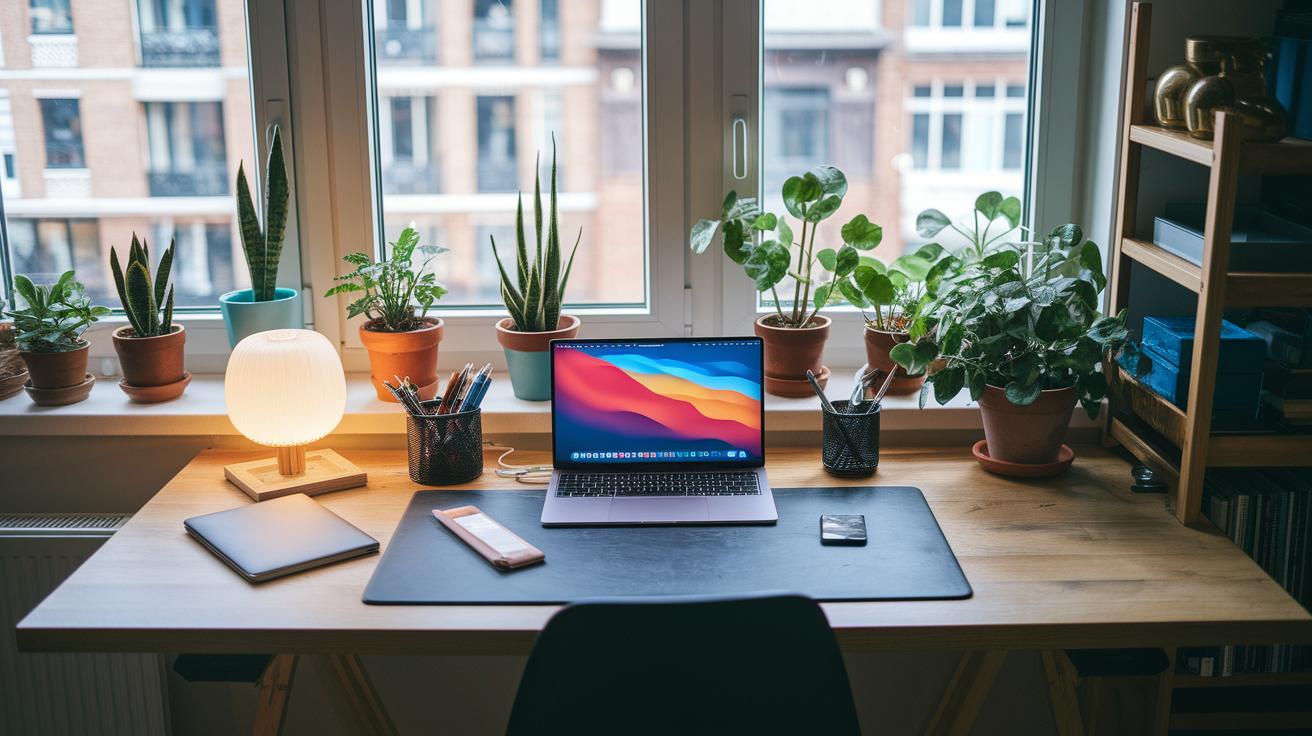
When you work from home, having a good setup really matters. First, get a reliable computer, fast internet, and a comfy chair that helps you sit right. Good light is also important. Natural light can make you feel happier, and a desk lamp brings a warm glow in the evening. Think of your workspace as your own little command center where everything is close and tidy.
A quiet space without too much clutter helps you stay focused. Setting aside a special work area tells your brain it’s time to concentrate. This might be a whole room or just a corner in your house. Next, here are some simple tips to keep you on track:
- Plan out your day and set clear start and stop times.
- Take short breaks to stretch or walk around.
- Use noise-cancelling headphones to shut out distracting sounds.
- Keep a daily to-do list to note what needs to be done.
- Arrange your desk so every item has its own spot.
Balancing work with rest is really important. Give yourself time to move around and relax between tasks. Even a few minutes to breathe deeply or step outside for a bit of fresh air can help you recharge. Have you ever noticed how a little break can make a big difference?
Managing Clients and Scaling Your Freelance Work from Home Business
Freelancing success really comes from building strong, honest relationships. When you take the time to connect, setting clear goals and realistic plans together, your clients feel appreciated and heard. This way, they’re more likely to come back and even tell others about your work.
Negotiating Rates and Contracts
Talking about your rates should be simple and straightforward. Start with a clear hourly fee, whether it’s $40 or $60, so everyone knows where things stand from the beginning. Try adding easy-to-understand sections in your contracts that explain payment details, timelines, and what happens with revisions (changes requested after work is done). For example, you might write a bit that says payment is due within 15 days after you send the invoice. These clear rules protect both you and your client and help keep things running smoothly.
Retainer Models for Stable Income
Retainer arrangements can give you a steady income over time. In these setups, your client pays a set fee every month for regular work, which can even come with bonus deals if you bundle extra services at a discount. This type of agreement not only makes planning easier but also helps build trust over a long period. It’s good to check in on these deals now and then, so you can adjust your fees as you gain more experience and as your clients become even more happy with your work.
Also, don’t forget: a happy client might introduce you to someone else, further expanding your network and reinforcing your reputation as someone who’s reliable and easy to work with.
Balancing Freedom and Income in Freelance Work from Home

When you look at these ratings, you can really see how creative freedom stacks up against steady income. Jobs like courses (a perfect 10 out of 10) and digital templates (9.5 out of 10) let you earn more as you grow, all while keeping things flexible. Meanwhile, roles like OBM and ads management (both at 4 out of 10) or web design (6 out of 10) usually mean a regular paycheck but with a more set routine. Content creation lands right in the middle with a solid 8 out of 10, offering a mix of artistic expression and reliable earnings.
Imagine this: some freelancers juggle creative projects and consistent income by mixing different types of work.
- If you love the arts and a balanced paycheck, content creation might be just right for you.
- Web design is great if you enjoy quick project wins and want control over your schedule.
- OBM roles work well for those who value steady client connections and routine tasks.
- Ads management fits if you’re comfortable with a more structured workday and regular deliverables.
- Digital templates and courses are perfect if you prefer working independently while scaling up your income.
Mixing different roles can help spread out your income streams. For instance, pairing content creation with course development lets you experiment and stay creative, all while keeping your earnings steady.
Overcoming the Learning Curve in Freelance Work from Home Roles
Freelancing from home means everyone has their own timeline before the money starts coming in. For example, content creation might take a few months before you see real results. Ads management, on the other hand, could need one or two years to really pay off. Web design using site builders is quicker to learn, and digital templates can be mastered in just a few weeks. Then, roles like online business management might take several years as you build strong client relationships and gain experience.
Here are some friendly tips to help you along the way:
- Begin with an online course to pick up new skills fast. Try doing real projects as you go. Think of Alex who improved his design skills with easy-to-follow tutorials.
- Earn certifications for remote work so you stand out from the crowd.
- Find a mentor who’s been freelancing for a while and can share everyday insights.
- Dive into hands-on projects to put your new knowledge to the test.
- Join community forums where you can swap tips and success stories with others.
Setting small, realistic goals is key to staying motivated. Break your learning journeys into bite-sized parts and celebrate each win. This way, you build confidence and keep moving steadily forward in your freelance career.
Final Words
In the action, this post explored practical ways to start your freelance work from home. It broke down tips for scoring online gigs, setting up your home office, managing clients, and handling skill curves. You now have a clear guide that explains top platforms, role choices, and balancing income with freedom.
Take these insights and put them to use as you build a secure financial future. Small, steady steps can lead to big wins every day.
FAQ
How do I start freelance work from home without experience, as a beginner, or as a student?
Starting freelance work from home without experience means taking on simple roles like data entry or writing. Beginner freelancers and students can secure part-time gigs to build skills and confidence.
What freelance jobs can I do from home, including part-time or without any investment?
The freelance work available from home includes offers such as content writing, data entry, social media support, and consulting. Many of these roles are accessible with little to no upfront investment and offer flexible scheduling.
How do I do freelance work from home effectively?
Doing freelance work from home effectively involves creating a dedicated workspace, using a reliable computer and internet, and keeping clear communication with clients to maintain steady productivity.
Which freelancer platforms should beginners consider?
Beginner freelancers can benefit from platforms like Upwork, Fiverr, Guru.com, Toptal, and FlexJobs Corporation. These sites offer clear job listings, simple application processes, and supportive communities for newcomers.
What should I know about freelance data entry jobs at home?
Freelance data entry jobs at home focus on accuracy and speed. They require attention to detail and offer a great way for beginners to earn money while gradually building digital work skills.
What is a freelancer working from home?
A freelancer working from home is someone who manages independent projects remotely, such as writing or design tasks. They set their own schedule and work directly with clients using online platforms.
What do reviews say about freelance work-from-home jobs on Reddit?
Reviews on Reddit highlight that freelance work-from-home jobs shared by community members offer practical advice, real-life experiences, and honest feedback, helping newcomers choose reliable opportunities.
What distinguishes popular platforms like Upwork Inc., Fiverr, PeoplePer, Toptal, Guru.com, and FlexJobs Corporation?
These popular platforms differ by offering unique job selections, fee structures, and support communities. Each one caters to different freelancer needs, from beginners seeking simple gigs to experts looking for specialized projects.

