Have you ever thought that doing freelance work could light a fire under your creative spark? Many graphic designers say that working on small freelance projects not only hones their skills but also opens up new paths. Sometimes one project leads to something much bigger, and sometimes it simply lets them share their art on well-known sites like Upwork and Fiverr.
It’s like setting up a stage just for creative people to shine. Imagine a single gig acting as a stepping stone, one that makes a real difference over time. Next, you might be surprised at how freelancing not only builds your portfolio but also brings in unexpected opportunities. So, why not consider freelance work as your next creative adventure?
freelance work for graphic designers Sparks Creative Wins
Upwork remains a favorite spot for gig-hunting designers. Whether you're tweaking a small detail or reimagining a whole brand look, you'll find a project there that fits you just right. One designer even said they scored a logo redesign that led to more global brand refresh projects.
Fiverr got its start with simple five-dollar gigs but has grown into a lively marketplace with flexible pricing. It lets creative folks try out different services and lets clients pick from several package tiers. Imagine offering something like "I design bright, eye-catching social media graphics" and then watching orders come rolling in.
99Designs is well known for its creative contests where you can show off many skills. The site covers over 90 design areas, such as logo creation and app designs. Designers get to share several concepts, and one participant mentioned that after sending in three ideas for an app interface, the client loved the fresh take.
We Work Remotely is another great place to find remote art gigs. With more than 3 million monthly sign-ups, it offers a broad range of opportunities, including commission work that can really help your portfolio shine.
Wellfound (formerly Angel.co) stands out by listing over 130,000 creative roles, both nearby and far away. Similarly, portfolio sites like Behance and Dribbble let you show your best work to attract clients directly.
Other platforms worth checking out include PeoplePerHour, which uses smart tech to match you with projects, and trusted names like Guru and Freelancer.com, which offer clear ratings and secure payment systems. If you're after more varied roles, you can try SimplyHired for its free resume builder or The Design Kids if you're just starting out with internships and entry-level work.
| Platform | Key Benefit |
|---|---|
| Upwork | Versatile project types |
| Fiverr | Flexible pricing gigs |
| 99Designs | Contest-based opportunities |
Each platform brings a unique flavor to freelance work, giving graphic designers plenty of options to spark their creative wins.
Setting up your freelance graphic design profile on marketplaces

Start by treating your profile like a small portfolio that shows off your best work. On Upwork, fill out your account with a clear summary of what you do. Take the available skill tests and add five to ten samples of your work. For example, you might say, "I create clean, modern designs with user-friendly appeal," and then attach a few standout projects.
Over on Fiverr, use tiered gig packages and craft titles loaded with keywords so clients can find you easily. Strong reviews really make a difference, so even a handful of good comments can boost your search ranking. Imagine a gig titled, "I design stylish and engaging social media banners," backed by plenty of positive feedback.
At 99Designs, focus on perfecting your contest entries. Share several concepts with clear, to-the-point briefs. For instance, you could write, "I offer two distinct logo ideas with unique color schemes," and be quick to revise if asked.
Then try using the bidding techniques from Designhill, where you can choose either a fixed bid or an hourly rate. This way, potential clients can compare your offer with others easily, increasing your chances to land the project.
Crafting a standout portfolio for freelance graphic designers
Your portfolio should really show off the kinds of projects you love doing. Try to focus on your niche by mixing samples like UI/UX (user interface and user experience, which means how a design feels and works), motion graphics, branding, and packaging. If you don’t have enough client work, feel free to include personal projects or practice designs. For example, you could show a before-and-after series to highlight how you turned a simple design into a vibrant brand identity.
Break your portfolio into clear sections so potential clients can easily find what they need. Pair your visual work with a digital resume that lists your credits and skills. A short, neat resume not only shows off what you can do but also ties your projects together like a little story about your journey.
You might also want to put your projects on sites like Behance or Dribbble. These platforms are great for getting community feedback and extra exposure. It’s a friendly way to connect with other design folks and show that you’re ready for any freelance work, whether you’re just starting out or looking for high-level projects.
Keep things neat and easy to follow. Remember, your portfolio is your first impression. It should clearly show off your skills, your creativity, and your professional style.
Pricing and negotiation tips for graphic design freelancers
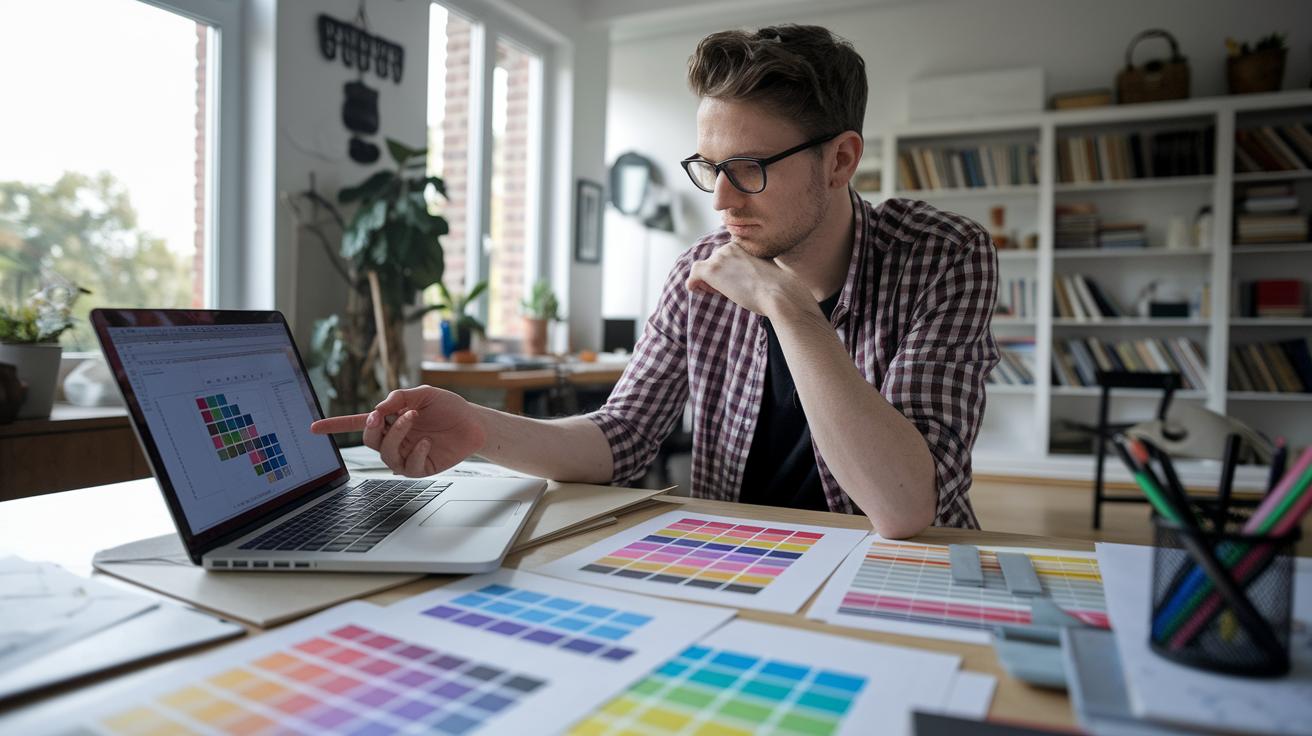
Start by choosing rates that show off your skills and match the local pay trends. Look up info from trustworthy sources that list average design salaries to help you set your base rate. One designer mentioned he set his price by comparing his work with industry averages and then adding extra for his unique style.
Make a simple plan for each project. Outline what you'll deliver, how many revisions you'll allow, and when you'll finish. For example, you might tell your client that you include two rounds of revisions and a final delivery within three weeks. This clear plan helps avoid unexpected extra charges.
It also helps to ask for a deposit of 30 to 50 percent on bigger projects. You can then set up milestone payments along the way. One client once said that knowing the payment schedule from the start made him feel secure about working together.
Think about creating a rate card that shows different service options. You could offer a basic logo design or a full brand identity package, each with its own price. And using escrow features (a safe way to hold money) on platforms can keep payments secure from the beginning.
These tips let you show your value, set clear expectations, and handle contracts smoothly. That way, you can focus more on being creative instead of worrying about money issues.
Client communication and project management for freelance graphic designers
Kick off your project on a good note by sending a welcome packet that explains your rules, deadlines, and the best person to contact. For instance, you could say, "Welcome aboard, here's what's coming up this week and how we can chat easily." This clear start helps build trust right away and sets a friendly, professional tone.
Keep in touch regularly. I like using tools like Slack or Trello to share updates and ask for client thoughts. One designer I know sets a quick 15-minute call every Monday to check on progress. It helps a lot to avoid any mix-ups and keeps everyone on the same page.
Make the revision stage simple and fair. You might include two rounds of changes in your fee and charge a little extra for additional tweaks. Simple, clear instructions like these save time and help everyone understand what's expected.
Don't forget to automate invoicing and reminders. Using built-in tools or apps means you keep your cash flow smooth while getting more time for your creative work. Some folks even set up automatic monthly invoices so both you and your client always know what's going on.
Essential software and workflow hacks for freelance graphic designers
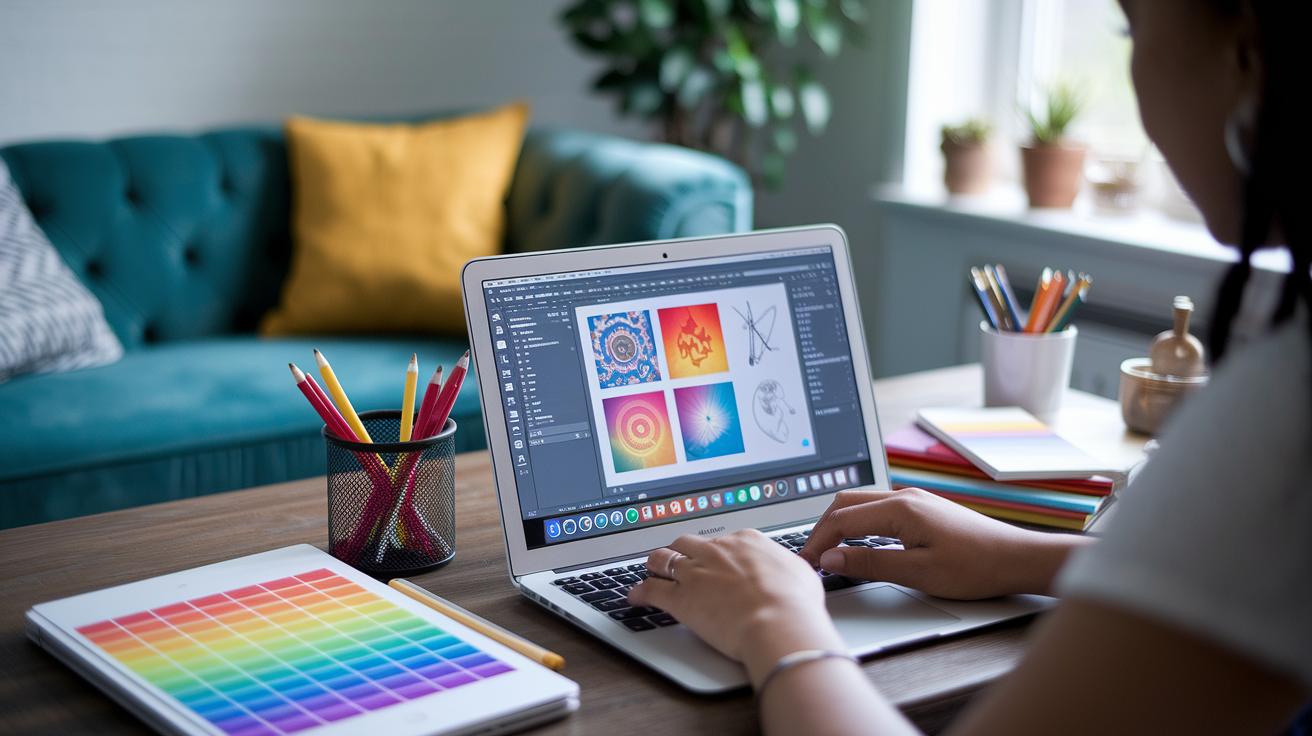
Learning the best tools can really change how you work every day. Programs like Adobe Illustrator, Photoshop, and InDesign (tools for making art and layouts) are must-haves. If you’re into motion graphics, Adobe After Effects can help bring your designs to life. For example, you might say, "I use Illustrator to craft crisp vector art that pops" and then show off your design.
Staying organized is super important. Using cloud storage like Dropbox or Google Drive means all your files are in one safe spot and ready for quick client feedback. Plus, keeping track of your time with apps like Harvest or Toggl helps you see where your hours go.
Also, consider using collaboration tools like Figma or Miro to get live feedback during design revisions. Imagine setting up a session where a client explains a quick tweak and you see it come to life on screen – pretty neat, right?
Lastly, keep learning by exploring free online tutorials and courses that show you cool new tricks. A little bit of learning goes a long way to help you stay sharp and shine in every freelance gig.
Networking and branding tips for freelance graphic designers
Stay active on LinkedIn, Instagram, and Twitter by sharing your standout work and handy design tips. Post fresh portfolio images along with little insights into your process. For instance, you might say, "I refreshed a local business logo last week by mixing clean fonts with fun, playful colors." It’s a simple way to spark interest and start a friendly conversation.
Get involved in creative communities, both locally and online. Try showing up to Dribbble meetups or joining Behance challenges to connect with fellow designers. Ever been to a Design Kids event? They’re real golden opportunities to swap ideas and form new relationships. One designer once mentioned that a mini-workshop turned into referrals that grew into long-term client work. Pretty cool, huh?
Also, don’t wait to ask satisfied clients for a testimonial that you can feature on your website. A genuine comment like, "Working with them brought fresh energy to our brand," helps build trust for those checking you out. You can even consider hosting some free office-hours consultations or mini-workshops online, perhaps a session called "Quick Tips for Smart Branding." It’s a relaxed way to showcase your know-how and draw in more referrals.
In truth, keeping your social media active and getting involved in creative events really helps turn casual links into lasting, rewarding relationships.
Sustainable career planning for freelance graphic designers

Plan ahead so you're ready when work flows in fast or slows down. One tip I love is saving three months’ worth of income (basically money kept for lean times). It’s like keeping aside some cash for a rainy day. For instance, every time you get paid for a big project, put a bit aside to cover those quieter months.
Managing your time well is super important when juggling several projects. Try blocking out specific hours for client work, marketing, admin tasks, and even for your own creative research. When you schedule your day like this, you lower the stress and ensure every part of your business gets the attention it needs.
Also, set aside a day or two every month just for learning something new. Take a break from your usual work to explore fresh design tools or trends that could boost your skills. Imagine spending a day tinkering with a new software, such a break might ignite creative sparks you never expected.
Finally, keep a close eye on market trends by reviewing your rates and services each year. This helps you stay in tune with client needs and confident when you charge what you’re worth. With a clear plan for your funds, time, and growth, you pave a steady path toward long-term, creative wins.
Final Words
In the action, we covered top work sites and profile tips that help boost your online presence. We talked about building a standout portfolio, setting fair rates, and keeping client communication smooth. We also shared easy software tricks and networking ideas that spark growth. With these clear steps, every creative can grow confidence in their freelance work for graphic designers. Stick with these strategies, and good luck building a bright, secure future in your creative field.
FAQ
What does freelance work for graphic designers on Reddit offer?
The freelance work on Reddit for graphic designers offers community advice and job leads. Designers share experiences, tips, and project opportunities while connecting with like-minded creative individuals.
How can graphic designers secure freelance work from home?
The graphic design freelance work from home option offers flexibility and varied projects. Designers can use online platforms and social media to build profiles, connect with clients, and manage tasks efficiently from their own space.
What are freelance opportunities for graphic designers in the USA?
The freelance opportunities for graphic designers in the USA include diverse projects on national and international online platforms. Designers enjoy competitive pay, creative freedom, and client engagements tailored to American market demands.
Which freelance graphic design websites provide viable job opportunities?
The best freelance graphic design websites include platforms like Upwork, Fiverr, 99Designs, and Behance. They offer diverse projects, clear client connections, and secure payment methods for creative professionals.
How much do freelance graphic designers typically make?
The freelance graphic designer salary varies by experience and region. Designers often earn competitive rates based on project scope, client budgets, and market trends, with many charging hourly or per-project fees.
How can I become a freelance graphic designer?
The path to becoming a freelance graphic designer starts with building a strong portfolio, setting up profiles on popular platforms, and applying for projects. Aspiring designers must showcase skills and gain client reviews to succeed.
Is graphic design a good field for freelancing?
The field of graphic design is good for freelancing as it offers creative freedom, diverse project types, and the ability to work remotely. Designs are in demand across industries, making freelance work a practical option.
Do most graphic designers work as freelancers?
The prevalence of freelance work among graphic designers is high. Many graphic designers choose freelance work due to its flexibility, varied projects, and the autonomy that the gig market provides.
How does Upwork help freelance graphic designers find work locally?
The Upwork platform assists freelance graphic designers in finding work by connecting them with local and international clients. It offers a user-friendly system for showcasing portfolios, bidding on projects, and managing payments securely.
What graphic design courses can improve my freelance skills?
The graphic design courses available help improve freelance skills by teaching fundamental techniques, software usage (like Adobe tools), and creative best practices. These courses often combine hands-on projects with professional feedback for career growth.

