Have you ever wondered if you could make your money work a bit smarter? Mutual fund investing might be just the ticket. It's like planting seeds and letting a seasoned gardener take care of them so you only worry about taxes when it’s harvest time.
You get cool benefits like delaying taxes until you sell (tax deferral means you don't pay taxes right away), keeping your gains for the long haul, and making profit calculations simpler. This can mean more of your hard-earned cash stays with you.
In this article, we’ll chat about these neat tax perks and show you why they might be the right choice for your investments.
Core Tax Advantages of Mutual Fund Investing
When investors pool their money together in a mutual fund, skilled pros handle the investments for everyone. This arrangement can offer some smart tax advantages. Imagine several seeds planted and cared for by a friendly, expert gardener; your money grows steadily and you only deal with tax issues when you decide to harvest.
Because professionals manage the fund, they plan when to buy and sell so that you avoid those steep short-term tax rates that hit when shares are held for less than a year. It’s a strategy that can really lighten your tax load over time.
Mutual funds also have perks that stocks might not offer. Instead of triggering taxes with every single trade, the fund keeps all the records together and uses trusted methods to figure out gains. This makes handling your tax bill much clearer and far less stressful.
| Tax Benefit | Description |
|---|---|
| Tax Deferral | You delay paying taxes on gains until you sell your shares or take a distribution |
| Long-Term Gains | Hold for over a year to enjoy lower tax rates |
| Average Cost-Basis | This method makes calculating gains simpler |
| Diversification | Helps lower the overall tax impact by spreading your investments |
| Reduced Transaction Taxes | Minimizes taxes from frequent individual trades |
All these benefits work together like a well-oiled machine. By postponing tax payments and streamlining the calculations, mutual funds help you keep more money working for you. Pretty neat, right?
Taxation of Mutual Fund Distributions

Mutual funds bring in income in three simple ways: dividends, interest, and capital gains. Dividends are like little bonus checks you get when the fund shares its profits. Interest comes from bonds or other assets that earn a steady return (think of it as the fund earning money like a savings account). Capital gains happen when the fund sells an investment for more than it paid. These payouts usually come out every year and can really shape your tax bill.
When tax season rolls around and you're filling out your returns in April, you need to report this income. If the money already taken out of your distributions doesn’t quite cover the full tax you owe, you might need to pay extra through estimated payments during the year. It’s also important to keep track of the adjusted cost basis of your shares, which is just a fancy way of saying the key number used to work out your profit or loss when you sell. This recordkeeping is super important to make sure you report everything correctly.
Understanding when you pay taxes on these different types of income is a big help in planning your finances. By knowing the right timing for tax payments and keeping good records, you can manage your tax bill better and keep your investment plans running smoothly.
Mechanics of Capital Gains Tax in Mutual Fund Investing
When a fund manager sells stocks or bonds for a profit, it creates what is called a net capital gain that gets passed along to investors. This profit counts as taxable income even if you reinvest it to buy more shares. The tax you owe is figured out using your adjusted cost basis (that is, the total you paid for the shares plus any reinvested income). Once you pick a method to calculate this number, such as the average cost method, you're required to stick with it unless you notify your custodian about changing it.
Here's a simple way to look at the process:
- First, add up the amount you originally spent on the shares along with any reinvested dividends.
- Next, when the fund manager sells investments at a profit, that profit is shared with every investor.
- Then, you'll need to include these distributed gains on your annual tax return.
- Finally, you pay the tax either when you file your return or via periodic estimated payments during the year.
Also, the length of time you hold your shares makes a big difference. Selling shares in less than a year means you'll be taxed at a higher short-term rate, which can really cut into your profits. On the other hand, if you hold them for over a year, your gains benefit from lower long-term tax rates. And keep in mind, if your income is high, you might also face an extra 3.8% net investment income tax. So, planning your holding period carefully can help lower your overall tax bill and keep more of your money working for you.
Record-Keeping and Reporting Requirements for Fund Investors
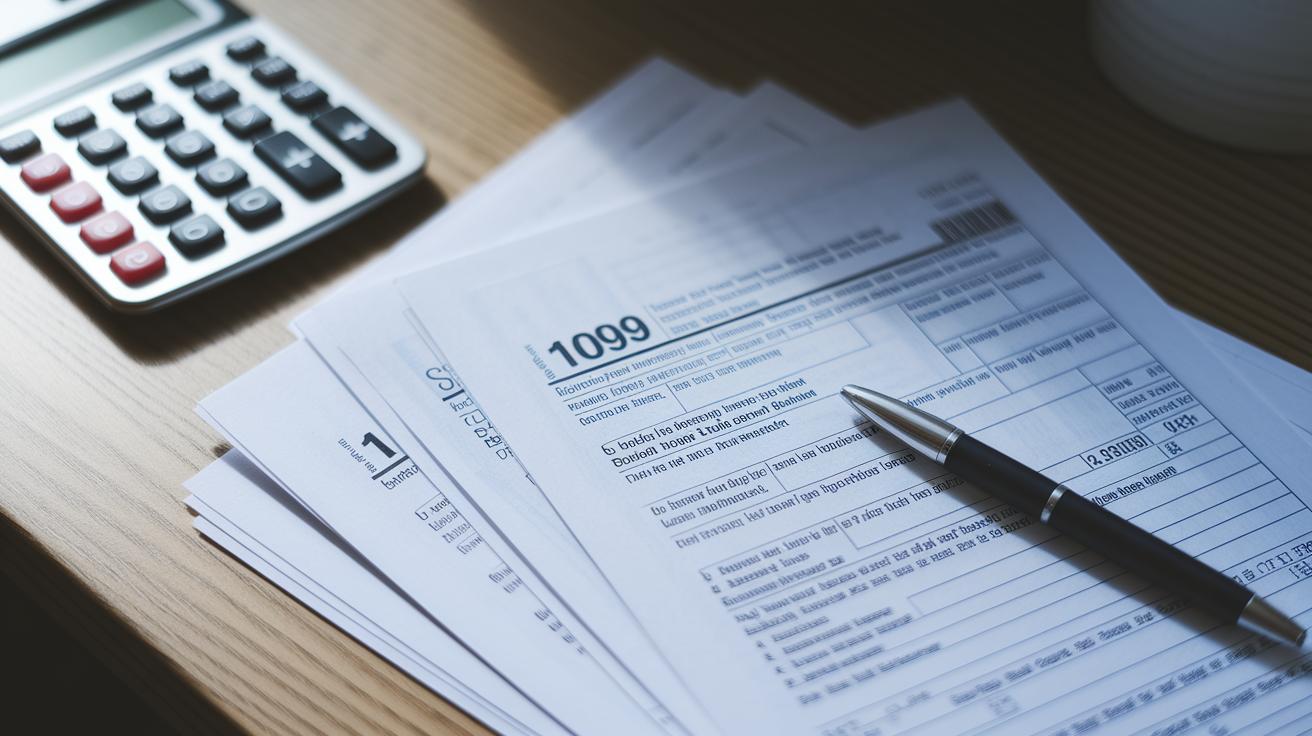
When tax time comes around, make sure you have all the important year-end statements that show your dividends, interest, and capital gains distributions. These papers, along with IRS forms such as 1099-DIV and 1099-B, are like your tax-reporting building blocks. Think about it this way: your statement lists every dividend you got, which is key to figuring out your overall taxable income.
It’s also crucial to keep detailed cost-basis records. This means tracking your adjusted cost basis, whether you use the average cost method (a way to find a middle value) or pick out specific items. For example, if you reinvest dividends, keeping clear records helps you add those amounts into your cost basis correctly. This careful note-taking makes your IRS reporting smoother and can help you avoid any surprises when you file your taxes.
Good record keeping is your best friend when it comes to not overpaying or underpaying taxes. Stay organized and hold onto all your reports and statements. By doing this, you’re not just meeting IRS rules, you’re setting yourself up for better financial planning and fewer unexpected issues when it’s time to file your annual return.
Tax Benefits of Mutual Fund Investing: Smart Perks
Investors have some great ways to lower the tax hit from mutual fund investments. You can hold onto your shares a bit longer so you pay a lower long-term tax rate instead of the higher short-term rate. And by making quarterly estimated tax payments if needed, you can avoid extra fees down the road.
- Hold funds for over one year for long-term rates
- Pick funds that are tax-friendly and don’t trade too often
- Use quarterly estimated tax payments to cover distributions
- Invest in tax-advantaged accounts like IRAs or 401(k)s
- Do tax-loss harvesting now and then with your investments
Think of it like planting seeds. When you wait more than a year to sell your shares, your money gets a chance to grow, much like a seed growing into a strong plant. Plus, choosing funds that trade infrequently means fewer times where you trigger taxes. Have you ever felt the stress of a last-minute tax surprise? Planning ahead with estimated payments can really take that worry away.
Mixing these techniques into your overall plan makes handling taxes smoother. Combining a solid holding period with smart fund choices and the right accounts helps keep your investment strategy simple and stress-free. In the end, you get to keep more of your money working for you, which is a win for any investor.
Comparing Tax Implications: Mutual Funds vs. Direct Stock Ownership

When you're thinking about where to put your money, you usually come across two main choices: mutual funds and buying stocks directly. With mutual funds, your cash is combined with others' money and experts handle the buying and selling. That means you might be able to delay paying taxes until you sell your shares or get a payout. On the flip side, when you own stocks directly, each sale you make is a taxable event. Have you ever thought about how these different ways might change what you owe in taxes over time?
| Feature | Mutual Funds | Direct Stocks |
|---|---|---|
| Tax-Deferral | Yes (built-in gains) | No (taxed at each sale) |
| Cost Basis | Average cost basis allowed | Specific share identification |
| Distribution Events | Annual distributions taxed | No forced distributions |
| Record Keeping | Consolidated statements | Individual trade records |
Choosing the right type of investment can really make your life easier when tax time comes. Many folks say that mutual funds simplify the whole process because you don't get taxed with every single trade, and the average cost method helps when you eventually sell. Conversely, handling stocks on your own means you have to keep up with every little trade, which can be a bit of a hassle come tax season. If you're looking for a smoother, simpler way to manage your taxes, mutual funds might just be what you need.
Final Words
In the action, we broke down how smart strategies in mutual fund investing can ease tax burdens. The article covered everything from the role of record-keeping to tactics that shift gains from short-term rates to more favorable long-term ones. We also touched on careful planning during holiday spending and managing credit securely while riding the waves of economic shifts.
Remember, by understanding the tax benefits of mutual fund investing, you can boost the way you handle your money and step forward with confidence.
FAQ
What tax benefits does mutual fund investing offer?
The tax benefits of mutual fund investing include deferring taxes on embedded gains, qualifying for lower long-term capital gains rates after holding shares over one year, and using a simplified average cost-basis calculation that eases tax reporting.
When do you pay taxes on mutual funds?
The taxes on mutual funds are paid when you receive distributions such as dividends or net capital gains, which are reported on your annual tax return in April, with periodic estimated tax payments if required.
How can I calculate taxes on mutual fund withdrawals?
Calculating taxes on mutual fund withdrawals involves using a tax calculator that factors in dividends, capital gains distributions, and your holding period to give you an estimate of the tax liability before selling any shares.
How do I avoid capital gains tax on mutual funds?
Avoiding capital gains tax on mutual funds might involve holding your shares for more than one year to secure lower long-term rates and choosing tax-efficient funds with low turnover to reduce taxable distributions.
Do you pay taxes on mutual funds if you don’t sell?
Taxes on mutual funds are applied to income distributions and net capital gains, even if you don’t sell your shares, because reinvested dividends and gains are considered taxable income by the IRS.
What are the tax disadvantages of mutual funds?
The tax drawbacks of mutual funds include taxable dividends and capital gains distributions even when reinvested, along with potential higher taxes for short-term holdings and the addition of a 3.8% net investment income tax for some investors.
What is the most tax-efficient investment?
The most tax-efficient investment depends on your situation, but many investors lean toward tax-managed mutual funds or ETFs, which typically produce fewer taxable events and lower overall tax burdens.
How can I start investing in mutual funds?
The process of investing in mutual funds starts by visiting reliable fund websites or contacting investment companies that provide guidance and account setup information to help you research and begin investing.
How are ETFs taxed and how do they compare to mutual funds?
ETFs often incur fewer taxable distributions due to lower turnover, which can make them more tax-efficient compared to mutual funds that typically distribute more dividends and capital gains, leading to more frequent tax liabilities.

