Ever felt a bit lost when diving into a mutual fund prospectus? You know, those documents that stack up details on fees, risk, and past performance can sometimes feel like a puzzle. Let’s break it down together in a simple, step-by-step way that shows you what really matters.
Imagine you’re building your favorite sandwich: first, you lay out all the ingredients; then you put them together; finally, you enjoy every bite. In the same way, this guide takes you through each section of the prospectus and explains why it’s important for making smart investment choices.
So, ready to unravel those pages? Let’s simplify the process and boost your confidence as you navigate these handy guides.
Mutual Fund Prospectus Basics: Definition, Purpose, and Access
A mutual fund prospectus is a document that lays out everything you need to know about a fund. It tells you about the fund’s goals, how it plans to achieve them, the fees you’ll pay, the risks involved, and even a bit about its past performance. The SEC makes sure that all over 7,400 mutual funds in the U.S. offer this document for free and keep it current. Think of it as a handy guide that explains how these funds work.
There are two types of prospectuses. One is the full version with all the details, and the other is a short summary that highlights the key points. The summary makes it easier and faster for you to get a clear picture of what the fund is about. For example, you might read, "Before starting their investment search, many investors look at historical returns to gauge a fund’s performance." This helps show why clear snapshots of a fund’s history, goals, and risks are so important.
Surveys tell us that 94% of households check out a fund’s past performance, 91% look at its objectives and risks, and 90% inspect the fee details. These numbers show exactly what you, and many others, find useful. Prospectuses break down things like annual expenses and sales charges, and even include tables (imagine a chart that maps out how fees might affect your investment over different time periods).
You can easily find these documents by searching the SEC’s EDGAR database. Just type in the fund’s name, its ticker symbol, or the filing date, and you’re set. This easy access is part of the SEC’s effort to keep everything transparent so that you feel informed before you decide to invest.
Key Sections in a Mutual Fund Prospectus: Fees, Performance & Management

Prospectuses are like road maps that let you compare funds quickly. They break down important details, starting with fees. You'll see sales charges (loads) and annual operating costs laid out clearly to help you figure out what you're paying. For example, picture a table that shows how fees affect a $10,000 investment over 1-year, 5-year, and 10-year spans. Fun fact: even a small fee of 1% a year can really slow your growth over 10 years.
| Time Horizon | Projected Impact |
|---|---|
| 1-Year | Very little change |
| 5-Year | Some noticeable reduction |
| 10-Year | A big dent in growth |
Then there are performance tables. These are real gems because they show past returns over different time frames. They let you see how the fund did during both great and tough times. You might read something like, "A steady record of 5% annual returns, even when the market is wobbly, shows strong management."
Next up is management. Here you'll find details like the team’s background, different share options, and the rules for buying or selling shares. Sometimes the prospectus even explains dividend policies. Imagine a line saying, "With decades of experience, the manager’s track record usually builds trust."
You’ll also see clear sections that list out trading rules and share-class differences to help you compare your options. Here’s a handy list of what you can expect:
- Sales charges and loads
- Annual operating costs
- Fee impact tables for different time frames
- Historical return figures
- Manager backgrounds and share options
- Dividend rules and trading guidelines
Each of these parts makes it easier to compare funds and helps you make smart investment choices.
Interpreting Risk Disclosures and Investment Strategies in Prospectuses
Risk details in a prospectus show you what might hurt your investment. You might see warnings about market volatility (which means prices can jump around quickly). There’s also talk about other risks, like the possibility of losing your initial money or putting too many eggs in one basket. For example, a prospectus might say, "Investors face risks from sector concentration that can lead to sudden losses in specific market segments."
It also explains how the fund plans to invest your money. It tells you if the fund leans more towards stocks (pieces of a company) or bonds (loans to companies or governments). Some funds even use a special split, like 60/20/20, to try to smooth out the market’s ups and downs. Think of it like checking a recipe for a balanced meal, where risky assets mix with safer ones.
Sometimes, you’ll find numbers like weighted average life (WAL, which is a simple way to say how long the fund’s assets will last until they pay back) for funds focused on bonds or other investments. Reading these figures is a bit like glancing at your car’s mileage to see if everything is in shape.
- Market risk factors are clearly explained.
- Allocation percentages show if the fund invests more in stocks, bonds, or other assets.
- Metrics like WAL help guide your review.
And remember, just because a fund did well in the past doesn’t mean it will keep doing so. For instance, a prospectus might say, "Historical returns do not guarantee future performance," which is a good reminder to check things carefully when comparing different funds.
Understanding Regulatory Disclosures and Document Types in a Mutual Fund Prospectus
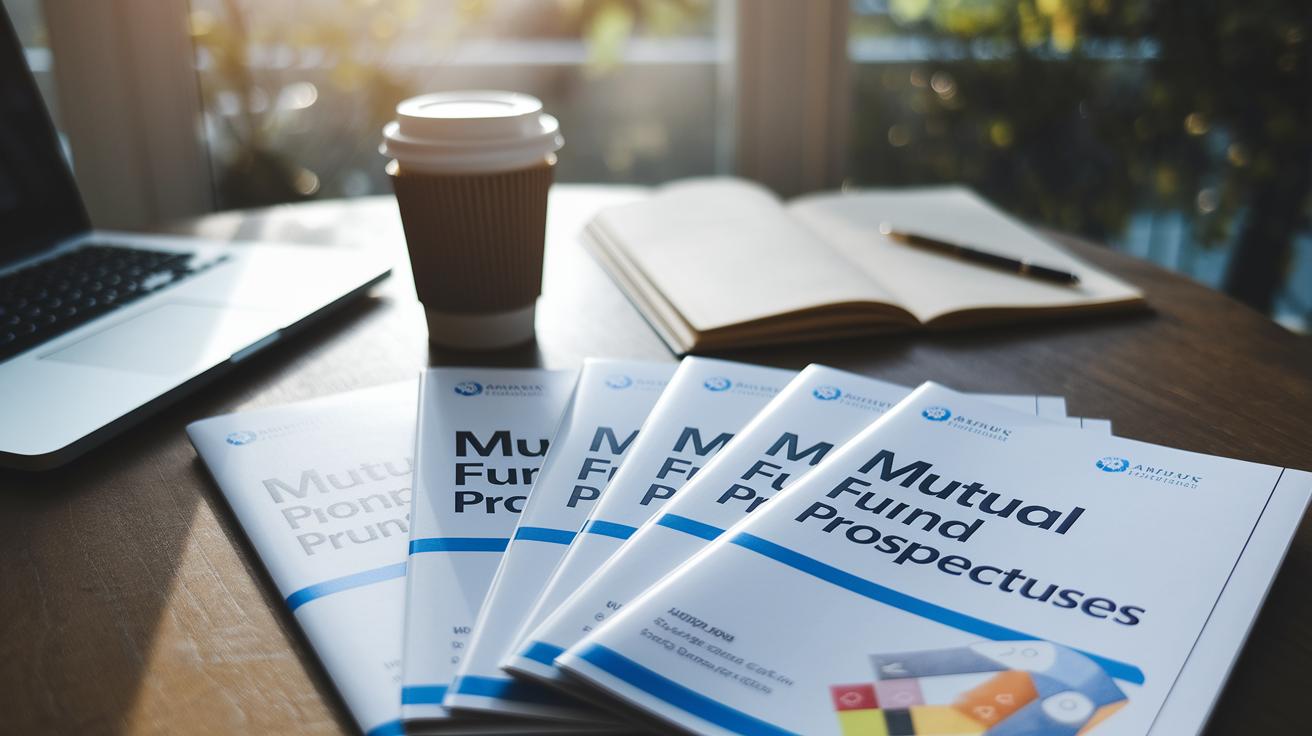
The SEC says every mutual fund must have a prospectus to keep you in the know. It comes in a few different versions. One type is the preliminary prospectus. This version lists nearly all of the fund’s details but skips the share price or number of shares. You might see a note saying it gives you a full view of the fund’s setup until prices are set.
After the share price is fixed, a final prospectus is released with every detail confirmed. Many mutual funds and ETFs also provide a short summary prospectus. This handy sheet highlights the key facts so you can quickly compare funds without wading through a lot of technical talk.
These documents also pack in legal and compliance details. They explain the fund’s goals, fee limits, shareholder rights, and other rules (the guidelines the fund must follow). For example, you might read that the fund sticks to strict fee rules as required by law, which helps remind you how your money is being protected.
Unlike standard stock or bond filings, fund prospectuses focus on how the fund is managed, the risks you might face, the fee setup, and details about different share types. You can grab these papers from the SEC’s EDGAR portal by searching for the fund name, ticker symbol, or filing date. This easy access lets you check out everything you need to compare funds and make smart choices with your investment.
Understanding mutual fund prospectuses: Clear Reading Tips
When you’re looking at different funds, start by putting all the important details next to each other. It really helps to see things in a clear list. One neat trick is to check fee-impact tables. These tables show you how fees change the growth of a $10,000 investment over several time frames – 1, 5, and even 10 years. Think about it: a 1% fee might look tiny at first, but over a decade, it can seriously slow down your growth.
It’s a good idea to create a simple spreadsheet. Jot down numbers like the expense ratio, standard deviation (which shows how much the return can bounce around), and the Sharpe ratio (a way to see if the risk is worth it). Keeping these numbers in one place makes it easier to spot any hidden fee traps or odd figures. Also, check how long the fund manager has been in charge. A manager with lots of experience often means more steady performance.
Don’t forget to compare dividend policies and differences in share classes. A straightforward list can be very useful:
- Fee-impact details for different time periods
- Key metrics like expense ratio and risk measures
- The track record of the manager and share-class choices
- Dividend policies and how the fund spreads its investments (for example, 60/40 versus 60/20/20 splits)
If you’re focused on income, you might find more ideas on sites like "investment income strategies" at https://cfxmagazine.com?p=34543. This simple, side-by-side method helps you quickly see the differences and pick the fund that fits you best.
Frequently Asked Questions on Mutual Fund Prospectus Reading

Some of the details here repeat what we mentioned earlier. For example, if you need info on prospectus types, updates, fee tables, or risk factors and performance data, just check the sections above.
Final Words
In the action, this article broke down the basics of mutual fund prospectuses. We walked through the document’s main parts, risk disclosures, fee structures, and even common questions. Readers learned how to review these prospectuses, compare funds side by side, and access filings through the SEC. Our aim was to back your financial steps with clear insights on understanding mutual fund prospectuses. Keep exploring these tips, and embrace smart financial decisions every day!
FAQ
What does “Understanding mutual fund prospectuses pdf free download” mean?
Understanding mutual fund prospectuses via a free PDF download means you can get the SEC-required document at no cost, which explains fund fees, performance, risks, and management details.
How can I get a mutual fund prospectus and what are the delivery requirements?
The prospectus is delivered free by law and can be accessed from the fund’s website or by downloading it from the SEC’s EDGAR portal using the fund name, ticker symbol, or filing date.
How do you read a mutual fund prospectus?
Reading a mutual fund prospectus involves reviewing key sections on fees, performance, strategies, and risks; this helps investors compare funds and understand potential benefits and limitations.
What information does a mutual fund’s prospectus provide?
A mutual fund prospectus details investment objectives, fee structures, risk factors, management strategies, historical returns, and other essential legal and compliance information for informed investing.
How can beginners understand mutual funds using a prospectus?
Beginners can use a prospectus as a starting guide that outlines a fund’s goals, fees, risks, and performance, making it easier to compare different funds and learn basic fund operations.
What is a prospectus mutual fund?
A prospectus mutual fund refers to any fund that must provide an official document outlining its operating details, investment strategy, fees, and risks as required by the SEC.

