Ever thought about whether your savings work as hard as you do? There is a free ETF screener that lets you see more than 4,300 exchange-traded funds in one quick search. You can filter these funds by cost, market region, and past performance (how well they did before).
Imagine choosing funds that perfectly match your way of saving and growing wealth. This tool can spark smart ideas to build a strong portfolio and help you reach your financial goals. Let’s explore how using an ETF screener can guide you toward wiser investments.
How to Use an ETF Screener to Identify Investments
Start by opening the ETF screener, a free tool that helps you look through over 4,300 ETFs (exchange-traded funds, which are types of investment funds you can buy or sell like stocks). Use the left panel to choose filters such as asset class, region, expense ratio, performance, issuer, and strategy. For example, you might pick funds with an expense ratio below 0.5% if you're focused on saving costs. Pretty neat, right?
Next, fine-tune your settings by adjusting filters tied to performance measures. Imagine filtering by recent fund flows to catch funds that are trending. The online tool then shows you a table with details like issuer information, overall performance, and fund flows. When you spot an ETF you like, take a moment to check if its geographic focus matches where you want to invest.
Finally, save your filter settings so you can easily use them again later. This method makes it really simple to run personalized searches anytime. Pick the ETFs that best match your ideas and let those detailed numbers guide you as you build a strong portfolio.
Key Parameters to Filter ETFs in Screeners
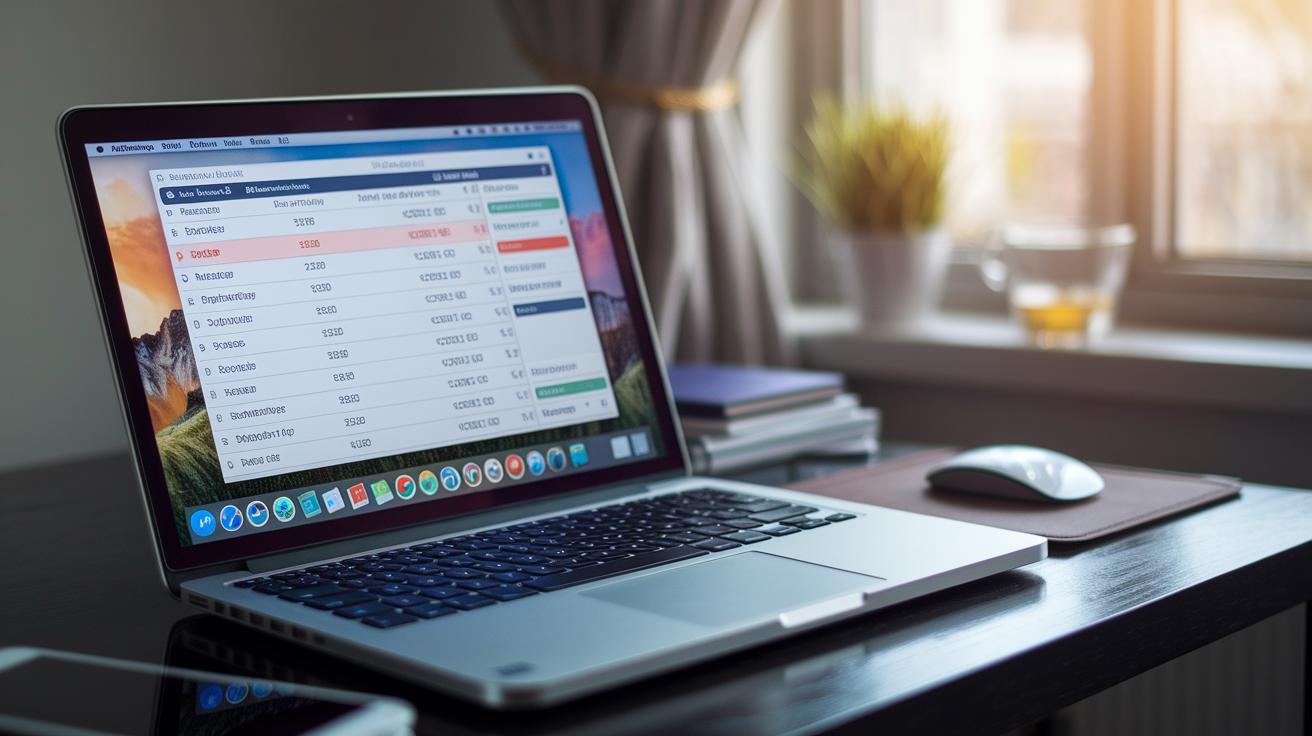
ETF screeners give you lots of filters to match funds with your own investment goals. You can start by picking an asset class, which means you choose funds based on what they mainly invest in, like stocks, bonds, or both.
Next, you can narrow your search by region. This lets you check for funds that invest in specific parts of the world or have a global mix. For instance, you might look for funds focused on the Americas if you think that area will do well for you.
The expense ratio is a key cost measure. When fees are lower, they can really add up over time and boost your gains. Performance numbers show how a fund has done in the past, and setting a minimum helps you get rid of funds that haven’t done as well.
Other filters let you pick funds by who runs them or by the way they invest. This way, you can choose funds managed by companies you trust or that follow a method you like.
You can also filter by sector. If you’re interested in technology or healthcare, sector-specific filters let you focus on those areas. Plus, fund-flow data shows you which funds are getting popular, giving a hint about market trends.
Also, the screener uses data from MSCI ESG Research (a firm that checks on ethical investments) covering over 23,000 funds and ETFs. That means you can search for funds that match your values.
All these filters help turn a lot of basic market info into clear, smart choices for your investment plans.
Comparing Top ETF Screener Platforms
When you're picking an ETF screener, it's good to see what each tool brings to the table. Each one has its own features, like how many ETFs they cover, the filters you can use, the pricing, and any special perks. I remember when I tried out Morningstar for fund analysis. Their ESG filters and head-to-head comparisons really helped me quickly see the differences among funds. It even changed the way I matched financial data with my own goals.
Some screeners offer a free basic version, which can be great if you're just starting out. Others, especially the paid ones, have lots of extra features that suit advanced users. You might notice that bigger platforms not only list more ETF options but also let you filter by things like geographic focus, expense ratios, or ESG criteria. This makes it easier to find a screener that really fits your investing style. For example, Fidelity gives you detailed insights with sector-specific data, while Schwab includes a handy market monitor.
Below is an HTML table that puts these features side by side so you can quickly compare ETF coverage, key filters, cost, and unique traits:
| Platform | ETFs Covered | Key Filters | Pricing | Unique Features |
|---|---|---|---|---|
| ETF.com Screener | 4,300+ | Asset class, performance, issuer | Free basic | Provider categories, new launches |
| Morningstar | 3,000+ | Expense ratio, fund flows, ESG | Subscription-based | Fund analysis, head-to-head comparison |
| Fidelity | 2,500+ | Sector, geographic focus | Free for clients | Deep market insights |
| Schwab | 2,800+ | Risk metrics, strategy | Free | Integrated market monitoring |
| Vanguard | 2,100+ | Cost benchmarks, ESG | Free for investors | Long-term performance tracking |
Looking at these details side by side can help you pick the tool that best matches your investing goals. It's a bit like comparing funds when you're learning to evaluate mutual fund performance. The side-by-side view sparks smart ideas and helps guide your overall strategy.
Real-Time Data and Advanced Alerts in ETF Screeners
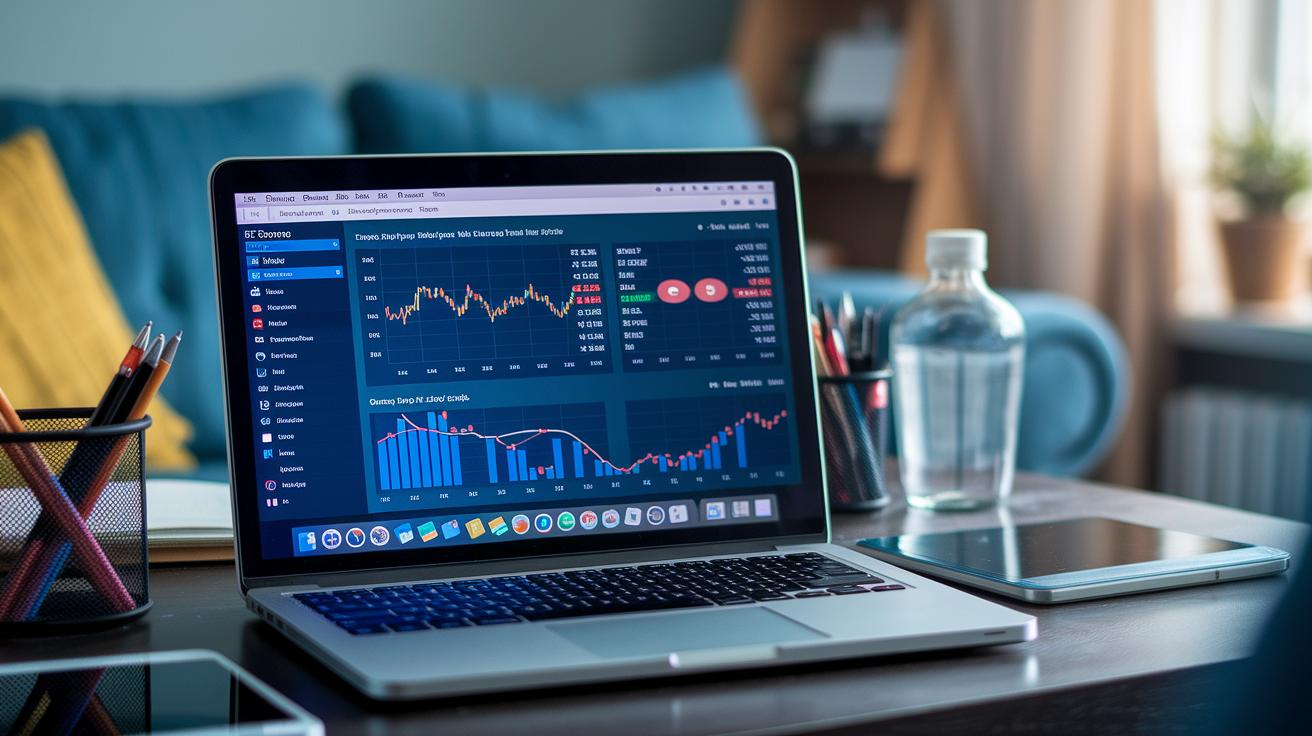
Live data feeds keep you connected with what's really happening in the market. The ETF screener shows you ETF Fund Flows with live inflow and outflow details so you can see when funds start attracting new money. The Market Monitor highlights top gainers, top losers, and the most active ETFs, plus it even shows after-hours trading info and a heatmap that paints a clear picture of market activity. Imagine this: a pop-up on your screen says, "Price alert: 5% increase in the past 30 minutes," giving you a quick heads-up on a sharp move.
Advanced investment alerts really change the game when you need to react fast. With smart filter tweaks and data blends, you can set up your own alerts for price shifts or performance changes. ETF Pulse keeps an eye on trending funds so you never miss out on a potential opportunity. These tools work like a smart radar, always scanning for market trends and sending you signals to help fine-tune your investment choices. Real-time alerts mixed with clear, data-driven insights help you make decisions right when market conditions shift.
Integrating ETF Screeners with Your Portfolio Strategy
Once you spot an ETF that grabs your attention, adding it to your portfolio is a breeze. Simply click the box beside its ticker and then hit "Add To Portfolio." This little move quickly builds your watchlist, letting you organize your investments by the goals you care about.
Next, try the Portfolio Builder. It lets you sort your favorite ETFs into up to five different watchlists. Maybe you want one list for new market trends and another for steady, long-time funds. It's kind of like organizing your toys, each group tells its own story, making your strategy feel smart and personal.
And guess what? Saved custom screens are super handy too. They let you lock in your selection steps so that every time you log in, you see similar results. This means you spend less time resetting filters and more time looking over funds that matter to you. Plus, you can easily adjust these screens as your plans change, keeping things fresh and totally in line with your goals.
Choosing Between Free and Advisor ETF Screener Versions

If you're diving into smart investment ideas, picking the right ETF screener makes a big difference. The free version has a simple filter that works well for beginners. It lets you search for ETFs and create custom screens without any extra fuss. Think of it like using a basic calculator when you're starting out in math, it does the job without all the extra buttons.
On the flip side, the Financial Advisor Screener has more detailed tools. It offers advanced analytics (deep look at data), customizable reports, and professional-grade features. This version is great if you need detailed insights into performance, fund flows, and market trends. It's like trading in your basic calculator for a computer that breaks down numbers for you.
Here are some key points to keep in mind:
| What You Get | Who It’s For |
|---|---|
| Simple filters to make basic searches easy | Beginners or those who like keeping it simple |
| Advanced analytics and customizable reports | Investors needing in-depth data and insights |
Your choice should match your experience and your investment goals. In truth, whether you're just starting out or need a deep dive into the numbers, there's an option designed to fit your style.
Best Practices for Efficient ETF Screening
Try mixing different filters together to get better results. For example, start by selecting funds that are gaining new capital and then add a performance requirement to narrow down to the most steady options. It’s like combining different spices for a richer flavor in your search.
Keep your screener updated in real time. Use tools that let you adjust the criteria as things change. You might set up alerts that go off when fund flows rise above your set limits so you’re always in the know when market trends shift.
Look beyond just simple ESG numbers. Compare similar funds so you can spot the ones that really stand out in sustainability. This helps you make clearer, more sustainable picks by comparing peers side by side.
Give your ETF choices a test drive with simulated portfolios. Run virtual scenarios that mimic rough market times to see how your picks might handle stress. It’s like taking a car for a spin before deciding to buy it.
Keep a record of your custom filters. Jotting down the criteria you use and the results you get can help you refine your methods as market conditions change over time.
Blend risk management techniques with your screening process. Add risk metrics to your filters so they match your overall risk tolerance. Comparing ETF risk ratings with your strategy can help you manage potential downturns more effectively.
Make it a habit to review your screening strategy regularly. Each quarter, update your filters based on new market insights and lessons learned. This keeps your approach fresh and in tune with current trends.
Final Words
In the action, this article walked us through using an etf screener to set filters, compare platforms, and add investments to your portfolio. It broke down how to spot trends through real-time alerts and choose between free and advisor versions. We shared clear steps to set up effective filters and budget-friendly shopping tips for personal finance empowerment. This advice can help you make smart decisions that strengthen your financial stability. Take these insights and keep building on your investment know-how.
FAQ
What is a free ETF screener?
The free ETF screener provides a basic tool that lets you filter exchange-traded funds by criteria like expense ratio, asset class, and performance. It makes your search for investment options easier.
What is considered the best ETF screener?
The best ETF screener offers a blend of user-friendly design and detailed filters. It helps you compare funds quickly by focusing on key factors like performance and cost efficiency.
How is the ETF screener by Vanguard used?
The ETF screener by Vanguard is designed for users who want to explore ETFs based on cost, performance, and strategy. It simplifies the process of comparing Vanguard’s ETFs to suit your needs.
What makes an ETF screener the best free option?
The best free ETF screener mixes accessibility with rich filtering features. It lets you quickly sort through funds with no extra fees while highlighting expense ratios and other vital metrics.
Which ETF screener app offers the best features?
The best ETF screener app provides a mobile-friendly platform with real-time updates, customizable filters, and a clear interface. This empowers you to make informed decisions wherever you are.
How does the ETF screener on TradingView function?
The ETF screener on TradingView integrates live market data and user-friendly charts. It lets you easily track trends and filter ETFs based on current performance insights.
What does the Morningstar ETF screener offer?
The Morningstar ETF screener supplies deep financial data and performance ratings. It helps you compare a variety of ETFs by letting you view key metrics and historical trends easily.
What is the ETF Database and what does it provide?
The ETF Database acts as a comprehensive resource for ETF information. It compiles detailed fund profiles, performance charts, and key metrics to help you thoroughly compare different funds.

