Have you ever wondered why many people choose ETFs over regular stocks? They follow a neat four-step plan that makes investing feel like sharing a slice of your favorite pie. First, you open an account. Next, you take a look at your options. Then, you make a trade. Finally, you check on your progress. This simple method helps ETF investing feel easy and friendly for everyone.
ETF Investing Essentials: A Step-by-Step Framework
ETFs let you invest in a variety of stocks or bonds all at once with just one trade. They work like stocks, which means their prices change all day long. You don’t need a lot of cash either; sometimes you can start with just the cost of one share or even a fraction of one. Think of it like buying a small piece of a big pie. This ease of use makes ETFs popular with both beginners and experienced investors.
Starting out with ETFs is simple if you break it down into four clear steps. First, you open a brokerage account, the online place where you buy and sell investments. Next, you use screening tools (basic filters that help you sort your choices) to find the ETFs that fit your goals. Then, you make your trade using the ETF’s ticker (its unique symbol). Finally, you review your portfolio now and then to make sure everything's on track. This process helps keep your investing journey straightforward and stress-free.
- Open a brokerage account.
- Screen ETFs.
- Place the trade using the correct ticker symbol.
- Monitor your portfolio periodically.
By following these steps, you reduce the chance of feeling confused or overwhelmed. Getting an account sets you up on a platform for daily trades. Screening your options helps you focus on what really matters. Making the trade is like taking the leap, and checking your portfolio keeps your long-term goals in sight. It’s a clear, step-by-step approach that makes ETF investing more manageable over time.
What ETFs Are and How They Trade
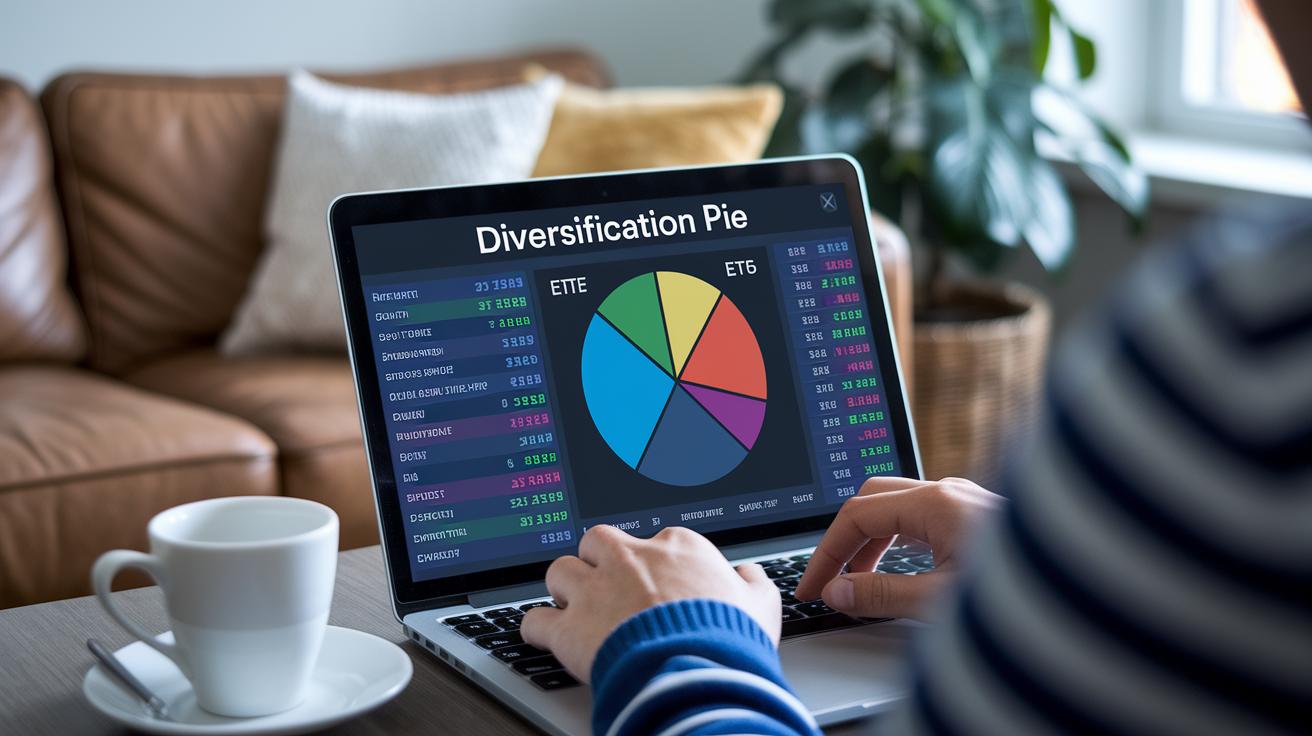
ETFs are a type of pooled investment fund that you can buy and sell on the stock exchange. They let you own a mix of securities like stocks, bonds, or even commodities with just one purchase. If you're curious to know more, you can check out this link: what is an etf.
Unlike mutual funds, ETF prices change throughout the day because of supply and demand. It’s a bit like a busy little market: when lots of people are buying, prices go up; when they sell, prices drop. Mutual funds only set their prices at the end of the day, but with ETFs you can adjust your investments any time while the market is open.
Another cool part is that you can start investing with just enough money for one share or even a part of one if fractional shares are available. This low entry cost makes ETFs a handy way to build a diverse portfolio without having to dump a lot of money upfront.
ETF vs. Mutual Funds and Stock Comparisons
Mutual funds get their price set only at the end of the trading day, so you only see one price after the market closes. ETFs, on the other hand, update their price all day long just like individual stocks do. That real-time pricing is a big draw if you like knowing exactly what you’re paying when you make a trade. Just imagine this: while you wait until after hours for a mutual fund price, an ETF’s value is already changing in real time.
When it comes to fees, ETFs usually cost less than mutual funds. Lower fees mean that more of your money is actually working for you over the long run. Think of ETFs like a handy, low-cost tool that lets you invest without eating into your returns. By contrast, mutual funds can come with extra charges that add up over time. This difference is a key point to consider when you’re comparing ETFs to mutual funds.
Also, ETFs give you instant diversification because each one holds a mix of assets like stocks, bonds, and even commodities. This is unlike buying individual stocks, where your success might hinge on just one company’s performance. Imagine having a basket of different fruits instead of putting all your money into one type; you get a balanced mix that helps lower your overall risk. All in all, when you line up pricing, fees, and diversification, it’s no wonder many investors lean toward ETFs for a smoother investing experience.
ETF Types and Diversification Strategies
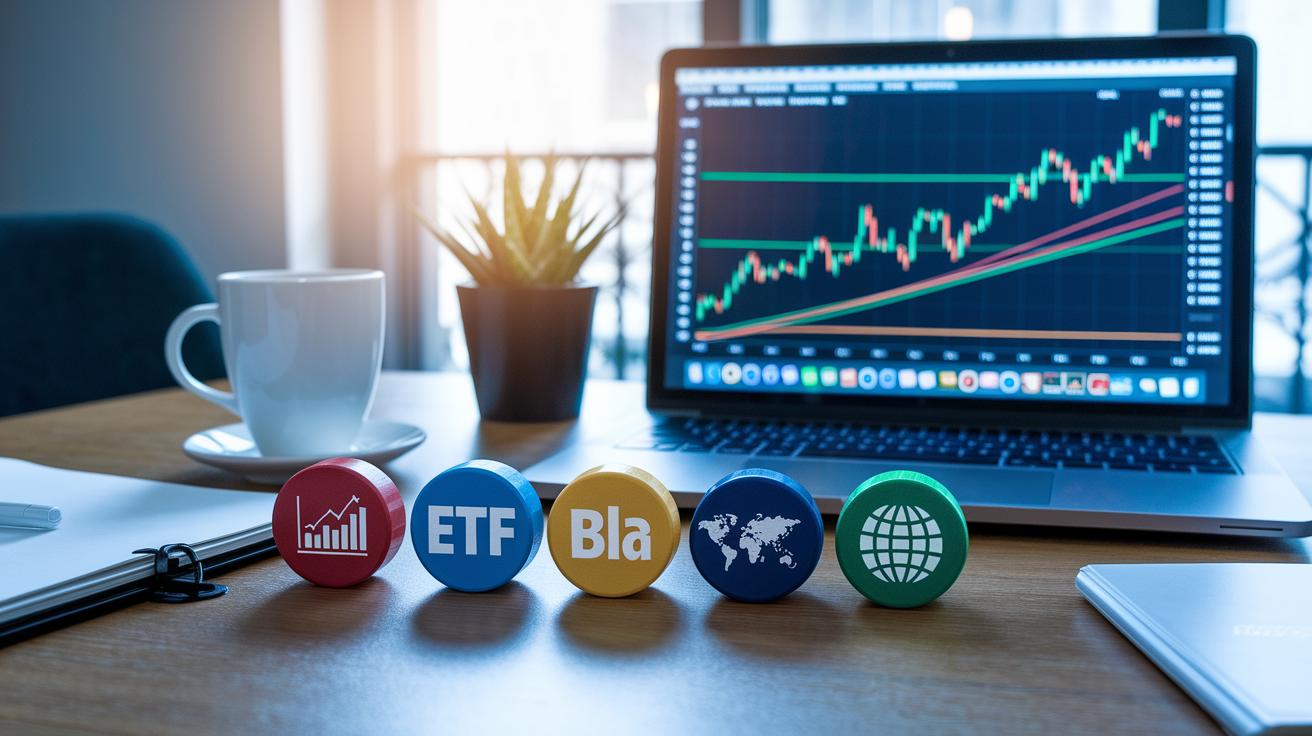
When you're building your portfolio, mixing different types of ETFs can really help balance your investments. Each ETF type gives you exposure to different markets and risk levels, which means you're not putting all your eggs in one basket. It’s kind of like filling up a grocery cart, you add a bit of everything for a full, balanced meal.
Take large-cap index funds, for instance. These funds, like the Vanguard S&P 500 ETF, let you tap into well-known blue-chip companies at a low cost. On the flip side, small-cap ETFs focus on companies with less than $2 billion in value, and they aim for quicker growth but come with a bit more risk.
| ETF Type | Underlying Asset | Risk Profile |
|---|---|---|
| Large-cap Index | Blue-chip stocks (for example, those in the S&P 500) | Low to Moderate |
| Small-cap | Companies under $2 billion | Moderate to High |
| Bond | Fixed income securities | Low |
| Commodity | Gold, metals, or other raw materials | Variable |
| International | Foreign market stocks | Moderate |
This mix of ETFs helps you balance the risk while keeping opportunities for growth open. Large-cap index ETFs give you a sturdy base, and small-cap ETFs add a spark of growth if you're okay with a little extra risk. Bond ETFs, with their focus on fixed income, act like a cushion when market ups and downs hit. Meanwhile, commodity and international ETFs let you join in on trends outside your home market, giving you extra variety. This blend of options can build a portfolio that not only adjusts to different market moods but also supports a steady, balanced investing approach over time.
ETF Fees and Expense Ratio Impacts
When you check out an ETF, the expense ratio tells you the yearly cost of running the fund compared to the money it holds. It covers basics like fund management, paperwork, and other everyday costs. The great thing is that when these fees are low, more cash stays with you, and even a little fee over time can really add up.
Now, there are a few extra trading costs too. For example, you might face tracking error (which means the ETF might not follow its goal exactly) and the bid-ask spread (a small difference between the buying and selling price). In busy ETFs, these extra costs are usually pretty minor, so most of your money stays put.
In the end, keeping fees low makes a big difference because you get to keep most of your gains. When an ETF has a modest expense ratio, your money gets a chance to grow more because of compounding (your earnings make more earnings). Even after considering those minor trading costs, funds with lower fees often deliver a better overall return, as shown in some studies on index funds (https://ebusinessplanet.com?p=5915). Paying attention to these fees and costs can help you invest smarter, leaving you with more money working for your future. Trust me, small fees can really change your investing game.
Choosing the Right ETF Trading Platform

A lot of online brokers let you start trading without needing a huge bank balance. You can sign up quickly, much like setting up an email account with just a few clicks. This ease lets you jump right into ETF investing without getting bogged down by hidden fees or extra paperwork.
When you’re checking out different platforms, see if they offer commission-free trades on ETFs. Some sites let you buy and sell without adding extra costs, which means more of your money stays invested. Imagine finding a place where every trade is free – it gives you the freedom to experiment and grow your portfolio without extra fees nibbling away at your returns.
You might also come across platforms with robo-advisors. These handy tools pick ETFs that match your risk tolerance and goals, working a bit like an automatic savings plan. It’s a smart idea if you’d rather set things up and then let your investments do the work while you focus on other parts of your life.
Constructing and Managing a Diversified ETF Portfolio
It all starts with knowing what you want your money to do. Do you plan to save for a home or build a retirement nest egg? When you write down your goals, it becomes easier to choose the right mix of investments. Think of this like putting together a balanced meal where every group has its part.
Next, take a look at what you already have and see where you might need more variety. It helps to set aside funds on a regular schedule, maybe every month or quarter, to steadily build your base. This steady approach is like a soft, constant drumbeat guiding your progress rather than getting caught up in daily price swings.
The plan is simple:
| Step | Action |
|---|---|
| 1 | Figure out your goals – decide what you really want to achieve financially |
| 2 | Plan your mix – figure out how much of each type of investment you need |
| 3 | Choose the right ETFs – pick funds that match your goals and comfort with risk |
| 4 | Set up automatic contributions – add money regularly without manual effort |
| 5 | Readjust now and then – tweak your holdings as market conditions change |
Sticking to your plan is the secret to letting compounding work its magic. Regularly adding funds and adjusting your mix can help smooth out the market’s ups and downs. With time and steady effort, your portfolio can grow in a balanced, secure way.
Tax Efficiency and Dividend Reinvestment in ETF Investing

ETFs are designed in a smart way that helps keep your taxes down. The managers swap bundles of stocks and bonds (securities) so you usually don't pay taxes on gains until you sell your shares. And if you hold ETFs in accounts like IRAs or 401(k)s, it’s like tucking your money away in a safe spot where fewer taxes can sneak in. It feels almost like a money magic trick, doesn’t it?
Plus, you can have dividends automatically reinvested to buy more shares. Every dividend payout then turns into a chance for more growth, almost like planting a tiny seed that eventually becomes a stronger branch on your financial tree. This little trick makes ongoing growth effortless and adds a smart boost to your investing game.
Assessing ETF Performance and Risk Metrics
When you're looking at ETFs, it helps to focus on a few key numbers. Historical performance tells you how a fund has done over the years, while standard deviation (a simple way to see how much returns can swing) reveals its ups and downs. Expense ratios show the yearly fee you pay, and tracking error explains how well an ETF sticks to its benchmark. Then there's the bid-ask spread, which is the price gap between buying and selling. For instance, an ETF with a low expense ratio and small tracking error might be a steadier choice than one with higher costs and a bigger price gap.
Screening tools are handy when sorting through ETF options. These online filters let you rank funds by risk-adjusted returns and yield. Think of it like a shopping list where you note your must-haves and the tool quickly points out which funds match your needs. It’s a simple way to cut through the clutter and make sure you cover important factors like how they handle market swings.
Another thing to keep in mind is the set of rules that protect your investment. For example, the 3-5-10 rule stops ETFs from holding more than 10% of another fund's voting shares. This helps keep things balanced and your risk lower. By keeping an eye on rules like this, you can steer clear of funds that might be too concentrated and work toward a smarter, lower-risk portfolio over time.
Final Words
In the action of ETF investing essentials, we broke down four simple steps, open an account, screen options, place trades, and monitor your portfolio. We touched on ETF trading mechanics, compared them to mutual funds and stocks, and explored smart diversification strategies. We also looked at fees, platform choices, and risk metrics to keep things clear and manageable. All these ideas power up your personal finance plan and show how to invest in etfs in a smart way, setting you up for a brighter financial future.
FAQ
How do I invest in ETFs for beginners, including tips from Reddit or using Fidelity?
Investing in ETFs means opening a brokerage account, using screening tools to pick funds that match your goals, and then buying shares on platforms like Fidelity or following beginner tips shared on Reddit.
How much should I invest in ETFs per month?
How much you invest in ETFs monthly depends on your budget and goals. Many start with a fixed amount, like $100 or more, to steadily build their portfolio over time while keeping a long-term view.
How much will I have if I invest $1000 a month for 30 years?
Investing $1000 monthly for 30 years can build a large sum. Compound growth may greatly increase your balance, though the final amount depends on market returns and any fees you might pay.
How do ETFs differ from mutual funds?
ETFs differ from mutual funds by trading on an exchange like stocks during the day, which gives you real-time pricing and lower fees in most cases. Mutual funds only price once a day after the market closes.
What are some good ETF examples, including Vanguard ETFs?
Good ETF examples include funds tracking broad indexes like the S&P 500. Vanguard ETFs are popular for their low costs and broad exposure, offering a solid option for investors looking for simplicity and balance.
What is an ETF?
An ETF is an exchange-traded fund that pools together stocks, bonds, or other assets into one fund that trades like a stock, giving you the benefit of diversification with one simple purchase.
What is the 3 5 10 rule for ETFs?
The 3 5 10 rule means that no single ETF should hold more than 10% of another fund’s voting shares. This guideline helps keep investments balanced and reduces the impact of any one holding.
What is the best ETF to invest $1000 in?
The best ETF to invest $1000 in depends on your risk tolerance and goals. Many investors choose broad-market funds like those tracking the S&P 500 for lower costs and reliable long-term growth.

