Have you ever wondered if a call from a debt collector could mark the start of a new financial path? It might sound odd, but those high bills that seem impossible to pay off might actually be easier to settle than you think.
This article walks you through simple steps to turn a heavy debt into a much smaller, manageable amount. It shows you how to check your bills closely and make fair offers that can really lessen your burden.
When you look at the numbers and suggest a fair deal, you're taking charge of your money. It might seem tricky at first, but smart moves like these can bring real relief and a sense of calm about your finances.
Master the Debt Collector Settlement Process: A Step-by-Step Roadmap
Under the FDCPA (Fair Debt Collection Practices Act) rules, collectors must send you a validation notice within five business days after they first contact you. This notice lays out your total debt and all the details you should double-check with your own records. If you find any mistakes, you have 30 days to dispute them. This is a key step in protecting your rights when you're settling a debt.
Usually, the goal of settling is to bring your debt down to a single, manageable sum, often around 40 to 60 percent of what you originally owed. Often, collectors get in touch three to six times before a deal is made. By following these simple steps, you'll be able to negotiate with more confidence.
- Go over the validation notice to confirm the amount. (For example, check that the number shown matches your own records.)
- Figure out a realistic repayment offer. (If your bill is $8,000, you might aim for somewhere between $4,000 and $5,000.)
- Write down your initial proposal. (Maybe say, "I can settle this account for $X.")
- Reach out to the collector and present your offer.
- Discuss the terms and adjust your offer if necessary.
- Get a signed settlement agreement. (It’s really important to have this agreement in writing to protect both you and the collector.)
Remember to keep copies of every document you send or receive, and note the dates of any calls or emails. Using certified mail and saving your delivery receipts can make a big difference later if you need to refer back to your negotiations. These practices will help you stay organized and confident as you work through the settlement process.
If you're looking for professional help, check out debt settlement services at https://getcenturion.com?p=2970
Validate Your Debt and Understand Collector Obligations

When a debt collector reaches out, it's important to check that the debt is real. You have 30 days to ask for proof that shows you truly owe the money. This step stops any more collection efforts until you see all the details.
When you send your letter, ask for the name of the original creditor, a clear history of your account, a list of charges, and proof that the debt legally moved to this collector. For example, you could write, "Please send me the original creditor’s name, an itemized balance, and documentation showing that this debt was legally transferred." This written confirmation helps you see the truth and catch any mistakes before you agree to pay.
Be sure to mail your letter using certified mail and keep the delivery receipt. That way, you have proof of your request, and the 30-day countdown starts right away. These easy steps protect your rights and ensure you have the full picture before any settlement talks begin.
Effective Tactics for Negotiating with a Debt Collector
When you start talking to a debt collector, it helps to be firm yet open. Experts say begin by offering about 30% of the total debt. That low offer gives space for the collector to come back with a counteroffer. For instance, you might say, "I can pay X amount, which is 30% of what I owe." This shows you’re serious about clearing the debt while keeping your budget in check.
When you're on the phone, try pausing after you make your offer. That quiet moment might get the collector to share more about what they can do. It’s a good idea to jot down details from each call, like the date and any changes in tone. If things aren’t heading toward a fair deal, don’t hesitate to say, "Can I speak with your supervisor?" This step often leads to better terms and clearer explanations.
Before you make any payment, make sure you get the new agreement in writing. This way, both sides know exactly what was agreed upon and you have a record to refer to later.
Crafting Your Settlement Proposal: Letter Templates and Offer Scripts

If you need a sample, grab our debt settlement letter template from this link: debt settlement letter template.
Letter Template for a Lump-Sum Offer
When you make a one-time lump-sum offer, keep your letter simple and clear. Start with the date and include your account number and creditor’s name. For example, you might write, "Date: ______; Account Number: ______; Creditor: ______." Then, explain your proposal by stating a percentage. Many people offer to pay 50% of the debt and set a 14-day deadline. So your letter could say, "I propose to settle this account by paying 50% of the total balance by [Payment Deadline]." This clear note opens the door for a discussion.
Telephone Negotiation Script Outline
When you call, begin with a friendly greeting to set a good tone. Next, explain your financial hardship briefly and say why paying the full amount isn’t possible right now. Clearly state your offer and then pause, letting the collector respond or suggest a different idea. Always ask for everything to be confirmed in writing before you make any payment.
| Template Type | Key Elements |
|---|---|
| Settlement Letter | Date, Account #, Offer %, Deadline |
| Call Script | Greeting, Explanation of Hardship, Offer, Written Confirmation |
Legal Considerations When Settling with a Debt Collector
When you settle a debt, remember that any amount forgiven over $600 may send an IRS Form 1099-C your way. This form tells the IRS how much debt was canceled, and that amount might be treated as income when you file your taxes. For instance, if the forgiven debt goes past $600, you might end up paying tax on that extra amount. It’s a good idea to hang on to every settlement document and receipt. That way, when you chat with a tax expert, you’re not caught off guard by any surprise bills later.
Even after you’ve settled, a “settled” account can stick on your credit report for as long as seven years. This mark might lower your credit score, so be ready for a recovery period. Debt collectors have rules under the FDCPA, which means they can’t make false threats, tack on extra fees, or call you at odd hours. Keeping detailed notes from calls and saving copies of any written deals can really help. These records will not only protect your credit but also ensure that collectors stick to the law.
Final Steps: Payment Methods and Securing Your Settlement
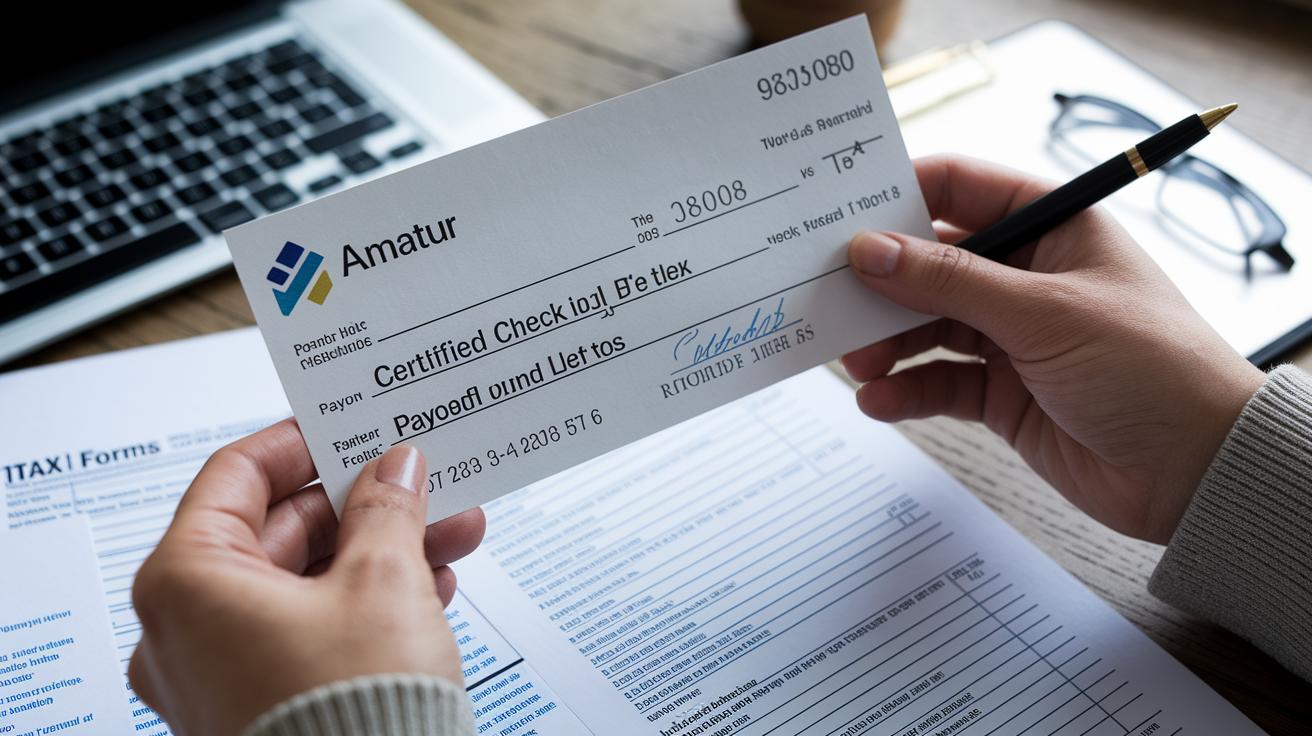
Pick a payment method that gives you a clear paper trail. Using a certified check, debit card, or ACH (a type of electronic transfer) means you always have proof of your payment. For example, if you send a certified check, your bank keeps a record you can revisit later if you need to check that everything went through.
After you make your payment, ask for a formal payoff letter right away. Write a short note asking for a signed letter that tells you your account is fully settled. Usually, collectors send this letter within about a week, so it's important to get it promptly. When you receive the letter, date it and keep it safe with your payment receipt. This paperwork acts as your legal safety net, showing that you and the other side agreed the deal was complete.
Post-Settlement Actions: Credit Reporting and Tax Filing
After you settle a debt, it's a good idea to check your credit report closely to make sure it reflects your new account status. Look over it carefully to see that the collector has marked your account as settled and that there aren't any extra fees or mistakes showing up. If something doesn't look right, don't wait to call the credit bureaus and dispute the error. Even though a settled account might drop your score by about 30 to 50 points at first, keeping an eye on your report really helps protect your credit.
Make sure you keep all your tax documents in a safe spot, especially if the forgiven debt is over $600 because you'll get an IRS 1099-C form (a tax form showing canceled debt). Save a copy for your records and include it with your tax return. It might be smart to chat with a tax professional to see exactly how to report it on your return. Staying organized can really smooth out any bumps when you're repairing credit or dealing with taxes.
Professional Assistance: When to Bring in a Debt Settlement Expert

Sometimes you might think you can handle your debt on your own, but it often turns out to be trickier than expected. When you take charge of a settlement by yourself, every detail is in your hands. Yet, having an expert negotiator can really lighten the load by offering clear advice. These pros usually work for about 15–25% of the settled amount. Sure, doing it yourself might seem cheaper at first, but hidden costs and extra issues can sneak up on you over time.
If you're dealing with several big debts or already have legal judgments against you, getting expert help might be the smarter move. I know attorney consultations can run around $200–$400, but that fee may be a small price to pay if it keeps you from bigger losses later on. Also, there are free online dispute tools from CFPB that mix independent advice with affordable help to clear things up.
Final Words
In the action, we outlined the steps to handle debt settlement confidently. We started with confirming your debt details under FDCPA, worked through smart negotiation tactics, and explored creating clear settlement proposals. We also covered the legal aspects, safe payment methods, follow-up on credit and tax matters, and when to consult an expert. Remember, a thoughtful settlement with debt collector approach can ease your financial load and boost stability. Keep these steps in mind, and you'll feel more secure in managing your personal finances.
FAQ
What does the FDCPA require regarding debt validation?
The FDCPA requires that debt collectors mail a validation notice within five business days of first contact. This notice outlines the debt details, giving you 30 days to dispute the balance if needed.
What are the essential steps to resolve a settlement with a debt collector?
The process involves reviewing the validation notice, calculating repayment offers, drafting a written proposal, contacting the collector, negotiating terms, and obtaining a signed settlement agreement to formalize the deal.
How can I effectively negotiate a debt settlement?
Effective negotiation starts with a low initial offer, often around 30% of the balance. Strategic silence and requesting to speak with a supervisor can give you extra leverage during the call.
What should be included in a settlement proposal letter?
Your proposal should include key details such as the date, account number, creditor name, your offer percentage, and a clear payment deadline. This clarity can increase acceptance rates significantly.
What legal issues should I consider before finalizing a debt settlement?
Legal aspects involve recognizing potential tax implications, such as IRS Form 1099-C for forgiven debt, and understanding that a “settled” notation may remain on your credit report for up to seven years.
How do I secure my payment and obtain a payoff letter after settling?
It is best to use traceable payment methods like a certified check or ACH. Requesting an official payoff letter within seven days of payment offers you legal protection and ensures the deal is fully documented.
When should I consider professional assistance for settling a debt?
Professional help becomes useful if you’re managing multiple debts or large sums and feel overwhelmed by the process. Professionals or debt settlement experts can guide you through negotiating on your behalf. For further professional options, check out debt settlement services.

