Have you ever seen your credit card balance go below zero and thought it was a mistake? Sometimes, when you pay extra or get a refund, you end up with a bonus balance. This might sound weird, but it means the credit card company actually owes you money. It can work like a little safety net or even feel like a mini cash reward for your future spending. In this post, I'll explain how these negative balances work and why they might be a nice perk for you.
Negative balance on credit card: a welcome twist
A negative balance means your credit card company actually owes you money. This happens when you pay more than you owe, get a refund, or have chargebacks that make your balance go below zero. For example, if your statement shows -$50, it's like having a little bonus waiting for your next purchase.
Imagine you paid an extra $20 on your bill one month. That extra money shows up as a negative balance, kind of like a safety net for future spending. Before you buy something new, you might discover that your card has a hidden perk ready to use.
Overall, this is a good thing. It tells you that you don't owe extra cash and it won't hurt your credit score. Credit bureaus treat these negative amounts as equivalent to a $0 balance, so you're in a safe spot. Think of it as a small financial reward that can help cover your future expenses or even be refunded to you if you'd rather have cash.
Negative Balance on Credit Card: Common Causes
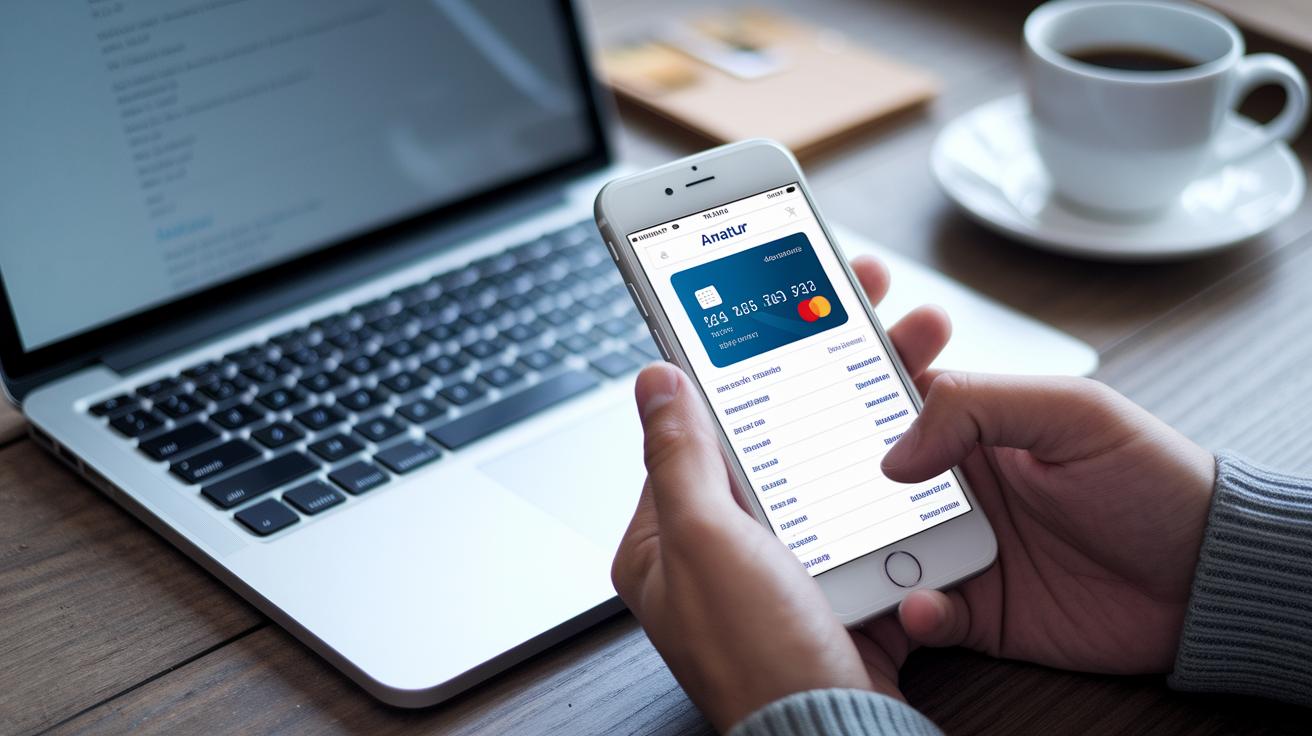
Sometimes you might end up with extra money on your credit card. This usually happens when you pay more than you owe or get a refund. It might seem strange, but it means your credit card company actually owes you money.
One common cause is overpaying your bill. For example, if you owe $250 and pay $300, you get a $50 credit. Think of it like giving your account a little bonus that you can spend later.
Another way this happens is when you return items after paying your bill. If you return something you already paid for, the refund can push your balance into negative territory. Imagine returning a $200 item after settling your bill, it can flip your balance to -$200.
Refunds or reimbursements from merchants also count. If a company gives you money back for a canceled order or a fee mistake, that refund comes in as a credit. It’s like getting extra cash back that shows up as a minus on your statement.
Sometimes, you might even see a negative balance because of chargebacks. When you dispute a charge that you feel was wrong, the amount gets removed from your bill and turns into a credit.
Finally, statement credits like rewards, bonuses, fee refunds, or fraud reimbursements can turn your positive balance into a negative one. For instance, if you get a bonus credit for a safe transaction, your account might show extra money waiting for you.
Each of these situations leaves a minus sign on your account, showing that the credit card company owes you money instead of you owing them. Isn't it interesting how that little symbol can mean so much?
Steps to Resolve a Negative Balance on Your Credit Card
When you use your credit card, each new charge helps fix a negative balance until it reaches zero. For example, if your card shows -$200 and you make a $250 purchase, the extra $50 becomes what you owe. It’s a simple way to gradually turn a negative balance into a positive one with every swipe. Isn’t that interesting?
Regulation Z says that if your account goes below zero by at least $1, you have the right to ask for a refund. Just send them a written request, and within seven business days, you should see that negative amount returned to you via check or bank transfer. This option is great if you’d rather have cash in hand than extra credit on your card.
Sometimes it helps to talk to someone directly. Give your card issuer a call or send them a secure message to learn about the refund process and timeline. Explaining your situation might clear things up quickly, making it easier for you to understand how the refund works just for your case.
Impact of a Negative Balance on Your Credit Card Account

When your credit card shows a negative balance, it actually appears as a $0 balance on your credit report. This means that even if you overpay or get credits that lower your balance below zero, it won't lower your credit score. Instead, that extra money acts like a temporary boost to your available credit. For example, if your statement says -$100, you effectively have an extra $100 to spend until you start using your card again, and your balance gradually goes back to zero as you make new charges.
This extra credit can feel like a little bonus that gives you more buying power. It helps cover your transactions without tampering with your credit standing. However, if you frequently overpay by large amounts, your card issuer might keep an eye on your account, since such activity could sometimes look like money laundering (illegal process of making large amounts of money generated by criminal activity appear legally earned).
If you ever choose to close your card while it still shows a negative balance, the issuer is required to send you back the extra money through a check, a bank transfer, or something similar. This way, the process makes sure that even if your account seems to have extra funds, your overall financial situation remains secure and positive.
Negative Balance on Credit Card: Frequently Asked Questions
Does a negative balance affect my credit score or credit limit?
A negative balance shows up as $0, which means it’s seen as a paid balance without any debt. It might make your available credit look a bit higher for a short while, but your overall credit limit stays the same. Even a negative balance won't lower your credit score because credit bureaus treat it like you owe nothing.
Can I use my card if I have a negative balance?
Yes, you can still spend using that extra credit until it runs out. Think of it like a little bonus that slowly decreases with each purchase. Imagine buying a cup of coffee and watching that bonus shrink a bit with every sip.
How do I get a refund for my negative balance or close my account?
You can ask for a refund by writing a letter to your card issuer. Federal rules (Regulation Z, which sets guidelines for credit cards) require that you receive a refund for any negative balance of a dollar or more within seven business days. This rule also holds true if you decide to close your account, the issuer must give you back the extra money first.
If you want your refund, just contact your issuer in writing, and they have to return your funds within seven business days.
Final Words
In the action of handling your finances, a negative balance on credit card shows that extra money is available on your statement. We explored how extra funds from overpayments, refunds, or chargebacks can work for you. You learned ways to use the credit, ask for a refund, or simply let it roll over safely. Remember, every extra cent is a chance to keep your budget secure and your decisions smart. Stay positive and keep growing your financial confidence.
FAQ
Q: What happens if a credit card balance is negative?
A: A negative balance means you overpaid or received a refund, so the card issuer owes you money. It shows as extra credit on your statement and does not hurt your credit score.
Q: Is it bad to have a negative balance on a credit card?
A: A negative balance is not bad; it simply means you paid in excess. This extra credit can cover future purchases and is reported as a zero balance to credit bureaus.
Q: How do I get my money back from a negative credit card balance?
A: To get your money back, contact your issuer and request a refund in writing. Regulation Z requires issuers to return negative balances of –$1 or more within seven business days.
Q: Can I use a negative balance on my credit card for transfers or purchases?
A: A negative balance acts as extra credit, so new charges reduce it until your balance returns to zero. Direct transfers of money aren’t typically available from credit card accounts.
Q: How does a negative balance appear on Discover or Chase cards?
A: Negative balances on Discover or Chase appear as a minus amount on your statement. They work similarly across issuers and show that your account has been overpaid.
Q: How can I get a negative balance on my credit card in the first place?
A: Negative balances can happen when you overpay, get refunds, receive chargebacks, or receive statement credits. These actions cause the issuer to owe you money, resulting in a negative balance.
Q: How long can a credit card remain in the negative?
A: A credit card can remain in the negative until you use it for new purchases or request a refund. The duration depends on how you manage the extra credit on your account.
Q: What happens if I overpay my credit card balance?
A: Overpaying your credit card creates a negative balance, meaning your account shows extra credit. You can use this credit for future purchases or request a refund from your issuer.

