Have you ever thought that your credit card might help you travel farther than your savings account? Some travel cards can boost your journeys by giving you free flights, hotel nights, and extra treats. Imagine earning 60,000 bonus points through just a bit of spending, that could even fund your weekend getaway. In this post, we'll look at a few cards and explain each perk in simple terms so you can pick the one that fits your travel style. Let's see how your everyday purchases can add up to new adventures.
Top Travel Rewards Credit Cards Compared
| Card | Sign-Up Bonus | Point Earning/Rate | Annual Fee | Core Features |
|---|---|---|---|---|
| Chase Sapphire Preferred | 60,000 points (after spending $4,000 in 3 months, worth about $750) | Bonus points on travel and dining | $95 | Flexible transfers, travel protections |
| Capital One Venture Card | Variable welcome bonus | 2x miles per dollar on all purchases | Typically $95 | No foreign fees, simple rewards |
| Southwest Rapid Rewards Priority | 85,000 points (after spending $3,000) | Points on Southwest purchases | $149 | Great for domestic travel |
| Marriott Bonvoy Boundless | 150,000 points after minimum spend | Points on Marriott stays | Typically $95 | Hotel elite status, big reward network |
| The Platinum Card® from American Express | 80,000 points with bonus credits | Points on travel and premium buys | About $550 | Resort credits, lounge access, premium perks |
Each card comes with its own set of perks based on your spending and travel style. For example, the Chase Sapphire Preferred is a smooth pick if you're after a solid bonus with moderate spending. Imagine racking up 60,000 points after spending $4,000 in just three months – it can really help pay for a weekend escape.
If you value simplicity, the Capital One Venture Card might be the one for you. It offers 2x miles on every purchase and keeps things hassle-free with no extra fees when you spend money abroad.
For those who mostly travel domestically, the Southwest Rapid Rewards Priority Card stands out. It gives you a hefty 85,000 points after a modest spend, making your trips feel even more rewarding.
On the other hand, if hotel stays are where you earn your rewards, then the Marriott Bonvoy Boundless card could be a great match. With a bonus of 150,000 points and rewards tied to Marriott stays, it's hard to beat for frequent hotel guests.
Lastly, if you crave premium experiences like lounge access and special credits, The Platinum Card® from American Express steps up your game with its bonus points and extra travel perks. Have you ever felt that luxury can make travel feel extra special? This card might just be your ticket.
Key Criteria for Selecting Travel Rewards Cards

When you're on the hunt for a travel rewards card, the first thing to check is whether it has no foreign fees. Think about it: a card like Capital One Venture lets you use it overseas without any extra charges. This is a huge plus if you love packing your bags and exploring new places.
Next, take a look at the annual fee. Some cards, like Chase Sapphire Preferred, have a modest fee of around $95. Then there are the premium cards that cost a bit more in exchange for extra perks. Consider your travel habits and budget to figure out which fee fits you best.
It also helps to review the bonus categories. Some cards let you earn double or even 10 times as many points on spending like travel, dining, or hotels. Imagine paying for a nice dinner and then seeing those bonus points add up quickly, it might just boost your rewards in no time.
Finally, think about the reward networks. Look for options like bonus transfers with airline or hotel partners or chances to earn elite-status perks. Cards offering extra benefits internationally or giving high-mileage rewards give you more freedom and value for all your upcoming trips.
Premium Travel Rewards Cards vs Fee-Free Options
Travel rewards cards can be a bit confusing at first. On one side, you've got cards like Chase Sapphire Preferred, which cost about $95 a year. They give you good bonus points, travel protection, and easy point transfers. It’s a neat step up if you want better travel benefits without spending too much.
Then there are premium cards like The Platinum Card from American Express. This one costs around $550 each year but offers cool perks like lounge access, annual airline credits, and extra travel benefits that make a big difference if you fly a lot. These cards are for folks who love extra comforts and don’t mind paying a higher fee for them.
For beginners, there are also no-annual-fee travel cards. These let you earn rewards without an extra cost, which is great if you want to keep your spending simple. Plus, if you ever decide to upgrade later, switching to a no-fee option can help you maintain a steady credit history while saving money.
Ultimately, it comes down to your travel habits and budget. Ask yourself if those extra premium benefits are worth the extra cost, or if a fee-free card fits better with your everyday spending.
Airline Co-Branded vs Flexible Travel Rewards Cards
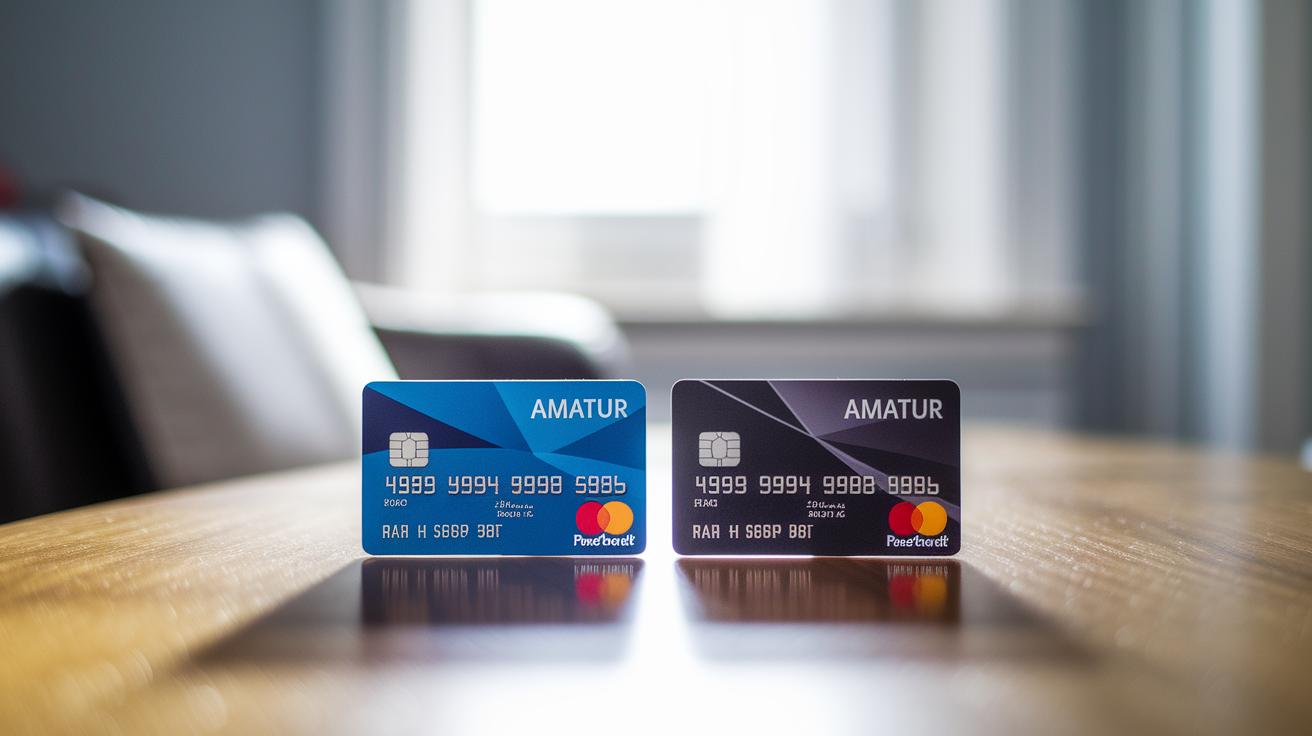
Many travelers wonder if they should go for an airline-only card or a travel rewards card that lets them earn points almost anywhere. Airline-specific cards, like the Southwest Rapid Rewards Priority, come with cool bonuses if you stick with one airline. They can even give you perks like bonus boarding or early check-in. But if you love switching to different airlines, these cards might feel a bit limiting.
On the flip side, there are cards like the Chase Sapphire Preferred or Capital One Venture that let you collect points you can use globally. These cards let you transfer points to partners such as World of Hyatt or United MileagePlus (loyalty programs run by hotels or airlines). Imagine spending each dollar and then booking flights on different carriers. It’s a handy option if you travel a lot or appreciate more freedom when planning your trips.
In the end, your choice depends on your own travel habits. If you have a favorite airline and enjoy the special benefits that come with sticking to one brand, a co-branded card might be your best bet. But if you value the ability to redeem points with many carriers and want more travel options, a flexible travel rewards card would be ideal.
Maximizing Sign-Up Bonuses and Timing Applications
Timing your applications can really boost your travel rewards. A good plan is to apply for one card every 90 days. For example, if you spend about $4,000 in three months, you could earn 60,000 Chase points. Many travelers think these points are worth around $750 when used for travel. It works like a mini goal: spend $4,000 and earn 60,000 points.
Think about planning your monthly spending between $2,000 and $5,000 on travel credit cards. This way, you can hit bonus targets without overspending. Picture using your travel card for gas, groceries, and dining, and watching your bonus points build up with each purchase.
It is also smart to avoid common pitfalls. For example, remember the Chase 5/24 rule and space out your applications to avoid too many new credit inquiries. And if you look at cards like Southwest Rapid Rewards Priority, you only need to spend $3,000 to get an 85,000-point bonus. Some cards, like Marriott’s, might require you to hit a higher spend to earn a large bonus, such as 150,000 points.
Here is a simple list to help guide you:
- Apply for a new card every 90 days.
- Try to meet each card’s monthly spending target of $2,000 to $5,000.
- Know the bonus thresholds: $4,000 for 60,000 Chase points, $3,000 for 85,000 Southwest points, and so on.
- Keep an eye on your overall credit health and space out your applications.
This step-by-step plan can help you earn the most bonus points without hurting your credit score.
Effective Travel Rewards Redemption Strategies

If you want to get the most out of your travel rewards, how you use them really matters. For instance, with Chase Ultimate Rewards points, booking through their travel portal usually gives you about 1.25 cents per point. That means if you have 100,000 points, you could cover roughly $1,250 in travel costs. You can also transfer your points one-for-one to a partner. Think of it like turning everyday spending into an opportunity for a top-notch travel experience.
Capital One miles work pretty much the same way. When you use them as statement credits for travel, each mile is typically worth 1 cent. It might seem small at first, but these tiny differences can add up over time. Imagine using rewards from a regular purchase to get an upgrade to a nicer hotel room.
Marriott Bonvoy rewards offer another smart option. When you book award nights at Marriott, you can often get extra value, especially during busy times when cash prices are high. Using your points wisely here might mean you get about 2 to 3 cents per point, sometimes even hitting 3 cents.
Here are a few simple tips:
| Tip | What to Do |
|---|---|
| Compare Options | Always check different redemption methods to see which works best. |
| Go Premium | Try to book business class flights or upscale hotels when possible. |
| Check Transfers | Look at partner transfer ratios to see if you can snag a better deal. |
Choosing the right way to use your rewards is like finding the perfect piece to a puzzle. It stretches your points further and helps you get that dream trip you've been planning.
Travel Protections and Perks on Rewards Cards
Travel protections on rewards cards are more than just nice extras. They help smooth out travel bumps along the way. For example, the Chase Sapphire Preferred gives you baggage delay insurance, which means you can cover unexpected costs when your luggage takes its time. Did you know that even when your bags are late, you can get reimbursed for essential items so you can travel with a little less worry?
The Platinum Card from American Express makes long waits at busy terminals feel a bit friendlier. With Priority Pass lounge access, you can chill in a cozy airport lounge before your flight and even snag a $200 airline fee credit each year. Imagine settling down with a quiet snack and a comfy seat for a change.
Then there's Capital One Venture X, which rakes in 10x miles when you book travel straight through Capital One. Plus, you get a $300 travel credit every year, which really helps your trips pay you back. And if you love staying at hotels, the Marriott Bonvoy Boundless card upgrades you automatically to Silver Elite status, giving you extra perks wherever you rest your head.
These features show that a travel-focused credit card doesn’t just earn points, it covers those little travel hiccups too.
Common Pitfalls in Travel Rewards Programs

Be careful with tactics that might hurt your credit more than help it. Card churning, which means opening cards just to score a big bonus and then closing them soon after, can lower your available credit and drop your score. Credit utilization (the amount of your available credit you use) should stay under 30% since it plays a big part in your overall score. Spending too much on new cards can push your credit limits and lead to risky money habits.
Here are some key points to keep in mind:
- Avoid card churning so your available credit stays healthy.
- Keep your credit utilization below 30% to look good to lenders.
- Stick to fewer than five new card applications in any 24-month period to follow the Chase 5/24 rule.
- Instead of closing premium cards, downgrade them to keep your account age intact.
Too many card applications might trigger inquiries that lower your score, and closing accounts too often can shorten your credit history. Plan your applications carefully and choose cards that really match your travel style. This smart approach helps you build rewards slowly without any sudden credit setbacks.
Choosing the Best Travel Rewards Card for Your Travel Style
When you're picking a travel rewards card, think about more than just how often you fly. Your habits might change over time, too. For example, imagine a traveler who chose an airline-specific card when they flew a lot within the country. Later, once they began working from home, they switched to a flexible rewards card so they could explore more travel options. Here's a fun fact: before taking on a remote work role, Mark stuck with a domestic card. But when his trips started going overseas, he realized a flexible card fit his new lifestyle much better.
If you mostly fly within your country, sticking with an airline-specific card can still get you some great perks. But if your travels start taking you around the globe, a card that lets you transfer points between partners might serve you best. Business travelers should look for cards that boost points for hotels and rental cars. And if you're someone who takes vacations every now and then, you might want to choose a fee-free card that offers bonuses in many different ways, especially if you're still figuring out your travel routine.
Keep these points in mind:
- Change your card if you start traveling more often.
- Reevaluate if work or family shifts change your travel needs.
- Look for cards that give you flexible ways to use your points when flying abroad.
| Travel Style | Real-World Tip |
|---|---|
| Domestic Flyers | Stick with airline-specific perks until your travel expands. |
| International Travelers | Choose cards with flexible point transfers as your trips diversify. |
| Business Travelers | Pick cards that boost points on hotels and rental cars. |
| Occasional Vacationers | Consider fee-free cards if you travel less often. |
When choosing a rewards card, plan not just for how you travel today but also for how your life might change tomorrow.
Final Words
In the action, we compared top travel rewards cards and broke down the details on sign-up bonuses, fees, and redemptions. We looked at how different cards suit various travel styles and spending habits. You got a clear picture of options that support smart credit management while enjoying perks like travel protections. These insights help steer you toward the best credit card rewards for travel and foster a stable financial path. Enjoy the benefits and make your next trip even more rewarding!
FAQ
What is the best credit card for international travel rewards?
The best credit card for international travel rewards offers flexible point transfers, no foreign fees, and strong welcome bonuses. Cards like Chase Sapphire Preferred deliver competitive rewards and international travel perks.
What travel credit cards offer no annual fee?
The travel credit cards that offer no annual fee are ideal for beginners. They let you earn bonus points without recurring costs while providing enough travel benefits to get you started.
Which credit card gives the best rewards for travel?
The credit card that gives the best rewards for travel maximizes points and miles with attractive sign-up bonuses. Options like Chase Sapphire Preferred and Capital One Venture reward you well through flexible redemptions and travel perks.
Which credit card gives 5% back on travel?
The credit card that gives 5% back on travel features boosted rewards on travel spending. While no card offers a flat 5% back across all travel expenses, some cards provide high rewards in selected travel categories.
Which credit card has the best flight benefits?
The credit card with the best flight benefits includes perks such as lounge access, travel credits, and premium protection. Cards like Chase Sapphire Reserve and American Express The Platinum deliver added comforts for frequent flyers.
Which card is best for travel expenses?
The card best for travel expenses combines bonus earning, low fees, and travel protections. Options like Capital One Venture or Chase Sapphire Preferred offer rewards on everyday purchases along with travel benefits like insurance and credits.
How does Chase Sapphire Preferred compare to premium travel cards?
The Chase Sapphire Preferred stands out by offering competitive rewards with a moderate annual fee. It provides strong travel benefits and flexible point transfers, making it a solid option for both casual and frequent travelers.
What should beginners consider in travel credit cards?
Beginners in travel rewards should look at low fees, clear reward structures, and easy redemption options. No-annual-fee cards provide a simple way to build rewards before considering cards with advanced perks.
What travel credit card offers lounge access?
The travel credit card that offers lounge access includes premium options like American Express The Platinum, which provide added benefits such as lounge passes and airline fee credits for a more comfortable travel experience.

