Have you ever thought that each dollar you earn might be taking a little bit of your time? In 1992, two clever thinkers changed our view of money. They said cash is more than just a way to buy things; it also stands for the time and effort you put in. Today, let's take a look at how smart spending can help you enjoy both your money and your life. This new way of thinking might just change how you see every purchase and help you make choices that really matter.
Overview of Your Money or Your Life: Origin, Meaning, and Relevance

Your Money or Your Life started back in 1992 when Vicki Robin and Joe Dominguez decided to change how we see money. They believed money is not just about buying things; it’s a way to measure our time and energy. Imagine that every dollar you earn is a little bit of your life, slowly slipping away if you don’t spend it wisely. This idea really makes you think, does earning more money always mean you’re living a better life?
The book lays out a nine-step plan to help you gain financial independence. It guides you through tracking every expense, figuring out exactly how much you earn per hour (yes, even including the time you spend getting to work), and learning to tell apart what you really need from what you simply want. Before there were fancy apps or spreadsheets, people would keep meticulous records in simple ledgers, a practice that set the stage for how we manage money today.
Over the years, the book has evolved to keep up with our fast-changing financial world. Its fresh way of thinking has led many to completely rethink their money habits. By teaching us to see every purchase as a trade-off of our precious time and energy, Your Money or Your Life offers a clear path to making choices that feel both smart for our wallets and true to our personal values.
Your Money or Your Life Nine-Step Program Explained

This guide gives you simple, everyday ways to change how you spend money and move toward real financial freedom. Each step is a little nudge to help you see where your cash goes and how you can use it better.
- Step 1: Keep track of every purchase with a basic app or a simple spreadsheet. It’s like writing down, every day, where each dollar was spent.
- Step 2: Figure out your true hourly wage by counting in the time you spend on travel and preparation. This helps you see the hidden cost of your work.
- Step 3: Learn to tell apart your needs from your wants by figuring out your "point of enough." Imagine knowing exactly what really matters to you.
- Step 4: Write down your monthly income and expenses using a family budget plan. It makes your money matters clear and easy to follow.
- Step 5: Stop buying things that don’t add any joy or value to your life. Focus instead on spending that makes you feel good.
- Step 6: Try a One-Month Challenge by living only on the absolute essentials for 30 days. This little experiment can really change your habits.
- Step 7: Make small tweaks to your daily routine so that you save more money than you spend each month.
- Step 8: Put your savings into low-risk, income-producing investments (safe tools that help grow your money steadily). It’s a smart way to boost your savings.
- Step 9: Keep up the habit of spending mindfully so that your financial path stays on track.
Each of these steps helps you make smarter money choices by simply tracking and planning. Start small – maybe just note down your daily coffee expense. Before long, you’ll see a clearer picture of your finances and feel more in charge of your money.
Life Energy and True Cost in Your Money or Your Life

Imagine each dollar you spend is a tiny bit of your life. Your paycheck is really a record of time and energy you put in. When you use money to buy something, you're trading part of your life for that item. Have you ever thought about whether you're spending too much of your life on things that don't really make you happy?
One way to see the hidden cost is by figuring out your true hourly wage. Add up all the hours you work, including the time you spend getting ready or driving to work. For example, if you earn $20 per hour but lose time on commuting, your actual earning might be closer to $15 per hour. It makes you wonder if some purchases are really worth the extra time you give away.
You can even set up a simple system to rate your spending. Use a plus sign (+) if buying something feels like it adds energy to your life. If it doesn't really change much, mark it as a zero (0). And if it leaves you feeling drained, give it a minus (–). This little trick can help you step off the endless treadmill of buying things and lead you to spend your money more wisely.
Taking a closer look at your spending this way might just help you make choices that feel better for your life overall.
Transforming Spending Habits with Your Money or Your Life

Start by writing down every single expense, whether it’s in a simple notebook or a spreadsheet. It feels almost like watching your money dance away you know. Try a one-month challenge where you only spend on the absolute must-haves. Instead of splurging on extras during a fun weekend outing, stick to what really matters. This way, you learn which purchases add joy and which just drain your energy.
Next, think about embracing a simpler, minimalist mindset. Clearing out items you no longer use can clear your mind too. When you tidy up, you start seeing the real difference between things that boost your happiness and items that only clutter your space. Before you buy something new, ask yourself: "Does this really support my values?" A little reminder of what’s important can turn impulsive buys into thoughtful choices.
| Spending Habit | Description | Action Tip |
|---|---|---|
| Impulsive Spending | Buying on a whim without much thought | Take a pause and rate if it truly satisfies you |
| Value-Based Spending | Spending that aligns with your core beliefs | List your top three values before making a purchase |
| Minimalist Living | Keeping only items with a clear purpose | Follow a one-in, one-out rule when buying something new |
Aligning Financial Decisions with Personal Values in Your Money or Your Life

Before you make a big purchase, take a moment to think about what really matters to you. Maybe it’s family, creativity, or your community. When you're planning to spend something important, ask yourself a simple question: "Does this choice match my personal goals?" It’s a quick check that can change the way you spend.
Try keeping a gratitude journal where you note little wins that aren’t about money. For example, write down, "Today, a friend’s kind word made my day better than any new gadget could." This helps you see that real joy sometimes comes from the small moments, not just a purchase.
It can also help to talk with people who share your beliefs. Chat with friends or join a small group that talks about balancing life and money. Being around people with the same ideas can boost your confidence when you choose what feels true to you.
Think of work as more than just a way to earn money. Look for jobs that make you feel alive and inspired instead of only seeking a higher paycheck. By regularly taking a moment to reflect on your spending and career choices, you create space for a richer, value-filled life.
Socio-Economic Impact of Your Money or Your Life

Your Money or Your Life has really changed how lots of people look at money and work. It kicked off the FIRE movement (a call for Financial Independence, Retire Early) when it first came out in 1992. The book makes you think about how every dollar shows a piece of your energy and life. People everywhere have caught on to its ideas about money freedom.
Many readers have shared their thoughts online and in community chats. One reader, a Navy retiree, said the book helped him leave his stressful job and enjoy life on his own terms. Others took a closer look at their wages and realized that regular work might be costing them more than they thought.
Newer editions of the book talk about the money problems we face today, so its advice still fits right in. All these shared stories and chats prove that the book continues to boost our understanding of money and gives us simple steps to improve our financial lives.
Here's a surprising fact: a Navy retiree once used this method to quit his stressful job without fretting about cash, turning his life around for more peace. Conversations around the world keep sparking new ideas, showing that small, everyday money moves can really change lives.
Practical Tools and Updates Inspired by Your Money or Your Life
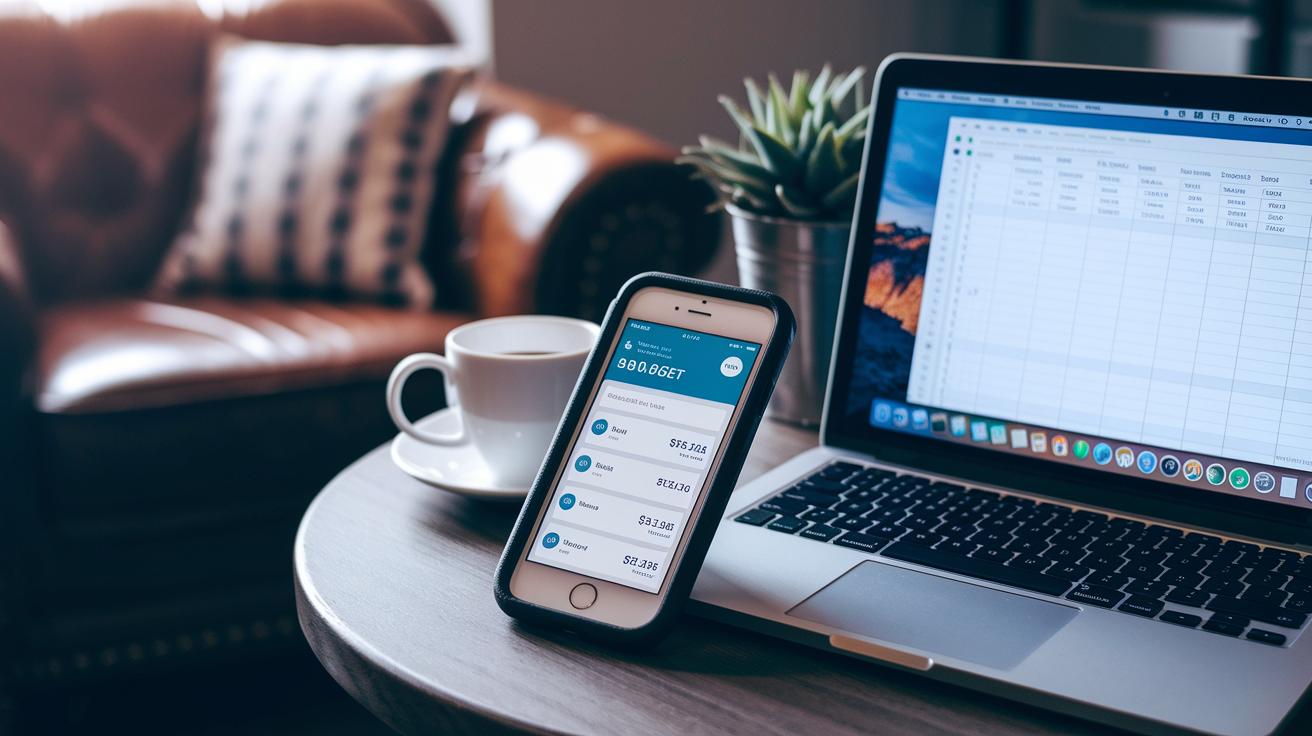
Modern digital tools mix perfectly with time-tested methods. Simple apps for tracking your spending and easy spreadsheet templates now work hand in hand with classic budgeting ideas. I once used an app to log every purchase, and it made checking my daily spending a breeze.
Online calculators now do the hard work for you, even factoring in extras like your commute (the time and money it takes to get to work). This mix of old-school budgeting and new tech shows you what each dollar really means. I was surprised when I first saw how my daily drive cut into my actual earnings.
New One-Month Challenge versions now cover subscriptions and regular costs along with your essential spending. This easy plan helps you see which charges add value to your life and which ones might be cut back.
Low-cost investing platforms let you start with small amounts of money. They stick to classic ideas like spreading out your risk (not putting all your eggs in one basket) while using smart digital tools. It’s a fresh way to keep old advice useful in today’s money world.
Final Words
In the action of exploring this guide, we traced the origins and real meaning behind your money or your life. We broke down every step, from tracking expenses to understanding your true hourly wage, and shared tips for aligning spending with personal values. We also saw practical tools you can use today to keep your finances on track. Each small step brings you closer to a stable future. Every smart financial choice helps create a positive shift in your money or your life. Here's to progress and a future that feels brighter.
FAQ
Is Your Money or Your Life worth reading?
The question of worth reading highlights that the book offers clear, practical steps for rethinking spending habits and achieving financial freedom. It’s beneficial for anyone looking to transform their personal finance mindset.
Is Your Money or Your Life still relevant?
The query about relevance shows that the book’s ideas remain useful. Its practical guidance on tracking expenses and aligning spending with values applies well to today’s financial challenges.
Who said Your Money or Your Life?
The question of authorship reveals that Vicki Robin and Joe Dominguez wrote the book. They intended to help readers understand money as a trade-off with time and life energy.
How many pages is Your Money or Your Life?
The inquiry about page count points out that the book typically spans around 300 to 400 pages, varying with the edition, and provides a detailed nine-step guide toward financial independence.

