Ever wonder if rental properties could do more than just pad your wallet with extra cash? They can bring in a steady income without you having to clock in at a job every day. Imagine making money on the side while your property slowly gains value over time. The Internal Revenue Service (the government office that handles taxes) sees this as passive income, which means you enjoy regular cash without the daily hustle. In this article, we'll dive into how smart rental decisions can boost your profits and even change how you think about building long-term wealth.
Maximizing Passive Income through Rental Properties

When you own rental properties, the IRS usually treats the money you make as passive income. That means you earn it regularly without needing to work on it every day. Most rentals fall into this category, even if you're not working full time repairing or building houses. But if you get very hands-on with things like constant repairs or new construction, the IRS might consider your income as active. In that case, the way you're taxed could change, much like your regular paycheck.
Measuring how well your rental is doing is pretty important. One key figure is the cash-on-cash return. Think of it like this: if you invest $50,000 and end up making $5,000 net each year, that means you're getting a 10% return on your cash. Then there’s asset appreciation, which tracks how the property’s value might go up by about 3 to 5% each year. Another helpful metric is the operating-expense ratio. This shows how much of your gross rental income goes to cover expenses and helps you see if you're running things efficiently.
The perks go beyond a steady paycheck. Rental properties let you build long-term equity, which adds up to solid investment returns over time. To get there, it pays to do your homework. This means picking the right property, looking closely at all the costs, and even spreading out your investments to lower any risks. These careful steps not only boost your profits but also protect your money in the long run.
Selecting High-Yield Rental Properties for Cash Flow
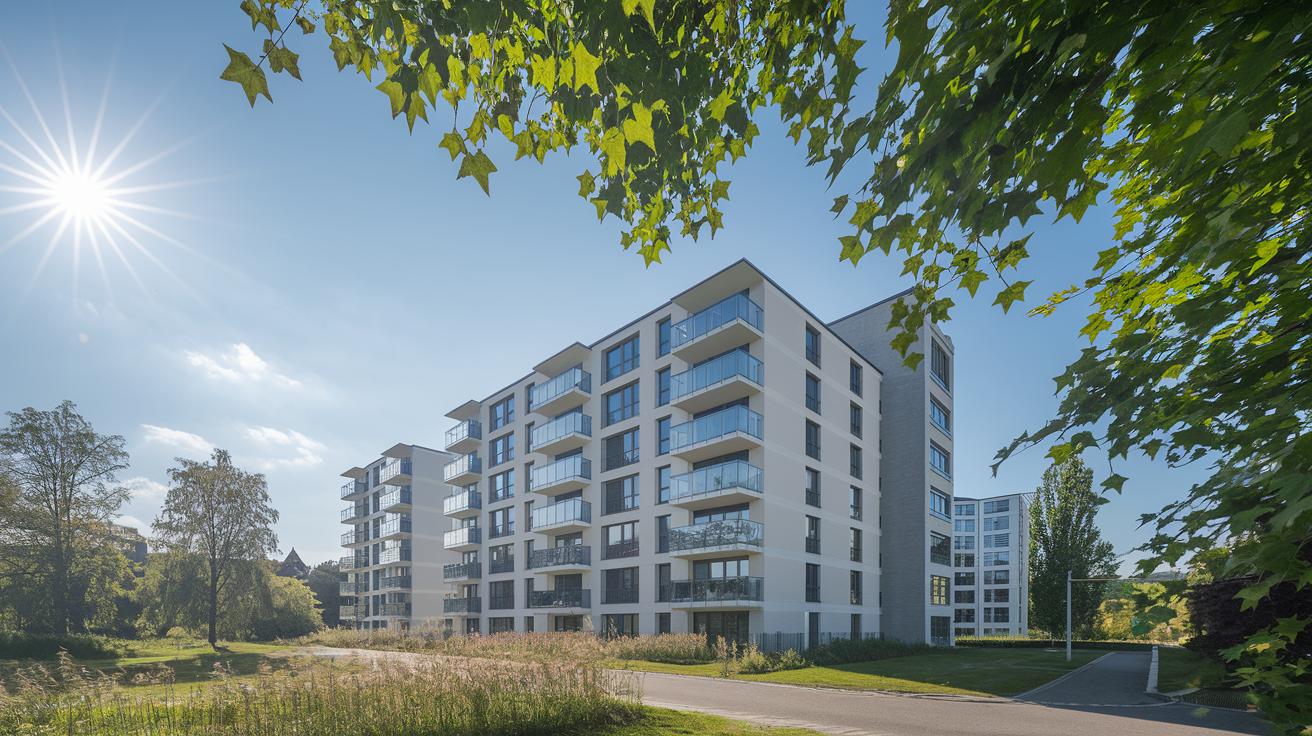
When looking at rental properties to earn extra money, it's smart to focus on those that give a steady cash flow. Different types of properties bring different results, and knowing these little details can help boost your earnings. Think about one-family homes, apartment buildings, or vacation rentals that are ready to go. Each option has its own perks that may affect your yield. For example, an investor who spent $200,000 on a rental, with $20,000 used for land and closing costs, shows how the money you invest upfront matters. And when you invest in buildings with many units, it can make it easier to fill empty spots and keep things running smoothly.
| Property Type | Average Cash Flow Yield | Key Considerations |
|---|---|---|
| Single-family residence | 5% – 7% | Less complicated management, local market trends |
| Multi-unit apartment | 6% – 9% | Better vacancy handling, shared expenses |
| Turnkey vacation rental | 7% – 10% | Popular locations, frequent turnover |
Finding the right balance between the money earned and the work needed is very important. Investing in properties that yield high returns means you must consider both the cash flow numbers and the type of management required. Whether you choose move-in ready units or a building with many apartments, always weigh the benefits against the time and effort needed to get the return you want.
Financing Strategies for Rental Property Investments

There are many ways to finance a rental property. You can go with fixed-rate loans like a 15-year or 30-year mortgage to keep your monthly payments predictable, or choose adjustable-rate loans that may start lower but can change with the market. Some investors even pick interest-only loans so they only pay the interest for a while, easing the early cash flow. Each option has its own perks, and the best one really depends on your money situation and what you hope to achieve.
When planning to buy a rental, you need to think carefully about down payments and borrowing too much money. For example, if you buy a property for $180,000, add about $5,000 in closing costs, and put down 20%, you’ll see exactly how much cash you need upfront. Borrowing some funds can boost your returns, but it also means taking on more risk. Most experts say it’s smart to keep your borrowed money to less than 75% of your own cash invested, so you aren’t caught off guard if the market shifts.
It’s really important to weigh interest rates against how much risk you’re taking. A good idea is to check the current mortgage rates and compare them with past averages using an online tool. Lower rates can help your cash flow and boost profits, while keeping risks in check. When you look at these financing choices carefully, you're setting yourself up for steady, long-term income from your rental property.
Rental Property Management for Sustained Passive Revenue

Taking care of rental properties when you're far away can really be a handful. Picture this: You're trying to pick the right tenants, collect rent on time, and handle repairs all from a distance. You might get calls at odd hours, juggle schedules from different workers, and stress over late payments. I mean, imagine coordinating a broken appliance fix without being nearby, it can eat up a lot of time just tracking down a local repair person.
Our lives get easier with automated systems that handle these day-to-day tasks. These tools can save you around 15–20 hours every month. They sends out rent reminders, set up maintenance, and keep track of lease renewals automatically. For example, think of a system that calculates the rent due and flags late payments. It makes the whole process smoother and cuts down on risks. And when tenant screening is automated too, it can lower rental default risks by up to 50%, giving you more peace of mind.
Keeping your property occupied and controlling costs is key to steady passive income. Simple strategies like tenant retention programs and smart lease renewals help encourage longer stays. Some landlords even use easy-to-use communication tools to quickly fix maintenance issues, reducing empty periods and high costs. For instance, a landlord might offer extra perks for renewing a lease or use a special online portal for service requests. All of these steps work together to make your rental business run smoothly and more profitably.
Tax Strategies and Depreciation for Rental Property Profits

When you earn money from renting out a property, you need to report everything on Schedule E of your Form 1040. This means that all the money you receive and spend gets recorded there. It also helps you grab every possible deduction. Keeping tabs on depreciation (a way to show that your property loses value as it gets older and wears out) is really important. It can lower your taxable income by thousands every year. Sure, the paperwork might feel like extra work, but those savings make it all worthwhile.
For your residential rental, the IRS lets you use a 27.5-year straight-line depreciation method. In simple terms, you spread out the cost of your property over about 27 years. This helps reduce your taxable income every year by showing how much value the property loses over time. Even if you sometimes face losses because of empty units or extra expenses, those losses can help offset other passive income on your tax return. In truth, it all comes down to keeping solid records and knowing your costs inside and out.
You can also deduct common expenses like these:
- Mortgage interest
- Property taxes
- Insurance
- Repairs
There are some clever strategies that can boost your profits further. One smart move is a 1031 exchange (a swap between properties that lets you delay paying capital gains taxes). With this, you can trade one rental property for another without owing taxes on the gains right away. It gives you more flexibility and room to grow your property portfolio. And by staying on top of legal requirements and keeping proper insurance, you protect your rental as a steady, income-generating asset. In short, clear record keeping, smart depreciation, and these advanced strategies can make your rental business more tax-friendly and increase your passive income over time.
Analyzing Market Trends and Long-Term ROI for Rental Investments

When you buy rental properties to earn passive income, there are two main things to consider: the cash you get each month and the yearly rise in your property's value. Cash flow shows how much rent money you receive every month, while annual appreciation means the property’s value goes up by about 3 to 5 percent each year. Think of it like a simple pattern where steady rent builds up as the property's worth slowly increases. Together, these factors decide how strong your returns are and help you see what you might earn in a busy market.
Taking a closer look, you want to check local job growth, neighborhood trends, and even the rent-to-price ratio (how much rent you charge compared to the property's cost). In areas with plenty of job opportunities, more people want to rent, which boosts both your monthly income and the property value. Newer rental markets might offer faster rent growth, though they need a bit more careful research. By comparing today’s trends with housing market predictions for 2025, you can tell if an area might soon bring better returns or face challenges like empty homes and extra costs. This kind of check helps you compare short-term earnings with long-term value gain.
Balancing quick income with the chance for future gains is really important. A strong cash flow covers your monthly bills and gives you a cushion, while steady yearly value growth builds your overall wealth over time. Rental properties work best when you mix steady income with smart plans for growth. By keeping an eye on market signals and factors like job growth and rent-to-price ratios, you can make choices that bring both immediate benefits and long-term success.
Final Words
In the action, we explored key steps to building steady cash flow through rental properties for passive income. We covered how clear metrics like cash-on-cash return and annual appreciation shape your strategy. You learned about smart property selection, thoughtful financing, and hands-on daily management.
Each part of this guide shows a clear way to improve your financial stability while keeping credit challenges at bay. Positive actions today can lead to stronger financial freedom tomorrow.

